

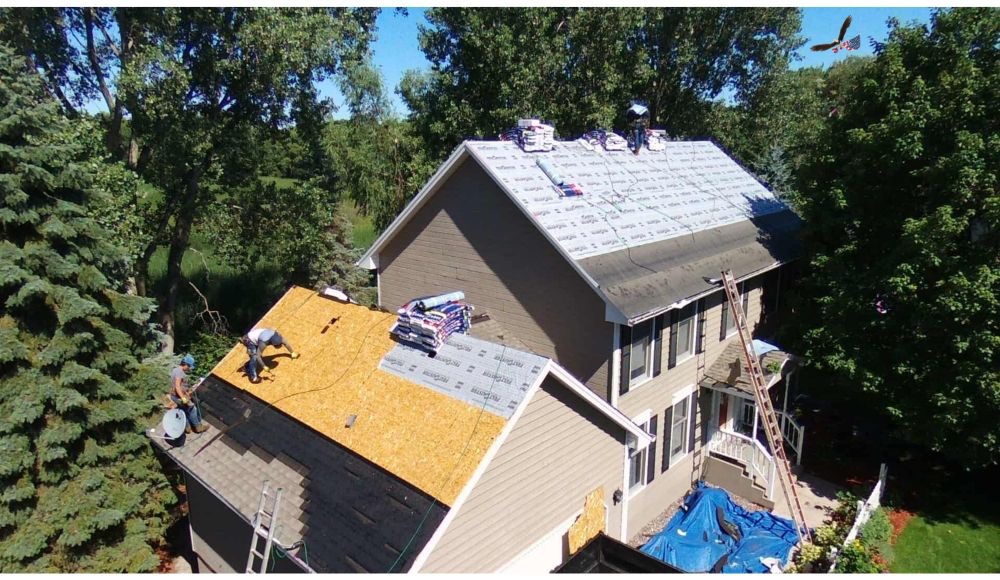
 Insurance is more than merely a requirement for contractors; it's a vital way to protect themselves against financial risk. Heavy machinery, dangerous job-site conditions, subcontractors, and constant communication with clients and the public are all part of construction projects. Even if a contractor has standard liability insurance, a single large claim can exceed those limits and put the contractor's business at risk.
That's when umbrella and excess insurance policies come in handy. These policies are often talked about together, but they have different purposes and can give you extra protection if your claims go over the limits of your primary coverage.
Purpose of Excess Policies
Excess insurance policies increase the coverage limits of an underlying policy, usually a general liability policy. When a claim exceeds the main policy limit, the excess policy kicks in to provide extra coverage up to its own limit.
For instance, consider a contractor with a general liability policy that limits coverage to $1 million. The main policy would cover the first $1 million in damages if an accident on the job site caused $1.5 million in damages. If the limit is high enough, an excess policy would cover the other $500,000.
The most important thing about excess coverage is that it follows the same rules as the main policy. It doesn't add new protections or expand coverage; it just raises the financial limits. This is why contractors often buy excess policies even when they already have good primary coverage. These policies offer more protection against larger claims.
Contractors who work on large government projects or on jobs that require higher insurance limits under the contract can benefit from excess policies.
When Contractors Should Consider Umbrella Coverage
Umbrella insurance provides extra liability protection and serves as a broader safety net than excess insurance. Unlike the latter, which only kicks in with a single underlying policy, an umbrella policy can boost coverage across several liability policies. This includes general liability, commercial auto, and employer's liability, among others.
Moreover, umbrella policies can provide coverage for particular claims not included in the underlying policies and can increase coverage limits. This broader protection can be especially helpful for contractors facing complex liability risks.
For example, a contractor who frequently uses company vehicles, manages multiple teams, and works in busy areas might benefit from umbrella coverage. This is because it delivers broader protection against different types of liability.
Businesses with significant operations, those involved in public projects, or those that regularly interact with the public are more prone to expensive claims. Consequently, umbrella coverage is often recommended.
Integrating with Existing Policies
To be effective, excess and umbrella policies must be properly coordinated with a contractor’s existing insurance program. This usually involves reviewing the limits, exclusions, and coverage triggers of the underlying policies.
Before issuing an excess or umbrella policy, insurance companies often require minimum limits, known as underlying requirements. Contractors should also ensure their policy limits match their contractual obligations, especially when working with general contractors, developers, or municipalities that require greater liability coverage.
An experienced insurance broker can help contractors assess the risks they are taking and determine whether they need excess or umbrella coverage, or both. When set up correctly, these policies offer an important level of protection that helps contractors manage risk and keep their businesses financially safe.
We Can Help You Save on Construction Insurance
Do you have questions? Contact American Insuring Group for the best rates on construction insurance for contractors. As independent brokers, we shop the market to find you the best deal on quality insurance!
So, call us today at (610) 775-3848 or click here to start saving.