

Insurance Savings and News You Can Use
Join the Conversation!

Landlord Insurance for Vacant and Between-Tenant Rentals

Posted by David Ross on Sat, Oct 03, 2026

Call AIG for best landlord insurance in Philadelphia, Pittsburgh, Reading, Harrisburg, Erie, Allentown, York, and throughout Pennsylvania

A standard landlord insurance policy often reduces or suspends coverage once a rental property sits empty for a set number of consecutive days — commonly 30 or 60. To stay protected while a unit is vacant or between tenants, most landlords need a vacancy permit endorsement or a separate vacant property policy. Leaving that gap unaddressed is one of the most common and costly mistakes rental property owners make.

An empty rental feels lower-risk than an occupied one, but insurers see it the opposite way. Vacant buildings are more exposed to vandalism, theft, undetected water damage, and delayed discovery of problems because no one is there to notice a leak, a break-in, or a failing furnace. That is why the vacancy clause buried in most landlord policies can quietly leave an owner uninsured at the worst possible moment. With the U.S. rental vacancy rate at 7.3% in the first quarter of 2026, per U.S. Census Bureau data reported by the Federal Reserve, vacancy is a normal part of owning rentals — which makes understanding how your landlord insurance [https://www.aigltd.com/landlord-insurance] treats it essential.

Does Landlord Insurance Cover a Vacant Property?

A standard landlord policy generally does cover short, expected gaps between tenants, but coverage typically changes once a property has been vacant beyond the policy's stated vacancy period. After that point, many policies limit or exclude key perils — most notably vandalism, glass breakage, water damage, and theft.

This is the trap that catches many owners. The property is still insured "on paper," but the specific losses most likely to happen to an empty building are exactly the ones the vacancy clause carves out. A pipe bursts in a unit that has been empty for 45 days, and the claim is denied because the policy suspended water-damage coverage after 30 days of vacancy. Liability can shift as well: some policies also narrow the coverage that would respond if a trespasser or contractor is injured on a property left standing empty. The lesson is to read the vacancy provision in your own policy before a unit goes empty, not after a loss. Vacancy definitions and time limits vary widely between insurers and policy forms, so never assume yours matches a competitor's or a prior policy's terms.

How Long Can a Rental Sit Vacant Before Coverage Changes?

Most landlord and dwelling policies define a vacancy trigger of 30 or 60 consecutive days, after which certain coverages are reduced or suspended. The exact number, and which perils are affected, is written into your specific policy — there is no universal standard.

Because that window is shorter than many owners expect, a routine turnover can cross the line without anyone realizing it. Consider a Berks County landlord renovating a Reading duplex between tenants: if the work stretches past the policy's 30- or 60-day threshold, the property may quietly lose vandalism and water-damage protection right when the building is most exposed. The fix is usually straightforward — a vacancy permit endorsement extends coverage through a known vacancy, and a dedicated vacant property policy covers longer or repeated vacancies. Both are far cheaper than an uncovered loss. If you know a unit will be empty for an extended period, notify your broker before the vacancy begins so coverage can be arranged in advance.

What Is Vacant Property Insurance?

Vacant property insurance is a specialized policy designed to cover a building that is unoccupied and, in many cases, unfurnished — filling the exact gap a standard landlord policy leaves open during extended vacancies. It restores protection for perils like fire, vandalism, liability, and often water damage that the vacancy clause would otherwise limit.

These policies are built for real-world situations: a rental undergoing major renovation, a property waiting to be sold or leased, an inherited home sitting empty, or a unit between long-term tenants. Coverage can typically be written for a set term — three, six, or twelve months — and adjusted or canceled as the property's status changes, so an owner is not locked into a full-year policy for a two-month gap. Liability protection matters here too — an empty property still attracts trespassers and creates injury exposure, and vacant property policies can respond to those claims.

Disclosure is part of the equation as well: if a property is vacant and the insurer is not told, a later claim can be denied on the grounds that the vacancy was misrepresented, even under an otherwise valid policy. Being upfront about a unit's occupancy status is what keeps the coverage enforceable when you need it. Owners with multiple properties sometimes coordinate vacant coverage alongside their broader portfolio, including any commercial property insurance on larger buildings. Because forms and endorsements differ by insurer, an independent broker can help match the right solution to how long and why the property will be vacant.

Frequently Asked Questions

Why is a vacant rental considered higher risk? Empty buildings carry more risk because problems go unnoticed and unaddressed. There is no tenant to report a small roof leak before it becomes major water damage, to deter break-ins, or to notice a heating failure that leads to frozen pipes. Vacant properties also attract vandalism and squatters. Insurers price and restrict coverage accordingly, which is why the vacancy clause exists in standard landlord policies in the first place.

Does a vacancy clause apply if the unit is furnished but empty? It can, because most vacancy provisions turn on occupancy, not furnishings. A unit with furniture still in it may be considered "unoccupied" if no one is living there, and some policies distinguish between "vacant" and "unoccupied" with different rules for each. The definitions are policy-specific and easy to misread, so confirm exactly how your policy defines the terms before relying on continued coverage.

How do I keep coverage during a renovation between tenants? Tell your insurance broker before the renovation starts. Depending on the scope and timeline, the right tool may be a vacancy permit endorsement on your existing landlord policy, a builder's risk policy for the construction work, or a vacant property policy for a longer gap. Arranging this in advance avoids the coverage suspension that can otherwise take effect once the unit passes the policy's vacancy threshold.

Is vacant property insurance more expensive than standard landlord insurance? Vacant property coverage often costs more than a standard landlord policy because the underlying risk is higher, but the difference is minor compared with an uninsured loss on an empty building. Pricing depends on the property's condition, location, length of expected vacancy, and coverage limits. An independent broker can compare markets to find competitive terms for the specific vacancy situation you are facing.

Protect Your Rental Between Tenants with the Right Coverage

Are you facing a vacancy, a renovation, or a gap between tenants? Contact American Insuring Group to make sure your rental stays protected when it matters most. As independent brokers, we shop the market to find competitively priced landlord and vacant property coverage matched to your situation.

Call American Insuring Group today at (610) 775-3848 or contact American Insuring Group online. Coverage terms vary by policy and state — let us help you close the gap before it costs you.


Tags: Landlord Insurance, Commercial Insurance, commercial property insurance

Reducing Commercial Insurance Premiums

Posted by David Ross on Sat, Feb 21, 2026

Contact us to reduce insurance cost in Philadelphia, Pittsburgh, Erie, Harrisburg, Reading, Lancaster, and throughout PA

Although insurance is a required expense for most individuals, landlords, and businesses, that doesn’t mean they must pay more for it than necessary. Too many policyholders are overpaying for their premiums simply because they haven’t reviewed their coverage, updated their risk profile, or explored cost-saving opportunities.

Whether it’s home, auto, health, or business insurance, anyone can take steps to lower premiums without sacrificing essential protection. However, it’s important to first understand how insurers assess risk and price policies, so that you can make informed decisions that reduce costs while maintaining comprehensive coverage.

Ways to Reduce Costs

Changing your deductible is one of the easiest ways to lower your insurance costs. Choosing a higher deductible usually means that your monthly or yearly payments will be lower. However, be aware that this also means you'll have to pay more out of your own pocket if you make a claim, but if claims are rare, it can save you a lot of money in the long run.

Another common strategy is to combine policies. When you combine home and auto insurance or have more than one policy with the same company, many insurers will give you a discount. Over time, you can also get loyalty discounts, safe-driver discounts, and claims-free discounts

Your premiums may also change if you improve your credits core. Studies show a link between credit history and claim frequency, so insurers often use credit-based insurance scores to help set rates. Paying bills on time and paying off debt may help you save money.

Lastly, ask about any deals. You can save significantly on your insurance by making small changes, like installing security systems and smoke detectors, or taking defensive driving classes.

Insurance Reviews

To avoid overpaying, you should review your insurance policies regularly. Changes in your life, like moving to a more secure neighborhood, driving fewer miles, adding safety features, or moving to a smaller home, can all change your risk profile. You might be paying old rates if your insurance company doesn't know about these changes.

When you review your insurance every year, you can compare quotes from other companies, look at your coverage limits again, and get rid of extras that you don't need. This is also a good time to make sure you have enough insurance, since not having enough can make it hard to pay for a claim.

An independent  insurance agent or broker, such as AIG, can help you find better rates by giving you access to multiple carriers and helping you find the right coverage for your needs.

Risk Mitigation Approaches

Insurance providers reward policyholders who actively reduce risk. They can lower premiums immediately by installing monitored alarm systems, fire suppression equipment, or advanced vehicle safety features.Businesses that implement workplace safety programs, employee training, andregular equipment maintenance reduce the chance of costly claims.

Maintaining your property and vehicles also plays a part. Roof inspections, plumbing updates, and routine car maintenance demonstrate diligent ownership and help reduce the risk of preventable incidents.

Ultimately, reducing insurance premiums isn’t about cutting coverage—it’s about becoming a lower-risk policyholder. By reviewing policies,improving safety measures, and taking advantage of discounts, you can keep more money in your pocket while staying well protected.

Protect Yourself with The Best Rates!

Are you looking for an excellent price on commercial, landlord, or individual insurance? Contact our team today! As independent brokers, we will shop the market to find you the best deal on quality insurance!

Call American Insuring Group today at (610) 775-3848 or contact us online to start saving.

Tags: Commercial Insurance, Business Insurance

Claims Process for Landlords

Posted by David Ross on Sat, Jan 24, 2026

Call us for Landlord Insurance in Philadelphia, Pittsburgh, Erie, Harrisburg, Allentown, Reading, Lancaster, and anywhere in PA

Filing a landlord insurance claim can feel overwhelming, especially when you’re managing tenants, maintenance issues, and the day-to-day responsibilities of owning rental property. However, understanding the claims process for landlords can make the experience far less stressful and help you recover faster after a loss. Whether the issue is property damage, loss of rental income, or liability claims, a straightforward, organized procedure assures fewer delays and better outcomes.

Steps in Filing a Claim

Taking care of any safety issues right away is the first step in filing a claim. Protect the property, stop any further damage if you can, and call emergency services if needed. As soon as you can, call your insurance company once the situation is under control. Most insurance companies have deadlines for filing claims, and waiting too long can make the process more difficult.

When you tell your insurance company about a claim, they will give you a claim number and, in most cases, a claims adjuster. The adjuster will review the details, inspect the property if necessary, and determine whether your policy covers the loss. Be ready to talk about what caused the damage, when it happened, and how it has affected the property or rental income.

After the evaluation, the insurance company will explain the following steps, such as how long it will take to receive payment, how long it will take to have repairs approved, and how to get more information.

Documentation Needed

One of the most important things for a successful landlord insurance claim is having accurate records. Before you start fixing anything, take clear pictures and videos of all the damage. Use wide shots to show the whole picture and close-ups to show the details.

You will also need written records like these:

  • Police reports or incident reports (if applicable)
  • Estimates or invoices from licensed contractors for repairs
  • Records showing that the property was well cared for
  • Lease agreements to back up loss-of-rent claims

Keep a record of all your conversations with tenants, contractors, and the insurance company. Organized records reduce the likelihood of disagreements and speed up the approval of claims.

Streamlining Claims

Landlords can streamline the claims process by being proactive. Review your insurance policy yearly so you comprehend coverage limits, deductibles, and exclusions before a claim ever occurs. Using digital tools to store photos, receipts, and upkeep logs can save valuable time when documentation is necessary quickly.

Working with reputable contractors who provide comprehensive estimates and timelines also helps insurers process claims faster. Finally, preserving open and prompt communication with your claims adjuster reduces misunderstandings and keeps the process moving forward.

By gaining insight into the claims process and preparing in advance, landlords can reduce inactivity, protect their investment, and return their rental property to normal operations as efficiently as possible.

Protect Yourself with Affordable Landlord Insurance

Are you looking for an excellent price on landlord insurance? Contact our team today! As independent brokers, we will shop the market to find you the best deal on quality landlord insurance!

Call American Insuring Group today at (610) 775-3848 or contact us online to start saving.

Tags: Landlord Insurance, Commercial Insurance, Business Insurance

Surety Bonds in Construction

Posted by David Ross on Sat, May 10, 2025

2505-surety-bonds-in-construction-1000

A surety bond in construction is an agreement among three parties: a principal (the contractor), a surety (the insurance company), and an obligee (the project owner). The surety guarantees the contractor’s performance of its contractual obligations by being a financial guarantor that ensures the project is completed on time and within budget. Surety bonds protect the project owner’s interests by providing a financial recourse if the contractor fails to follow through on its commitments.

It’s important to distinguish between surety bonds and contractor insurance. While surety bonds tend to guarantee performance, insurance typically covers losses or damages.

What are the Different Types of Surety Bonds?

Although there are many types of bonds, the four most common surety bonds used in the construction industry are:

  1. Bid bonds ensure that a contractor will honor their bid and provide the required performance and payment bonds if awarded the contract. If the contractor backs out, the surety compensates the owner for costs incurred in re-bidding.

  2. Performance bonds guarantee that the contractor will complete the project according to contract terms. If they default, the surety completes the work or compensates the owner.

  3. Payment bonds protect subcontractors, suppliers, and laborers by ensuring payment for their work and materials, preventing liens on the owner's property.

  4. Warranty or maintenance bonds guarantee that the contractor will correct defects in quality or materials discovered during a specified warranty period.

What is the Role of Surety Bonds in Project Bids?

Surety bonds play an essential role in project bids, particularly through bid bonds, which protect project owners and ensure the integrity of the bidding process. Below is an overview of their role:

  • Bid bonds ensure contractors are serious about their bids. Suppose a contractor is awarded the contract but fails to sign it or provide the required performance and payment bonds. In that case, the surety compensates the project owner for the difference between the awarded bid and the next lowest bid.
  • Bid bonds provide financial assurance that contractors have the resources to complete the project at the price quoted in their bid. This protection prevents frivolous or underfunded bids that could jeopardize project completion.
  • Sureties evaluate contractors' financial health, experience, and performance ability before issuing bid bonds. This pre-qualification process ensures only reliable contractors participate in bidding.
  • Project owners create a level playing field by requiring bid bonds, reducing the likelihood of low-ball bids and ensuring contractors are accountable for their proposals.

What is the Difference between Bonding and Insurance?

Bonding and insurance serve distinct purposes in construction and business operations despite offering financial protection. Here are the key differences:

  • A surety bond protects the project owner by guaranteeing that the contractor will fulfill their contractual obligations. In contrast, insurance protects contractors against accidents, property damage, or liability claims.

  • Surety bonds involve the contractor, project owner, and bond provider. Insurance is between the policyholder (contractor) and the insurance company.

  • If someone files a claim against a bond, the surety investigates and pays the obligee if valid. However, the principal must reimburse the surety for the claim amount, making it similar to a loan. When an insurance claim is approved, the insurance company pays for damages or losses without expecting reimbursement from the policyholder.

  • Failure to meet contractual obligations triggers a surety bond claim, but insurance claims arise from specific incidents like accidents, theft, or natural disasters causing damage or financial loss.

  • Bonds are specific to projects or guarantees, while insurance policies generally provide broader coverage for various risks across all operations.

Contact Us Today for More Information on Surety Bonds for Construction

Do you still have questions? Contact American Insuring Group for the best contractor and construction insurance rates. As independent brokers, we shop the market to find you the best deal on quality insurance!

So call us today at (610) 775-3848 or click here to start saving!

Tags: Construction Insurance, Contractor Insurance, Commercial Insurance, Business Insurance

General Liability Insurance for Contractors

Posted by David Ross on Sat, Oct 05, 2024

Contact us for contractor general liability insurance in Philadelphia, Pittsburgh, Erie, Lancaster, Lebanon, Allentown, Reading, Harrisburg, and throughout Pennsylvania.For contractors, safeguarding their business against unforeseen risks is a wise and critical decision. General liability insurance is a cornerstone of that protection, shielding contractors against many potential legal and financial pitfalls. From accidental property damage to unforeseen bodily injuries on the job site, liability insurance ensures that contractors can navigate their projects with confidence and security.

This article will explore the essentials of general liability insurance for contractors, discussing what it covers, common exclusions, and how contractors can add a layer of protection by bidding on their projects properly.

Coverage Scope

Here's an explanation of the scope of coverage for general liability insurance for contractors:

  • Bodily Injury: General liability insurance covers bodily injury claims to third parties on your job site or because of your business operations. For example, if a visitor to your construction site trips over equipment and gets injured, your policy would cover medical expenses, legal fees, and any settlements or judgments arising from the claim.

  • Property Damage: This coverage includes damage to someone else's property resulting from your work. If your construction activities accidentally damage a client's home or neighboring property, general liability insurance would cover the repair or replacement costs and any legal expenses in case of a lawsuit.

  • Personal and Advertising Injury: General liability insurance provides a broad range of protection, including coverage against various non-physical injuries, such as defamation, libel, slander, wrongful eviction, and false advertising.

  • Completed Operations: After a project is finished, issues stemming from your work could arise. For instance, if faulty wiring you installed causes a fire after the project completion, this coverage would handle the resulting property damage or injury claims.

  • Product Liability: Product liability insurance can cover the associated costs if your construction includes using specific products that result in damage or harm after job completion. For instance, if a structural component you provided fails and causes damage, this policy will address the claims.

Common Exclusions

While general liability insurance covers a broad range of risks, it does come with specific exclusions and limitations. Common exclusions include:

  • Professional Liability (Errors and Omissions): This would cover disputes arising from professional advice or services.

  • Employee Injuries: Typically, workers' compensation insurance covers these injuries.
  • Intentional Acts: Any damage or injury caused intentionally is not covered.
  • Automobile Liability: Businesses need separate commercial auto insurance for vehicle-related incidents.

Importance of Project Bidding

Project bidding is crucial since it ensures a clear definition of the scope of work and responsibilities, reducing ambiguities that could lead to disputes. It allows contractors to identify and manage risks, providing appropriate safety measures and insurance coverage are in place.

Detailed bids lead to comprehensive contracts with protective clauses, helping mitigate potential liabilities. Accurate bidding also aids in financial planning and demonstrates compliance with legal standards, building client trust and reducing the likelihood of claims. Effective bidding encourages transparency, risk management, and legal safeguards essential for minimizing liabilities.

Contact Us Today to Save on General Liability Insurance for Contractors

Still have questions? Contact American Insuring Group for the best rates on general liability insurance for contractors. As independent brokers, we shop the market to find you the best deal on quality insurance!

So call us today at (610) 775-3848 or click here to start saving!

Tags: Contractor Insurance, Commercial Insurance, Commercial General Liability Insurance

Legal Requirements for Worker's Compensation

Posted by David Ross on Sat, Sep 28, 2024

Contact us for Workers' Comp Insurance in Philadelphia, Pittsburgh, Erie, Lancaster, Allentown, Harrisburg, and throughout PA

The legal requirements for worker's compensation insurance can be confusing. Most businesses must take out these policies by law whenever they hire someone but there are differences between states, sectors, and companies. 

This post looks at state-specific requirements, penalties for non-compliance, and when you don’t need a policy. Here’s what you need to know: 

State-specific requirements 

States requiring coverage for all employees include California, New Jersey, Hawaii, Pennsylvania, and New York. These don’t consider the number of employees you have, so insurance applies immediately. 

Other states require businesses to carry worker’s compensation insurance when they reach an employee threshold number. For example, Florida, Georgia, Mississippi, Rhode Island, and South Carolina demand that employers get worker’s comp when they hire four or more employees. For Alabama, Arkansas, Louisiana, Tennessee, and Virginia, it’s three or more, and for North Carolina and Wisconsin, it’s two or more. 

Some states have industry-specific requirements for worker’s compensation insurance that depend on the sector in which you operate. For instance, Michigan and Tennessee require construction worker’s compensation insurance regardless of the number of employees. 

Penalties for non-compliance

The penalties for non-compliance with worker’s compensation insurance regulations also vary considerably by state. Most have fines in place, and some threaten jail time. 

For instance, in California, it is a criminal offense to fail to provide worker’s compensation insurance. The state punishes people with up to a year in jail and fines between $10,000 and $100,000. 

New York also takes a tough stance. The state considers breaking the rules a misdemeanor or felony, depending on the violation. Fines go from $1,000 to $50,000 plus an additional $2,000 for each day without coverage. 

Pennsylvania has some of the strictest rules in the union and considers non-compliance with worker’s comp to be a felony of the third degree. The state imposes fines of up to $15,000 and up to seven years in jail. 

Florida takes a slightly different tack. It institutes a Stop-Work Order on companies found to be non-compliant and requires businesses to cease operations until they pay a fine and put proper insurance in place. Fines are usually twice the amount the employer would have spent on premiums over the preceding two years.

Lastly, in Illinois, employers who willfully fail to provide worker’s compensation insurance according to the rules face fines of $500 daily for non-compliance, with minimum penalties of $10,000. Furthermore, officers at companies failing to arrange insurance for their employees can be held personally liable. 

Exemptions

Despite the tough penalties for worker’s comp non-compliance, many states have exceptions. These include: 

  • Sole proprietors and partners who don’t hire anyone and who aren’t official employees of the firm
  • Workers who do not meet the definitional requirements of “employees” in some states
  • Domestic workers and housekeepers without contracts or working undefined hours
  • Independent contractors who aren’t employees (in some states)
  • Businesses with less than the minimum employee threshold (as discussed)

Contact us For the Best Pricing on Worker's Compensation Insurance!

If you want guidance on the legal requirements for worker’s compensation insurance, contact our team. As independent brokers, we shop the market to find you the best deal on quality insurance!

So call us today at  (610) 775-3848 or contact us online to start saving.


Tags: Workers Compensation Insurance, Commercial Insurance, Business Insurance

Cost Factors of Landlord Insurance

Posted by David Ross on Sat, Sep 14, 2024

Contact us for the lowest cost on landlord insurance in Philadelphia, Pittsburgh, Erie, Lancaster, Allentown, Lebanon, Reading, and throughout Pennsylvania.

Landlord insurance is essential for anyone who rents out property. 

But how much does it cost? That’s the big question. 

Fortunately, this article provides answers. We explore how insurers calculate premiums and the factors that influence how much you will ultimately pay. By the end, you should understand what you can afford. 

Premium calculation

Premium calculations begin with a thorough property assessment. Insurers inspect structures to determine how much rebuilding will cost in case of serious damage or a fire. 

Next, they ask you the amount of coverage you need. Some landlords require more than others, so it is always a personal decision. If you go to an insurance broker, they will give you quotes from assorted carriers. You can use these to determine insurers offering the best risk-reward. 

During this process, insurance companies calculate the effect of deductibles (discussed below). Usually, you have a choice of how much you want to contribute to the cost of repairs (should they become necessary). 

The last step is to review the policy terms and decide if you are happy with them. If you are, sign on the dotted line. 

The average cost is around $1,895 annually. However, you may pay more, depending on your circumstances.

Influencing factors

Numerous behind-the-scenes actors determine the cost of landlord insurance (similar to other insurance policies), including: 

  • Property Location

Property location is one aspect that can affect insurance costs substantially. Areas prone to natural diseases (like flooding or wildfires) usually command a higher premium than those in safer regions. Other factors, like crime, can also play a role. 

  • Property Value

The value of the property can also affect the cost of landlord insurance. The costlier it is, the higher the premiums (similar to car insurance). 

Multi-family homes and larger developments are at risk of higher costs because of the valuation effect. However, insurers sometimes charge more for older properties if they believe they have a higher risk of damage or liability. 

  • Deductible

You can occasionally lower your monthly insurance premiums by raising your deductible. The more you are willing to contribute, the lower the perceived risk by the insurer. However, if you make a claim, you have to pay more. And that can increase overall costs. 

  • Coverage Amount

Coverage amount also affects landlord insurance premiums. The more protection you want, the higher the premium. 

For example, expect to pay extra for things like loss of rental income or liability coverage. 

  • Tenant Type 

Lastly, insurance premiums can sometimes vary by tenant type. Insurers often view renting to students and short-term renters as risky because they have reduced incentives to avoid property damage. 

By contrast, long-term renters (with professional qualifications) often have lower risk profiles. These individuals are less likely to cause damage, keeping costs down. 

Once insurers have these details, they can enter them into the actuarial tables and calculate the risk you pose. Then, they can use this information to calculate a suitable premium. 

Contact us to Save on Landlord Insurance

If you are looking for a great price on landlord insurance, contact our team today! As independent brokers, we shop the market to find you the best deal on quality insurance!

So call American Insuring Group today at  (610) 775-3848 or contact us online to start saving.


Tags: Landlord Insurance, Commercial Insurance, Business Insurance

Builder’s Risk Insurance: Are You Covered?

Posted by David Ross on Sat, Sep 07, 2024

Contact us for builders risk insurance in Philadelphia, Lancaster, Erie, Pittsburgh, Harrisburg, Allentown, Reading, and throughout PA.

Builder’s risk cover is a type of contractor insurance that applies during construction. It’s essential for builders wanting to avoid on-site losses. 

However, it can be confusing. Therefore, this post explores what builder’s risk insurance covers, how lenders package it, and the exclusions/limitations you can expect when taking out a policy. 

What it covers

Builder’s risk insurance covers various losses and damages that can occur on construction sites during projects. However, policies can vary significantly. Some are comprehensive (meaning they cover nearly all losses), while others are more specific. 

Items builder’s risk insurance can cover include: 

  • Theft
  • Property damage
  • Arson
  • Damage to materials in transit to the building site
  • Removal of debris
  • Backed-up sewers and drainage systems
  • Damage by hail or wind
  • Collapse risk

However, don’t take this list as gospel. Always check the policy wording to see if the insurer includes all the coverage you want. Sometimes, you can ask them for additional coverage in exchange for higher premiums. 

Project-specific coverage

Some builder’s risk insurance policies provide blanket protection throughout the year. These are helpful for contractors involved in numerous residential and commercial projects (i.e. 25 or more annually), reducing paperwork and streamlining applications. 

However, you can get a “single policy” for new construction and remodeling projects. These are helpful when you want builder’s risk insurance as a one-off and only want to cover a single site. 

Builder’s risk insurers will cover several project types, depending on your requirements. However, you must provide them with this information upfront.

Most contractors opt for builder’s risk insurance to cover new constructions. These can include home and apartment developments, condo buildings, and duplexes. It is also available on commercial projects. 

Another type, remodeling builder’s risk insurance, applies when changing a building’s function or structure. For example, you could get insurance if you add a mezzanine level to a living area or extend a building. 

Lastly, you can sometimes get installation-related builder’s risk insurance. Unlike a complete remodel, this covers single fixtures and fittings, like cabinets or awnings. 

Exclusions and limitations

Unfortunately, builder’s risk insurance won’t protect you against everything. As such, you may need to add other insurance products to your stack. 

Like most insurance offerings, builder’s risk insurance doesn’t protect against force majeure. It won’t pay out for acts of war, terrorism, or other government actions (like property confiscation). 

It also doesn’t cover contractor or employee injuries – one of the most common building site claims. For this, you will need workers' compensation and public liability insurance. 

Other exclusions can include: 

  • Extreme geological events, like earthquakes
  • Intentional acts of destruction
  • Damage due to preventable design flaws or plans
  • Vehicle damage 
  • Depreciation

Contact Us Today to Save on Builder's Risk Insurance!

Still confused? Contact American Insuring Group for the best rates on builder’s risk insurance. As independent brokers, we shop the market to find you the best deal on quality insurance! So call us today at (610) 775-3848 or click here to start saving. 

Tags: Builders Insurance, Commercial Insurance, Business Insurance, Builders Risk Insurance

Understanding Your Builders Risk Insurance End Date

Posted by David Ross on Sat, Aug 27, 2022

Knowing when your builders risk insurance ends can be a key to avoiding surprise costs. Get the best rates on all types of contractor insurance, including in Philadelphia, Pittsburgh, Erie, Allentown, Reading, Lancaster, Harrisburg and throughout Pennsylvania.There are many types of Contractors’ Insurance designed to protect your business from unforeseen circumstances. However, one type of insurance that is somewhat unique to the construction industry is Builders Risk Insurance. 

What is Builders Risk Insurance?

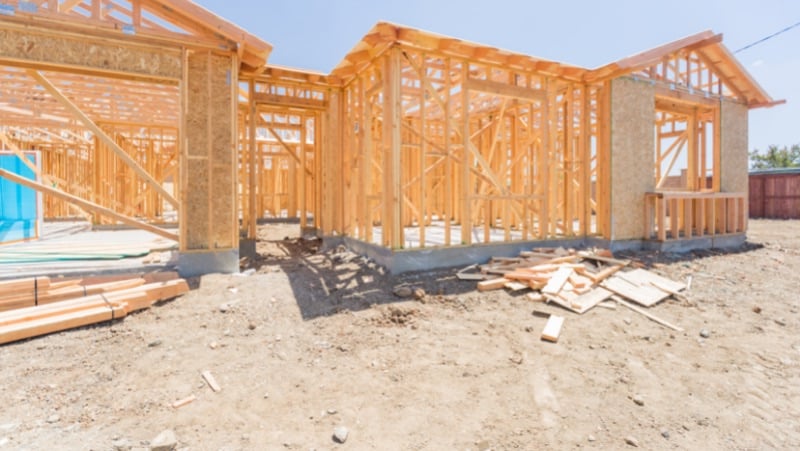
Builders’ Risk Insurance - also called Course of Construction Insurance or Inland Marine coverage – is a temporary insurance policy that helps protect a renovation or new building while under construction. It typically covers a building, structure, materials, tools, and equipment on a job site, in transit, or stored elsewhere during construction or renovation. 

The following perils are typically covered under a Builders’ Risk Insurance policy:

  • Theft
  • Vandalism
  • Fire
  • Explosion
  • Vehicle accident 
  • Weather events, such as hail or lightning

Some Builders’ Risk policies also include the following perils:

  • Costs incurred by delayed construction, such as lost rental income or loan interest
  • Removal and disposal of pollutants
  • Damage to temporary structures
  • Changes required to meet environmental standards 

The following perils are typically NOT covered under a Builders’ Risk policy:

  • Wind
  • Earthquake
  • Flood
  • Employee theft
  • Normal wear and tear
  • Mechanical breakdowns
  • Terrorism
  • Faulty work or materials
  • Contractual penalties 

When Does Builders Risk Insurance Coverage End?

Most insurance policies have an insurance policy period that includes an effective and expiration date. Simply stated, those dates indicate when coverage from that policy begins and ends. However, the end date of a Builders’ Risk Insurance policy can be a little more complicated. 

Because the value of a structure being built or renovated increases over time, Builders’ Risk insurance factors this changing value into its pricing. Due to this unique situation, there are times when an expiration date may change. 

  1. The owner of the property takes over

If an owner (such as the original property owner, bank, or purchaser) takes over the project (regardless of how complete the project is), the Builders’ Risk Insurance policy you purchased becomes invalid. 

  1. The Project Is Abandoned

If the contractor walks away from the site with no intention of completing the project, the Builders’ Risk Insurance policy becomes invalid. 

  1. The Property is Being Used for Intended Purpose

If all or part of the property is being used for its intended purpose during construction, the Builders’ Risk Insurance policy becomes invalid. 

  1. The Project has been Completed for 30 Days

Once an occupancy permit or other completion confirmation has been issued, the Builders’ Risk Insurance policy becomes invalid. 

Once the Builders’ Risk Insurance policy has expired, other types of insurance are available to protect the property, which are often less expensive. For example, property insurance can be purchased when the property is being used for its intended purpose or when the project has been completed for thirty days, which is typically less expensive than Builders’ Risk Insurance. On the other hand, if a property has been abandoned, there is more risk for damage such as decay, vandalism, break-ins, and arson. Therefore, insurance to cover the property will be higher than Builders’ Risk Insurance.

Need Help With Builders’ Risk Insurance?

If you have questions about Builders’ Risk Insurance or any type of Contractors Insurance, be sure to speak with one of the experienced agents at American Insuring Group.

Not only do we specialize in Contractors Insurance, but as independent agents, we also compare multiple insurance companies to ensure you pay the lowest premium for the coverage you need.

Call today at (800) 947-1270 or (610) 775-3848, or connect with us online.

Tags: Construction Insurance, Construction Risk Insurance, Contractor Insurance, Commercial Insurance, Business Insurance, Builders Risk Insurance

7 Common Mistakes Restaurants Make When Filing an Insurance Claim

Posted by David Ross on Sat, Aug 20, 2022

Properly filing a restaurant insurance claim can help you save on restaurant insurance in Philadelphia, Reading, Lancaster, Pittsburgh, Erie, Harrisburg, Allentown, PA and elsewhere.Savvy restaurant owners purchase Restaurant Insurance to help protect their business, but insurance policies and claims can be complicated. The experienced agents at American Insuring Group can help you navigate your insurance options, policies, and claims.

However, it’s helpful to understand and avoid the most common errors restaurant owners make when filing an insurance claim:

Not Understanding Your Policy

Your insurance policy states explicitly what “perils” it does and does not cover. It can be extremely frustrating to discover something you thought was covered isn’t when you go to make a claim (not to mention the time wasted making a claim while also trying to recover from the incident).

Therefore, you need to read and understand what your policy does and does not cover, so you can either fill the gap or have a plan in place if an uncovered event occurs. Ask your insurance agent to clarify anything you’re unsure of. 

You should also know your policy’s deductible – the amount you must pay before insurance kicks in on a claim. If you decide to increase your deductible to lower your premiums, make sure you have enough available cash to cover that deductible if you need to make a claim. 

Finally, it’s crucial to understand if your policy values damaged property according to an actual cash value (factors in depreciation and normal wear and tear) or the replacement value (does not factor in depreciation and normal wear and tear). If the damaged property is valued according to actual cash value, you need to be prepared to pay the difference out of pocket. 

Not Filing a Claim Promptly

If someone is injured in your restaurant or your oven is damaged by fire, call your insurance company immediately. Waiting to file the claim can make the process more difficult or even lead to having the claim denied. A good rule of thumb is to file a claim within the first 48 hours of an incident, but the sooner, the better.

Not Working with Insurer

Don’t think of your insurance adjuster as the enemy. Be professional, polite, and cooperative, and promptly provide whatever documentation they request. Failure to cooperate may provide grounds to deny a claim. However, don’t be afraid to ask questions or even appeal an estimate if you have reasonable proof that the lost property is undervalued. 

Not Documenting Damage and Claim

You will need proof of damage to receive a payout, so immediately record the time and date of the incident and take photos and/or videos of the damage. Also, document your communication with your insurer – keep a record of mailed correspondence and emails along with the time, date, and substance of verbal communications. 

Disposing of Damaged Items

You may think photos will be enough when filing a claim, but you should also keep the damaged property as physical evidence until the claim is closed. 

Admitting Fault

Never admit fault if someone is injured in your restaurant. There are too many frivolous lawsuits, and you may not honestly know the cause of an incident until it is investigated. In addition, accepting responsibility will make it difficult for your insurer to defend you if there is a lawsuit. Plus, some policies don’t allow you to assume fault without the insurer’s consent. With these policies, admitting fault can lead to a breach of contract, denial of a claim, or termination of coverage.

 Paying Claims Out of Pocket

You may be tempted to pay the medical costs of someone injured in your restaurant. However, your insurance policy will not reimburse you for payments made out of pocket and could even result in a denied claim. 

Want to Save on Restaurant Insurance Costs?

Work with one of the experienced independent agents at American Insuring Group. We can answer any of your questions, and – as independent agents – we compare pricing and coverage with multiple insurance companies to make sure that you pay the lowest premium for your insurance coverage!

Call us today at (800) 947-1270 or (610) 775-3848, or connect with us online.

Tags: Restaurant Insurance, Commercial Insurance, Business Insurance, Restaurant Insurance Costs