
Insurance Savings and News You Can Use
Join the Conversation!

Landlord Insurance for Vacant and Between-Tenant Rentals

Posted by David Ross on Sat, Oct 03, 2026

Call AIG for best landlord insurance in Philadelphia, Pittsburgh, Reading, Harrisburg, Erie, Allentown, York, and throughout Pennsylvania

A standard landlord insurance policy often reduces or suspends coverage once a rental property sits empty for a set number of consecutive days — commonly 30 or 60. To stay protected while a unit is vacant or between tenants, most landlords need a vacancy permit endorsement or a separate vacant property policy. Leaving that gap unaddressed is one of the most common and costly mistakes rental property owners make.

An empty rental feels lower-risk than an occupied one, but insurers see it the opposite way. Vacant buildings are more exposed to vandalism, theft, undetected water damage, and delayed discovery of problems because no one is there to notice a leak, a break-in, or a failing furnace. That is why the vacancy clause buried in most landlord policies can quietly leave an owner uninsured at the worst possible moment. With the U.S. rental vacancy rate at 7.3% in the first quarter of 2026, per U.S. Census Bureau data reported by the Federal Reserve, vacancy is a normal part of owning rentals — which makes understanding how your landlord insurance [https://www.aigltd.com/landlord-insurance] treats it essential.

Does Landlord Insurance Cover a Vacant Property?

A standard landlord policy generally does cover short, expected gaps between tenants, but coverage typically changes once a property has been vacant beyond the policy's stated vacancy period. After that point, many policies limit or exclude key perils — most notably vandalism, glass breakage, water damage, and theft.

This is the trap that catches many owners. The property is still insured "on paper," but the specific losses most likely to happen to an empty building are exactly the ones the vacancy clause carves out. A pipe bursts in a unit that has been empty for 45 days, and the claim is denied because the policy suspended water-damage coverage after 30 days of vacancy. Liability can shift as well: some policies also narrow the coverage that would respond if a trespasser or contractor is injured on a property left standing empty. The lesson is to read the vacancy provision in your own policy before a unit goes empty, not after a loss. Vacancy definitions and time limits vary widely between insurers and policy forms, so never assume yours matches a competitor's or a prior policy's terms.

How Long Can a Rental Sit Vacant Before Coverage Changes?

Most landlord and dwelling policies define a vacancy trigger of 30 or 60 consecutive days, after which certain coverages are reduced or suspended. The exact number, and which perils are affected, is written into your specific policy — there is no universal standard.

Because that window is shorter than many owners expect, a routine turnover can cross the line without anyone realizing it. Consider a Berks County landlord renovating a Reading duplex between tenants: if the work stretches past the policy's 30- or 60-day threshold, the property may quietly lose vandalism and water-damage protection right when the building is most exposed. The fix is usually straightforward — a vacancy permit endorsement extends coverage through a known vacancy, and a dedicated vacant property policy covers longer or repeated vacancies. Both are far cheaper than an uncovered loss. If you know a unit will be empty for an extended period, notify your broker before the vacancy begins so coverage can be arranged in advance.

What Is Vacant Property Insurance?

Vacant property insurance is a specialized policy designed to cover a building that is unoccupied and, in many cases, unfurnished — filling the exact gap a standard landlord policy leaves open during extended vacancies. It restores protection for perils like fire, vandalism, liability, and often water damage that the vacancy clause would otherwise limit.

These policies are built for real-world situations: a rental undergoing major renovation, a property waiting to be sold or leased, an inherited home sitting empty, or a unit between long-term tenants. Coverage can typically be written for a set term — three, six, or twelve months — and adjusted or canceled as the property's status changes, so an owner is not locked into a full-year policy for a two-month gap. Liability protection matters here too — an empty property still attracts trespassers and creates injury exposure, and vacant property policies can respond to those claims.

Disclosure is part of the equation as well: if a property is vacant and the insurer is not told, a later claim can be denied on the grounds that the vacancy was misrepresented, even under an otherwise valid policy. Being upfront about a unit's occupancy status is what keeps the coverage enforceable when you need it. Owners with multiple properties sometimes coordinate vacant coverage alongside their broader portfolio, including any commercial property insurance on larger buildings. Because forms and endorsements differ by insurer, an independent broker can help match the right solution to how long and why the property will be vacant.

Frequently Asked Questions

Why is a vacant rental considered higher risk? Empty buildings carry more risk because problems go unnoticed and unaddressed. There is no tenant to report a small roof leak before it becomes major water damage, to deter break-ins, or to notice a heating failure that leads to frozen pipes. Vacant properties also attract vandalism and squatters. Insurers price and restrict coverage accordingly, which is why the vacancy clause exists in standard landlord policies in the first place.

Does a vacancy clause apply if the unit is furnished but empty? It can, because most vacancy provisions turn on occupancy, not furnishings. A unit with furniture still in it may be considered "unoccupied" if no one is living there, and some policies distinguish between "vacant" and "unoccupied" with different rules for each. The definitions are policy-specific and easy to misread, so confirm exactly how your policy defines the terms before relying on continued coverage.

How do I keep coverage during a renovation between tenants? Tell your insurance broker before the renovation starts. Depending on the scope and timeline, the right tool may be a vacancy permit endorsement on your existing landlord policy, a builder's risk policy for the construction work, or a vacant property policy for a longer gap. Arranging this in advance avoids the coverage suspension that can otherwise take effect once the unit passes the policy's vacancy threshold.

Is vacant property insurance more expensive than standard landlord insurance? Vacant property coverage often costs more than a standard landlord policy because the underlying risk is higher, but the difference is minor compared with an uninsured loss on an empty building. Pricing depends on the property's condition, location, length of expected vacancy, and coverage limits. An independent broker can compare markets to find competitive terms for the specific vacancy situation you are facing.

Protect Your Rental Between Tenants with the Right Coverage

Are you facing a vacancy, a renovation, or a gap between tenants? Contact American Insuring Group to make sure your rental stays protected when it matters most. As independent brokers, we shop the market to find competitively priced landlord and vacant property coverage matched to your situation.

Call American Insuring Group today at (610) 775-3848 or contact American Insuring Group online. Coverage terms vary by policy and state — let us help you close the gap before it costs you.
Tags: Landlord Insurance, Commercial Insurance, commercial property insurance

11 Types of Commercial Insurance for SMBs

Posted by David Ross on Sat, Jan 08, 2022

Commercial Insurance for Small Business in Philadelphia and throughout PAOwning a small business can be an extremely rewarding experience, but it also comes with its share of risks that can impact the success of your business – employee injuries, fires, lawsuits, thefts, and the list goes on.
The good news is that there is insurance to help your business recover from just about any catastrophe. Unfortunately, research shows that many U.S. businesses are completely uninsured, and 75% of U.S. businesses are underinsured by 40% or more.

Whether you're opening a new business or have been in business for years, it's important that you understand the potential risks your business may face, what insurance policies are required (by law, contracts, landlords, etc.), how financially prepared you are in the event of an unexpected incident, and what types of commercial insurance are available to you. Only then can you make an educated decision about which insurance policies are right for your business.

11 Types of Commercial Insurance to Protect Your Business 

  1. Commercial General Liability (CGL) Insurance – CGL is relevant to any business and helps protect your business from financial loss that results in property damage, bodily injury, libel, slander, lawsuits, and settlements or judgments.

  2. Commercial Property Insurance – If your business has property or physical assets, property insurance helps protect them against loss or damage due to events such as fire, hail storms, civil disobedience, and vandalism.

  3. Workers' Compensation (WC) Insurance – In Pennsylvania (and most other states), WC is mandated for nearly every business with employees. If an employee is injured on the job, WC helps pay lost wages, disability payments, death benefits, and medical costs and helps protect your business against employee lawsuits.

  4. Business Owner's Policy (BOP) – BOP is relevant to most small business owners – especially home-based businesses. It combines all of the typical insurance coverage – General Liability, Commercial Property, and Business Income Insurance - into one, simplifying the process and often saving you money.

  5. Business Income Coverage/ Business Interruption – If you are forced to shut down your business after experiencing covered property damage (such as fires, storms, etc.), Business Income coverage can help replace lost income.

  6. Cyber Insurance -Small or medium-sized businesses are involved in 43% of all data breaches, and 61% of all small and medium-sized businesses report experiencing at least one cyber-attack in the previous year. Cyber Insurance helps cover your business' liability for data breaches that involve sensitive customer information, such as credit card numbers, driver's license numbers, and health records.

  7. Commercial Vehicle Insurance – If you use a vehicle for any business – such as delivering food or transporting products – Commercial Vehicle Insurance helps cover bodily injury or property damage claims if the vehicle is involved in an accident.

  8. Product Liability Insurance – If your business manufactures, wholesales, distributes, or retails a product, Product Liability Insurance can protect you against financial loss resulting in malpractice, errors, and negligence.

  9. Gap Insurance – Often overlooked, Gap Insurance helps cover the cost difference to pay off a lease balance when the vehicle's value is less than the leasing company's payoff in a total loss accident.

  10. Commercial Umbrella Insurance – Insurance liability policies include a limit (the maximum amount an insurer will pay if a claim is filed). Commercial Umbrella Insurance helps cover the difference if a claim exceeds a policy's limit.

  11. Professional Liability/Indemnity Insurance (Aka Errors and Omissions Insurance)– If your business is sued due to a mistake made in a professional service your company provides, Professional Liability helps cover legal costs.

There are also insurance policies specific to unique risks in certain industries, such as Liquor Liability Insurance for restaurants and bars that serve alcohol, Builders Risk Insurance for contractors, and Bobtail Insurance for truckers.

We Offer The Best Insurance For Your Business

Every business is unique, which is why working with an experienced independent insurance agent is the key to obtaining the right insurance for your business.

So give one of the professional agents at American Insuring Group a call today at (800) 947-1270 or (610) 775-3848, or connect with us online.  

As independent agents, we will also compare the cost of your coverage with multiple insurance companies to ensure you pay the lowest price for the right coverage.

Tags: Commercial Liability Insurance, commercial vehicle insuarance, Commercial Insurance, commercial property insurance

Could an Installation Floater Help You Save on Contractors Insurance?

Posted by David Ross on Sat, Jan 23, 2021

Save on Contractor's Insurance in Philadelphia, Lancaster, Reading, Pittsburgh, State College, and throughout Pennsylvania - Call us today.Contractors face many perils in the course of a job, and Contractors Insurance is crucial to protecting their equipment, materials, supplies, etc., against those perils. Commercial Property Insurance is one type of coverage most contractors purchase, but it is typically limited to losses that occur on the job site. 
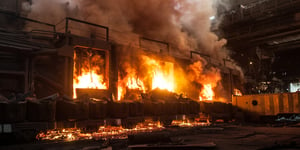
Commercial Property Insurance usually provides little or no coverage for materials, equipment, machinery, or supplies in transit or storage. Builders Risk Policies – such as Installation Floater coverage – can fill that gap. 

What is Installation Floater Insurance?

The International Risk Management Institute defines Installation Floater coverage as “inland marine coverage on property (usually equipment) being installed by a contractor. Essentially a specialized type of builders risk coverage that is often written on the same form used to provide builders risk coverage.” 

It is designed to cover property that is being installed or awaiting installation. Every floater is different and is based on the needs of the contractor. Typically, an Installation Floater covers materials, equipment, machinery, supplies, and personal property while it is…

  • Stored off-site
  • In transit
  • Being staged
  • Being installed 

Installation Floaters typically cover new construction and remodeling projects and can be written as a single project policy or a blanket policy. Anyone with an insurable interest in a project can purchase this type of insurance. 

Installation Floaters typically cover most risks – fire, theft, traffic accidents, vandalism, etc. – but may exclude perils, such as earthquakes, floods, sewer backups, employee theft, etc. 

What Makes Installation Floaters Different?

Installation Floaters offer tailored protection that can cost less than typical Builders Risk Insurance, making it ideal for some contractors. 

For example, sometimes, standard Builders Risk Insurance does not extend to subcontractors; therefore, Installation Floaters can be beneficial to contractors or subcontractors with a limited scope of work on a project. 

Installation Floaters may also be beneficial to contractors that perform work that is typically excluded from Builders Risk Insurance. The installation of high-value equipment or materials, such as HVAC units, solar panels, windows, doors, roofing, and electrical systems is often excluded from Builders Risk Insurance. If it is included, the contractor is still responsible for deductibles. 

Like most Builders Risk Insurance policies, Installation Floaters typically exclude certain things:

  • Trees, shrubs, and plants
  • Property while it is in the air or on the water
  • Losses during testing
  • Some types of temporary structures, such as scaffolding or temporary fencing 

Having Installation Floater Insurance can provide an added layer of protection that fills any gaps in your Commercial Property and/or Builders Risk Insurance. Choosing which coverage – installation floater or builders’ risk – is right for you can be challenging. 

What is Best for Your Needs?

When determining which type of policy or policies are best for your needs, you need to consider the type of project and the coverage you need. Installation Floater Insurance is usually less expensive and offers narrower coverage, which can make it a good choice for smaller projects. 

The best way to determine the right insurance coverage for your business is to work with an experienced agent. American Insuring Group specializes in Contractors Insurance, and as independent agents, we check with multiple insurance companies to ensure you get the lowest cost. Give us a call at (800) 947-1270 or (610) 775-3848 or connect with us online.

Tags: Construction Insurance, Contractor Insurance, Business Insurance, commercial property insurance

Commercial Property Insurance vs. Commercial Liability Insurance

Posted by David Ross on Sun, Feb 23, 2020

Commercial  Property Insurance vs Commercial Liability Insurance - do you know the difference?Do you think that Commercial Property Insurance has you covered? Let’s go back to June 2019 for a moment.

Do you remember the fire and series of explosions at Philadelphia Energy Solutions? It released 5,239 pounds of deadly chemicals into the air and took more than 24 hours to extinguish. CNBC reported that it sent shock waves for miles and rained debris on nearby neighborhoods, and that “the blast was so powerful that a 38,000-pound barrel was launched 2,100 feet across the Schuylkill River, where it landed on the opposite bank.”

It was determined that the likely cause of the fire was a faulty pipe. Surprisingly, there were no serious injuries or fatalities. Five workers reported minor injuries, and experts do not believe there will be any health impact from the release of chemicals.

This is a prime example of why businesses need both Commercial Property Insurance and Business Liability Insurance. One covers your property, and one covers lawsuits.

In the Philadelphia Energy Solution incident, Commercial Property Insurance would help Philadelphia Energy repair or replace its refining complex. If the explosion was determined to be Philadelphia Energy’s fault, Business Liability Insurance would help cover any damage the explosion caused nearby neighbors or if the deadly chemicals were to have any negative effects on anyone.

According to the Insurance Journal, four out of ten businesses are likely to experience a property or general liability claim in the next ten years, and the average cost of a customer slip and fall claim is $20,000. Reputational harm claims cost an average of $50,000, and if a lawsuit is involved can average more than $75,000 for legal fees, settlements, and judgments. About 35% of all general liability claims result in a lawsuit.

What is Commercial Property Insurance?

Commercial Property Insurance helps repair or replace your physical assets, such as the building, furniture, computers, inventory, etc. if they are damaged by fire, hail, lightning, windstorms, vandalism, and explosions.  Typically, earthquakes and floods are not covered unless they are added to your policy.

The cost of Commercial Property Insurance is determined by the value of your assets, your location, the construction of your building, your industry, and how close the nearest fire hydrant and fire station are.

What is Business Liability Insurance?

There are many types of Business (Commercial) Liability Insurance that cover different liability risks. Business Liability Insurance protects your business from liability claims against your business by a third party, such as customers, suppliers, vendors, and employees.

Types of Liability Insurance

General Liability Insurance helps cover third-party lawsuits, like customers, suppliers, and vendors, but not your employees. It typically helps cover third-party personal injuries, property damage, and advertising injury. For example, if a customer were to be injured after slipping and falling at your business, they could file a lawsuit against you. General Liability Insurance would help cover the costs of that lawsuit.

Workers’ Compensation Insurance is required for most employers in Pennsylvania. It helps pay for medical costs and lost wages if an employee is injured on the job. It also reduces the risk of an employer being sued by an injured employee.

Professional Liability Insurance (A.k.a. Errors and Omissions Insurance) helps protect businesses against negligence and other claims made against them.

Product Liability Insurance helps cover lawsuits filed due to damages caused by a business’s products.

An experienced insurance agent can help you determine the types of business liability insurance that is right for your business.

Here's How to Save on Commercial Property Insurance and Business Liability Insurance

Here are two ways to save on the cost of Commercial Property and Business Liability Insurance:

  • Bundle the two policies into a Business Owners Policy.
  • Work with an independent agent, like the agents at American Insuring Company, who can compare the cost of your coverage with several different companies.

Want to learn more about lowering your Commercial Insurance Costs? Give one of our independent agents a call today at (800) 947-1270 or (610) 775-3848 or connect with us online.

Tags: Professional Liability Insurance, Commercial Insurance, Business Insurance, commercial property insurance, Product Liability Insurance, Commercial General Liability Insurance

Top 3 Construction Business Risks and How to Minimize Them

Posted by David Ross on Sun, Jan 19, 2020

Construction Worker on RoofEvery business comes with its share of risk, and a contracting business is no different. If anything, contractors face more than the average risk. Fortunately, there are things you can do to minimize or even eliminate many of those risks. Plus, Contractors Insurance acts as a safety net when, despite your best efforts, something does go wrong.

Your first step is to identify potential risks, so here are three of the top risks that contractors need to be aware of and tips to minimize those risks:

  1. Injuries

Construction worksites are full of potential hazards, making construction one of the most dangerous occupations. According to the Occupational Safety and Health Administration (OSHA), approximately 20% of private-industry worker fatalities are in construction.

However, it isn’t just workers who pose a risk. Non-employees, such as vendors and clients, are often unfamiliar with safety rules, and can also be injured on construction worksites.

Minimize Risk of Injury

OSHA has identified the four biggest construction hazards – called the Fatal Four - as falls, electrocution, caught-in, and struck-by. These four hazards were the leading causes of death in 90% of all construction fatalities.

To minimize the risk of injury, develop and enforce a safety program, and all employees should receive proper safety training.

  1. Equipment Damage or Loss

Tools and equipment are one of a contractor’s most vital assets. From something as small as a hammer to as big as a backhoe, you need them to get the job done. If a hammer is damaged, lost, or stolen, it can be quickly, easily, and fairly inexpensively replaced with a quick trip to Loews or Home Depot.

Unfortunately, the same can not be said for larger equipment such as excavators, bulldozers, tower cranes, dump trucks, etc. These items are just as vital to get jobs done but not as easy – or inexpensive to replace. If one of these items is damaged or stolen, it can put a serious crimp in your schedule… and your bottom line.

Minimize Risk of Theft

More than 11,000 pieces of heavy equipment were reported stolen in 2016, according to Construction Business Owner. Thankfully, there are things you can do to minimize the risk of theft, such as enforcing a theft-prevention policy, securing your job site with fencing, locking up all of your tools, and securing heavy equipment.

Minimize Risk of Damage

Employees should be well-trained in the proper use of heavy equipment and how to use them safely. It’s also essential that you take the time to read the equipment’s owner’s manual and adhere to factory recommendations. There should be a preventative maintenance program in place, and all equipment should be inspected before use – every time.

  1. Faulty Work

You can be held liable for construction defects in completed projects or those that are not up to code. And a client can seek reimbursement if you have not complied with local, state, and federal building regulations. This not only hurts your bottom line but can also harm your business’s reputation.

Minimize the Risk of Faulty Work

To minimize this risk, review the contract’s terms and policy coverage, implement a quality control program, and understand and comply with building codes and regulations.

Insurance: Your Safety Net

Sometimes, despite your best efforts, a piece of expensive equipment is damaged, or a smart thief gets through your anti-theft measures. Repairing or Replacing that equipment can cost your business tens of thousands of dollars. The right insurance can help cover those costs.

Commercial Property Insurance

Your commercial property policy typically covers tools and equipment that are lost or damaged. It may also cover your lost income if you are unable to continue work without the damaged equipment. However, Commercial Property Insurance typically does not cover equipment that is mobile, in a vehicle, or stored at a job site.

Builders’ Risk Insurance (Aka Inland Marine or Course of Construction coverage)

Builders’ Risk Insurance typically protects structures, materials, and equipment that are in transit, onsite, or in a temporary location. Some policies also cover additional costs such as lost sales if construction is delayed.

License and Permit Bond

A License and Permit Bond guarantees that a business will operate in accordance with local, state, and federal laws and regulations. If there is a mistake, this bond will cover damages your client claims.  However, unlike other insurance policies, you are responsible for paying back anything your provider pays for the claim.

Protect Yourself with the Right Contractors' Insurance

Save on Contractor InsuranceUnderstanding these three risks, minimizing them, and having the right insurance is vital for a healthy bottom line and the success of any contracting business.

Because the American Insuring Group specializes in contractors’ insurance, we can help you with all three. Plus, as independent agents, we can ensure that you get the best price by comparing quotes and coverages from multiple insurance companies. So don't delay. Give us a call at (800) 947-1270 or (610) 775-3848 or connect with us online.

Tags: Construction Insurance, Contractor Insurance, commercial property insurance, Contractor Safety Management, Builders Risk Insurance

4 Tips to Avoid Theft in Your Business

Posted by David Ross on Sun, Jan 05, 2020

secure_businessEvery business is at risk of a theft occurring. Fortunately, there are steps you can take to protect your assets, such as Commercial Property Insurance.  However, that should not be your first line of defense. Your first step should be to minimize the risk of a theft, with Commercial Property Insurance acting as your safety net if those steps aren’t enough.

According to Small Business Trends, nearly 9% of small businesses experienced a burglary or theft in 2016 with an average cost of $8,000 per incident. Burglary and theft can have a serious impact on your bottom line. Protect your assets by lowering your risk with these four tips:

Install a Security Systems

Security systems – alarms and cameras – have become very affordable, and the capabilities of the new technology are incredible. Today, it’s easy to keep an eye on both internal and external threats from your smartphone, PC, or tablet.

The more security you have, the better chance you have of avoiding problems. Often, the presence of a security system is enough to deter thieves and vandals.

Here are a few security measures to consider:

Closed-Circuit television cameras (CCTV) allow you to watch what is happening at your place of business in real-time, both during and after hours. Plus, they can capture images and record what is going on when you aren’t there. They’re a great way to protect your property, valuable items, and your employees. You can even keep an eye on employee productivity.

Place cameras in strategic locations, so you can identify faces of both customers and employees, and store the footage off-site.

Alarm Systems let you know when there is a disturbance at your doors, windows, or outside your place of business when you aren’t there.

Fire Alarms – You should install a smoke and heat detector that have both automated triggers and can be manually pulled.

Make Sure Everything is Secure

Strong locking systems should be installed everywhere. Valuables and cash should be locked up, with a safe being your best option. But remember, the best lock in the world isn’t going to keep someone out if you don’t lock the doors.

Often, businesses (and individuals) are victims of crimes of opportunity. Thieves will typically go where the pickings are the easiest, so they’ll look for unlocked doors or open windows. Make sure everything is locked up securely before leaving the building. This also applies to company vehicles and heavy equipment.

And make sure the keys to those locks are secure. The more people who have keys to your business, the greater risk there is of burglary, so limit the number of keys issued. Keep track of keys issued to employees or anyone else, and make sure employees leave their keys when they leave your company.

You may want to consider installing an access control system so that you can limit access to different people.

Hire Wisely

Safewise reported that 64% of all small businesses fall victim to employee theft. Before hiring anyone, run a thorough background check on them, especially if they will be handling cash or sensitive financial information. SCORE recommends being alert to key indicators of potential employee theft, such as suddenly working late all the time, drug and alcohol abuse, and evidence of compulsive gambling.

Other steps SCORE recommends to avoid employee theft include close supervision, the use of purchase orders, controlled cash receipts, informal audits, managing inventory, and providing a way for employees to report theft.

Purchase the Right Commercial Insurance

If, despite all your best efforts, burglary or theft does occur at your business, the right insurance can help provide reimbursement for loss or damage. If you want the right insurance at the best price, give American Insuring Group a call at (800) 947-1270 or (610) 775-3848 or connect with us online.

We will be happy to review your policy to ensure you receive the best coverage, AND we'll compare the cost of that coverage with offerings from other insurance companies to ensure you get the best price on solid insurance protection. Contact us today to learn more!

Tags: Small Business Insurance, Commercial Insurance, commercial property insurance

How Can Business Interruption Insurance Save Your Business?

Posted by David Ross on Sun, Dec 29, 2019

Business_Interruption_Insurance (2)Do you have Business Interruption coverage for your business? No? Let me ask you this… What would you do if there was a fire in your building, and you were forced to shut down while repairs were made?

If your business is shut down, you probably won’t have customers. If you don’t have customers, you probably won’t have any income to pay yourself or your employees. According to FEMA, nearly 40% of small businesses never reopen following a disaster.

That’s where Business Interruption Insurance can help.

What is Business Interruption Insurance?

Business Interruption Insurance (Aka Business Income) is typically an endorsement that can be added to most Commercial Property Insurance policies. It protects your business income that is a direct result of a loss, damage, or destruction of your property that is covered by your Commercial Property Insurance.

Additional Coverage to Consider

Extended Period of Indemnity

Some policies include a 30-day extension beyond the standard period of restoration; however, you may need more than the 30-day extension. Sometimes, it takes a while to get a business up and running following an extended closure. Therefore, you may want to consider buying an extended period of indemnity option endorsement, which increases that 30-day extension in multiples of 30, up to 720 days.

Extra Expense Coverage

If your property is damaged, you may incur additional expenses to keep your business running. Those expenses could include the cost of moving to a temporary site, leasing equipment, paying overtime, etc. Extra Expense coverage pays for expenses that are above and beyond your normal operating costs but are required to keep your business running after your property is damaged.

Service Interruption Coverage

One in four companies experience a power outage at least once a month, according to Bloom Energy, and it’s estimated to be costing the U.S. economy $150 billion annually.

If a utility company – such as electrical, gas, water, telephone, etc. – experiences damage to a property that is not on your premises but causes an interruption in your business operations, or an actual financial loss, Service Interruption Coverage may kick in.

Contingent Business Interruption (CBI)

CBI covers your business income loss that is a result of loss, damage, or destruction of properties owned by suppliers of goods and services that you need to run your business. The damage must be the type of damage that your Commercial Property Insurance policy covers.

Leader Property Endorsement

This endorsement helps protect your business if an off-premises facility within a certain distance of your property incurs property damage that affects your business. This endorsement is good for restaurants that rely on the customers coming from another venue, such as a casino, stadium, or amusement park.

Interruption by Civil or Military Authority

If a civil or military authority denies you access to your property, this type of policy may cover lost business sustained during the time you are denied access. This type of thing can happen during a hurricane, winter storm, flood, etc.


How to Save Big on Business Interruption Insurance

Sometimes it’s hard to think of every risk that your business may face, and insurance policy verbiage can be complicated. This is why an experienced insurance agent is vital if you want to understand your risks and options and protect your business.

The independent agents at American Insuring Group specialize in Commercial Insurance. They can not only ensure that you have the right coverage they can also ensure that you pay the lowest price for that coverage by shopping among many competing providers for you. Give us a call at (800) 947-1270 or (610) 775-3848 or connect with us online.


Tags: Restaurant Insurance, Commercial Insurance, commercial property insurance, Utility Service Interruption Insurance, Business Interruption Insurance

What You Need to Know About Restaurant Insurance

Posted by David Ross on Sun, Dec 22, 2019

save_restaurant_insuranceWhen it comes to Restaurant Insurance, there is no one-size-fits-all solution. Every restaurant has different assets that need to be protected, different risk factors, and different types of liability. And every restaurant owner has different levels of comfort when it comes to those risks and liabilities.

Restaurant Insurance can be very complicated if you aren’t familiar with the risks, your different insurance options, and typical exclusions. Here is some basic information about Restaurant Insurance to help ensure that you get the best insurance for your needs.

Insurance Coverage Your Restaurant May Need

With all the different types of insurance coverage available today, including some rather odd ones like chicken insurance and alien abduction insurance (we kid you not!), it’s best to start with the basics and add additional coverage IF you need it. Here are three basic types of coverage every restaurant owner should consider.

Commercial General Liability (CGL) Insurance

CGL protects your business from bodily injury, personal injury, or property damage caused by your restaurant or on your restaurant’s premises. For example, if someone is injured after falling on your property or becomes sick after eating your food, they can sue you. Commercial Liability Insurance will pay for your legal expenses such as attorney fees and judgments against your restaurant. 

It’s important to consider your risks and determine if your CGL policy will cover it or if it is an exclusion. For example, if you serve alcohol to a customer who then causes a car accident upon leaving your restaurant, you could be held liable for any damage or injury caused by the accident. Most CGL policies won’t cover you in that situation, but Liquor Liability Insurance will.

Property Insurance

Property Insurance protects many of your assets, such as your building and your equipment from fire, storm, or theft damage. It may also include Business Interruption Insurance that covers lost income if damage forces you to close your restaurant temporarily.

Workers’ Compensation Insurance

In Pennsylvania, if you have one or more employees – whether they are full- or part-time, you are probably required to carry WC Insurance for each of your employees. WC covers medical expenses and lost wages if your employee is injured on the job. It also protects you against lawsuits filed by an injured worker.

Those are the basic coverages, but depending on your situation, there may be other types of insurance to consider. For example, if you use a vehicle for business, you should have Commercial Auto Insurance for that vehicle, whether it is owned or leased or even if it belongs to an employee.

An insurance agent who specializes in Restaurant Insurance can help you identify any additional risks and determine the best way to cover those risks.

How is the Cost of Your Restaurant Insurance Determined?

Every restaurant is individually underwritten based on the circumstances of its establishment. You will be asked many questions when you apply for insurance, and insurance companies will do some of their own research before quoting you a price. Your costs will be based on how much risk or liability you restaurant poses, the value of what you need to protect, and the level of your coverage.

To determine your risk (how likely you are to make a claim), insurance companies will look at your loss history, years in business, hours of operation, whether or not you sell alcohol and if so, how much, activities within your restaurant, such as entertainment, ID checkers, etc.

To determine the value of what you need to protect, they will look at the size of your property, the volume of your sales and payroll, the type of property, etc.

The level of coverage will be based on several things, including lease requirements, lender requirements, and how comfortable you are with risk.

When you talk to your insurance agent, be open and honest about the operation of your restaurant. Otherwise, you might find yourself in a situation where you don’t have enough coverage or any coverage when you need it.

How to Save Big on Restaurant Insurance

Because American Insuring Group’s agents have experience in Restaurant Insurance, we can help identify risks that are typical for restaurants as well as risks unique to your establishment to ensure that you have the right coverage to protect your assets. As independent agents, we can check with several companies to ensure that you get the best price for that coverage.

Give us a call at (800) 947-1270 or (610) 775-3848 or connect with us online and let us show you how we can lower all your Commercial Insurance Costs!


Tags: Workers Compensation Insurance, Restaurant Insurance, PA Workers Compensation Insurance, Commercial Liability Insurance, commercial property insurance, Restaurant Insurance Costs

8 Business Insurance Tips to Avoid a Workplace Catastrophe

Posted by David Ross on Tue, Feb 28, 2017

Business Insurance for Natural Disasters and More in Philadelphia, Reading, Lancaster, Allentown, Harrisburg, York, Lebanon, Pittsburgh, Erie, PA and beyond.If your company has never been struck by catastrophe, consider yourself lucky! But that doesn’t mean that your luck will hold out forever. There’s always a flood, hurricane, explosion, earthquake, lightning, or terror attack waiting around the bend.

And you and your entire company must be ready for it. With wildfires destroying over ten-million acres last year and winter storms causing $3.5 billion in insured losses earlier this year, businesses cannot afford to assume that they will be exempt from a catastrophe that strikes without warning. Getting the right business insurance is an important first step, but there are many practical things you can do to be prepared and to lower the cost and impact of a disaster.

Consider the following as you prepare your organization for a disaster:

1. Prepare safety equipment, including:

  • Fire extinguishers
  • Fire-fighting equipment
  • Personal protective equipment that includes steel-toe and slip-resistant footwear, hardhats, eye protection, high visibility clothing, gloves, hearing protection, dust masks or respiratory protection
  • First-aid kits
  • Wireless communication equipment

2. Engineering controls

Escape paths, lockout tag-out controls, shut-off valves, guardrails, and exhaust ventilation that will minimize exposure to airborne hazards must be planned and inspected. Battery-powered emergency lighting, strategically placed, must be set up to go on immediately after you lose power.

3. Maintain emergency equipment

  • Check and test the emergency generator
  • Check fuel levels regularly on generators and fire pumps
  • Check all roof-mounted equipment to ensure that it’s securely connected
  • Check roof drains to make sure they are clear and able to handle heavy rains
  • Check the roof and make any repairs, no matter how minor

4. Provide training

Establish an emergency response team with participants from all parts of your organization. Then, conduct disaster management drills to ensure all members of the emergency response team and all other employees know their responsibilities. Conduct daily safety briefings that discuss hazards and controls. Identify and eliminate or control existing or potential dangers that you discover after any disaster. Job performance appraisals should be tied in with compliance on all employee training.

5. Secure your data

  • Copy your valuable papers and records, and put them in a safe place.
  • Make sure that back-ups of computer records are current and kept in a safe location off-site.
  • Confirm that any of your third-party vendors or cloud providers are also prepared for any natural or man-made disasters.

6. Work with your local government before a catastrophe hits

File a copy of your emergency response plan with local law enforcement officials, and provide them with new versions as you update them. Make sure that the local government’s emergency response team has contact information for your company. Give them updates whenever anyone on your team leaves the company or changes roles.

7. Patrol your facility during the emergency

As long as it’s safe to be there, your emergency response team should be patrolling the facility. The team should be concentrating on the following:

  • Make sure all equipment is functioning properly.
  • Repair any structural damage, if possible 
  • Correct any potential fire hazards 
  • Monitor the water pressure for your sprinkler heads.
  • Deploy sandbags if flooding seems imminent.

8. Emphasize workplace safety after the disaster

Once your business has resumed normal operations, it’s important to reinforce standard safety measures:

  • Ensure that your employees are using proper lifting techniques, and provide material handling equipment to keep manual lifting to a minimum.
  • Limit the amount of employee exposure to hazardous conditions. 
  • Minimize exposure to dangerous situations by rotating employees.
  • Make personal hygiene and sanitation your company’s priority, and give workers an area where they can clean up after each shift.

Get the Right Insurance Protection for Your Business - Contact Us to Learn More

Contact us for the right commercial insurance protection for natural disasters and other events.To learn more about preparing and protecting your business with the right types and amounts of commercial insurance, contact American Insuring Group online or call us at (800) 947-1270 or (610) 775-3848.

Tags: Commercial Insurance, Business Insurance, commercial property insurance, Disaster Recovery Plan

One or Both? Business Liability vs. Commercial Property Insurance

Posted by David Ross on Thu, Jul 07, 2016

Can you get away with business liability or commercial property insurance, or does you business need both? Contact American Insuring Group for all your business insurance needs in Philadelphia, Allentown, Reading, Lancaster, Harrisburg, Pittsburgh, Erie, PA and beyond.Experienced small-business owners know that it’s wise to expect the unexpected. Bad things often happen without warning.

Different insurance policies protect their businesses from surprises in different ways, and it’s important to understand the coverage that is included and the differences between the policies.

Comparing business liability and commercial property insurances is a good place to start! 

Business liability insurance protects you from lawsuits

Anything that your business is legally responsible for is called a liability. When you cause someone a loss, you are legally responsible for replacing the loss, usually with money. And that’s where lawsuits come into play. Business Liability Insurance helps you pay for the cost of lawsuits and other expenses for which you are legally responsible.

For example, let’s say you own a machine shop that mass produces parts for an automobile manufacturer, and one of your parts is recalled because it wasn’t made to specification. What happens now? You’re likely to be sued for your mistake or for negligence, which means you will need to hire lawyers and prepare yourself for the possibility of a lengthy trial. You could amass huge costs.

Since small businesses don't have that kind of money, they invest in business liability policies that offer insurance coverage that includes:

  • Attorney fees
  • Out-of-court settlements
  • Judgments from losing the lawsuit
  • Other court and legal fees

Business liability insurance also helps you deal with the responsibilities you have to the people who come into contact with your business:

  • Employees
  • Customers
  • Suppliers
  • Partners
  • Vendors

Types of commercial liability insurance

It's important for you to know that there are various kinds of business liability insurance that cover different types of lawsuits:

  • General Liability Insurance covers physical injuries, slander, libel, infringement, and property damage lawsuits when someone outside of your business sues you.
  • Workers’ Compensation Insurance covers lawsuits related to injuries and illnesses in the workplace.
  • Professional Liability Insurance, sometimes called Errors and Omissions Insurance, covers lawsuits related to your work. It typically pays for your legal expenses when a client claims your work was negligent.
  • Employment Practices Liability Insurance covers lawsuits arising from wrongful termination, discrimination, or unpaid benefits.

Commercial property insurance protects your company’s physical assets

When you buy commercial property insurance, assets like equipment, computers, supplies, inventory, offices, and other business property are insured against loss or damage. Your insurance will repair or replace property that was damaged by the specific events that are outlined in your policy, which can include:

  • Fire
  • Theft
  • Vandalism
  • Some weather-related damages
  • Explosions

For example, a fire does serious damage to a building that houses tens of thousands of dollars’ worth of your equipment. Much of the equipment is lost and the building itself needs major repairs. You will need to replace furniture and the cleanup costs will be substantial. 

A commercial property insurance policy will cover all of these expenses, and if you add Business Interruption Insurance coverage to the standard policy, you can cover the income you would lose if your business has to shut down when it suffers too much damage to operate normally.


Bottom Line: You need BOTH commercial property and business liability insurance policies!

Small businesses need both business liability and commercial property coverage, because they work together to make sure you have enough money to pay your bills when an incident or loss threatens your business. Either a lawsuit or property damage could wipe out your company’s savings, put you in debt, and require that any new revenue go toward legal bills or repair costs. Meanwhile, your business suffers.

Buy both types of coverage and save! 

The good news is that as a small-business owner, you might qualify for a lower rate if you purchase these two policies together. This insurance bundle, often called a Business Owner's Policy (BOP), offers this discount to qualifying small businesses.


Get help for all your business insurance needs right here

Business-Liability-vs-Commercial-Property-Insurance.jpgTo learn more about business liability and commercial property insurance from our independent agents, contact American Insuring Group online, or call us at (800) 947-1270 or (610) 775-3848.
As independent agents we're free to shop among lots of competing insurance carriers to find the best policy for your needs at the right price. Call or click today to get started!

Tags: Commercial Liability Insurance, Commercial Insurance, Business Insurance, commercial property insurance