

Insurance Savings and News You Can Use
Join the Conversation!

Subcontractor Insurance Requirements

Posted by David Ross on Tue, Dec 23, 2025

Contact us for subcontractor insurance in Philadelphia, Pittsburgh, Erie, Harrisburg, Reading, Allentown, Lancaster, and throughout PA

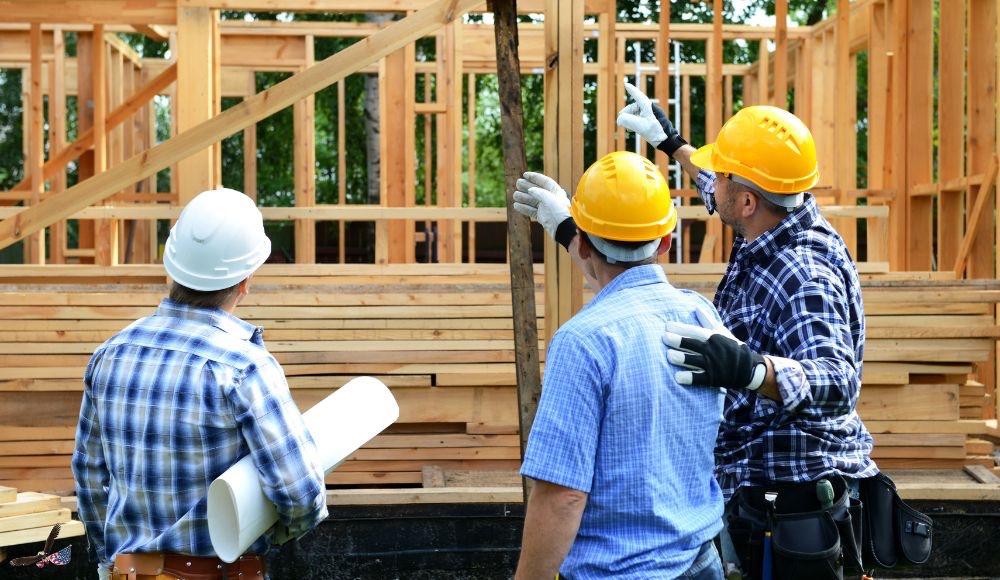
When general contractors hire subcontractors, they can speed up projects and offer more services. But these advantages also come with more risk. Suppose a subcontractor doesn't have the right contractor insurance, and something goes wrong, like an accident, injury, or damage to property. In that case, the contractor who hired them or the project owner may be responsible. Clear and enforceable insurance requirements keep everyone safe and ensure projects move forward without any legal or financial problems arising unexpectedly.

This article discusses the basic insurance needs of subcontractors, how to ensure they have sufficient coverage, and how these policies can affect overall liability.

Insurance Requirements for Subcontractors

Before any work begins, most contractors require their subcontractors to carry certain types of builders risk insurance. Requirements may differ depending on the industry, the size of the project, and the location, but the following policies are generally accepted:

  1. Insurance for General Liability

This insurance is the minimum amount of coverage you need to protect yourself from claims made by other people for bodily injury, property damage, or personal injury. It protects the contractor from being held liable for accidents on the job site caused by the subcontractor.

  1. Insurance for Workers' Compensation

Workers' compensation pays for medical bills, lost wages, and rehabilitation if a subcontractor's employee gets hurt on the job. If this coverage isn't in place, workers who are injured may be able to sue the general contractor or property owner.

  1. Business Auto Insurance

Commercial auto coverage protects subcontractors from liability for accidents that occur while they are driving vehicles to move materials, haul equipment, or travel to job sites.

  1. Insurance for Professional Liability

This insurance is also known as errors and omissions (E&O) insurance. It is essential coverage for subcontractors who provide design, engineering, consulting, or other professional services.

  1. Liability Insurance for Umbrellas or Extras

Contractors often require subcontractors to have additional liability coverage, such as umbrella coverage, for big contracts or projects that are extremely risky.

  1. Endorsements for Additional Insureds

Many contractors want their subcontractors to add them as extra insureds to their policies. If a claim arises from the subcontractor's work, this helps confirm that the hiring contractor is directly covered.

Verifying Coverage

Ensuring subcontractors have the right insurance is only adequate if coverage is verified correctly. Contractors should:

  • Request certificates of insurance (COIs) from any subcontractor before they begin work.
  • Confirm coverage limits meet or exceed contractual requirements.
  • Review policy endorsements, including additional insured and waiver-of-subrogation clauses.
  • Track expiration dates and require updated COIs for longer-term projects.
  • Use third-party compliance management tools when managing multiple subcontractors.

Impact on Liability

If insurance requirements are adequately enforced, they can significantly lower legal and financial risk. When subcontractors have the right insurance, it's easier to determine who is responsible for accidents, injuries, defects, or delays. This minimizes arguments, helps projects run more smoothly, and protects the general contractor's reputation and finances.

In the end, asking for and checking subcontractor insurance isn't just a formality; it's a smart way to ensure projects stay on track, on time, and within budget.

Ultimately, requiring and verifying subcontractor insurance isn't just a formality—it's a strategic safeguard that keeps projects compliant, efficient, and financially secure.

Let Us Help You Save on the Various Types of Construction Insurance

Do you have questions? Contact American Insuring Group for the best rates on construction insurance for contractors. As independent brokers, we shop the market to find you the best deal on quality insurance!

So, call us today at (610) 775-3848 or click here to start saving. 

Tags: Construction Insurance, Contractor Insurance

Construction Delays and Insurance

Posted by David Ross on Tue, Nov 18, 2025

See us for Construction Insurance for contractors in Philadelphia, Pittsburgh, Erie, Lancaster, Lebanon, Allentown, Reading and throughout Pennsylvania.

Delays are a common problem in construction. They can happen due to bad weather, insufficient workers, problems obtaining materials, or unexpected site conditions. Even your best-laid plans can go astray, so project managers work hard to stay on schedule.

Construction insurance may help everyone get back on their feet and lower their financial risk, no matter what the reason. It can make a big difference in how you handle delays and claims if you know what kinds of insurance will cover them.

Insurance Solutions for Delays

There are a number of contractor insurance policies that can help construction firms avoid the costs of delays. Builders Risk Insurance, Delay in Start-Up (DSU) or Advance Loss of Profit (ALOP) coverage, and Contractor's All Risk (CAR) policies are the most common.

  • Builders Risk Insurance covers damage to the project itself during construction, such as losses from fire, vandalism, or extreme weather. If a covered peril causes a delay, this policy can help fund repairs and keep the project moving.
  • DSU or ALOP insurance is particularly valuable for owners and developers. It compensates for lost income or additional financing costs when a covered physical loss delays the project's completion.
  • CAR Insurance combines protection for both property damage and third-party liability, offering broader coverage for complex builds involving multiple contractors.

There are various risks that each policy doesn't cover. For example, delays caused by bad project management or labor disputes might not be covered. This shows how important it is to carefully assess risks and use clear language in contracts before construction starts.

Coverage for Financial Losses

Construction delays can lead to cascading financial impacts—loan interest accrues, rental or sales revenue is postponed, and overhead costs continue to mount. Insurance helps absorb some of these losses, but only when properly structured.

Most of the time, DSU coverage reimburses lost income or extra costs incurred due to a delay after an insured event. Contractors whose ongoing work is affected by project delays may also be able to use Business Interruption Insurance. Owners should consult brokers and lawyers to ensure the policy terms align with the project's financial model. This step will ensure that the coverage limits and waiting periods are based on realistic risk scenarios.

Handling Project Timeline Disruptions

Everyone must act promptly whenever delays crop up. Everyone involved in the project should be documenting the causes, timeline, and financial consequences of the disruption. Immediate notification to insurers is critical—most policies require early reporting for claims to be valid. Maintaining transparent communication among contractors, owners, and insurers helps expedite investigations and claim approvals.

Beyond general contractor insurance, adopting proactive risk management strategies—such as scheduling buffers, diversified suppliers, and weather contingency planning—can reduce exposure to costly overruns. Together, robust planning and appropriate insurance form a safety net that keeps construction projects financially resilient, even when the unexpected happens.

Contact Us Today for More Information on Managing Risks in Construction Projects

Do you still have questions? Contact American Insuring Group for the best contractor and construction insurance rates. As independent brokers, we shop the market to find you the best deal on quality insurance!

So, call us today at (610) 775-3848 or click here to start saving!

Tags: Construction Insurance, Contractor Insurance

Claims Process in Construction Insurance

Posted by David Ross on Sat, Oct 11, 2025

2510-Claims-process-construction-insurance-

Construction sites are busy, high-risk environments where even the best-run projects can face accidents, weather damage, or third-party losses. When something goes wrong, knowing how to navigate the claims process under your contractor, construction, or builders policy helps keep your project on schedule and your budget intact. Below is a concise guide to help contractors, project owners, and risk managers move a claim from incident to indemnity as smoothly as possible.

Steps to File a Claim

Ensure Immediate Safety and Mitigation: Before starting the paperwork, secure the site to prevent any potential hazards. Shut down unsafe operations, cordon off the affected areas, and arrange for emergency repairs or temporary protection.

  1. Notify Your Broker and Insurer Right Away:
    Contact your insurance broker by phone or email as soon as the incident is under control. The broker will alert the carrier, start the loss notice, and explain any policy-specific procedures.

  2. Complete the Loss Notice Form:
    Provide the project name and address, date and time of loss, parties involved, detailed description of damage or injury, and an initial cost estimate.

  3. Meet the Adjuster On-Site:
    The insurer will assign an adjuster to inspect damage, verify scope, and confirm policy terms.

  4. Obtain Authorizations and Quotes:
    The adjuster may require at least two repair quotes or a schedule of values from trade contractors. For equipment losses, you may need depreciation tables or proof of replacement cost.

  5. Document All Costs During Restoration:
    Track labor hours, materials, rental equipment, and soft costs, including site security and professional fees.

  6. Review the Settlement Offer:
    Once the adjuster finalizes quantum, you’ll receive a proposed payout minus any deductible. Verify that mark-ups, overhead, and delay costs are included.

  7. Receive Payment and Close the File: Sign the proof of loss, complete any hold-harmless agreements, and the insurer will release funds, often via EFT.

Required Documentation

  • Incident Report: Supervisor’s narrative, witness statements, and safety logs
  • Photographs & Video: Time-stamped images of damage from multiple angles
  • Contract Documents: Drawings, specifications, change orders, and schedules
  • Invoices & Receipts: Labor, materials, equipment rentals, and professional services
  • Maintenance Records: Proof of inspections or preventive maintenance, if relevant
  • Correspondence: Emails or letters between contractors, consultants, and owners
  • Permits & Regulatory Reports: Any municipal notices or workplace safety filings

Meticulous record-keeping speeds claim approval and reduces the risk of underpayment or denial.

Timely Reporting Benefits

  • Preserves Coverage Rights: Most construction policies have strict notification periods—often 30 days for builder’s risk and as little as 72 hours for pollution incidents. Late reporting can void coverage.
  • Limits Loss Escalation: Early involvement of adjusters means faster authorization for critical repairs, reducing downtime and consequential damages.
  • Improves Cash Flow: The sooner you file, the sooner progress payments arrive, preventing strain on project financing.
  • Strengthens Relationships: Prompt, transparent communication fosters trust with insurers and demonstrates your commitment to risk management.

Follow a structured claims process, gather the necessary evidence, and act quickly. Construction professionals can convert a stressful incident into a recoverable event and keep their projects moving forward with minimal disruption.

Contact Us Today to Save on Construction Insurance

Do you have questions? Contact American Insuring Group for the best rates on construction insurance for contractors. As independent brokers, we shop the market to find you the best deal on quality insurance!

So, call us today at (610) 775-3848 or click here to start saving. 

Tags: Construction Insurance, Contractor Insurance

Owner Controlled Insurance Programs (OCIP)

Posted by David Ross on Fri, Sep 12, 2025

AIG2509-Owner-Controlled-Ins-Programs-1000

Large-scale construction projects are fraught with dangers, ranging from property damage and liability claims to worker injuries. Owner Controlled Insurance Programs (OCIPs) are becoming popular among owners to simplify insurance coverage. Contractors, subcontractors, and occasionally even design professionals are all covered by an OCIP, which is a single insurance policy that the project owner purchases. OCIPs decrease duplication, increase efficiency, and provide owners greater control over project risks by combining coverage under a single program.

OCIP vs. CCIP

While OCIPs are owner-led, there is a similar option called a Contractor Controlled Insurance Program (CCIP). The main distinction lies in who purchases and manages the policy. In a CCIP, the general contractor secures the insurance on behalf of all subcontractors. In an OCIP, the project owner assumes this role.

While centralizing coverage is the goal of both models, OCIPs offer owners greater oversight and transparency, which is especially desirable for large or complicated projects where liability exposure can be substantial.

Advantages for Project Owners

One of the primary advantages of OCIPs is consistency in coverage. Rather than relying on individual contractors' insurance policies—which may vary widely in quality, limits, and exclusions—owners can ensure that every party operates under the same policy. This reduces gaps in coverage and simplifies claims handling.

Additionally, OCIPs can enhance safety management. Owners often implement uniform safety standards and reporting requirements as part of the program. This consistency improves compliance, reduces accidents, and helps establish a culture of safety across the project site.

OCIPs also strengthen relationships between project participants. Since everyone is insured under the same program, disputes over liability and responsibility are less likely to escalate, fostering a more collaborative work environment.

Insurance Cost Management

Cost savings are another significant benefit of OCIPs. By bundling coverage into a single policy, owners can leverage their purchasing power to secure better rates than if each contractor purchased insurance individually. This eliminates the "hidden costs" of subcontractors passing their insurance premiums onto the owner through bids.

Predictability is another benefit of OCIPs. With a single program in place, owners can prevent unforeseen premium increases from subcontractors' carriers and have better insight into the overall cost of insurance. Additionally, claims administration under an OCIP is typically more effective, which can lower long-term costs by lowering settlement and litigation costs.

These savings can reach millions of dollars for large-scale projects, like high-rise developments, healthcare facilities, and infrastructure, making OCIPs a wise financial decision.

Conclusion

In addition to insurance, owner-controlled insurance programs give project owners financial efficiency, peace of mind, and reliable risk management. Owners have a more straightforward route to a successful project completion with OCIPs because they centralize coverage, align safety procedures, and lower hidden costs. They can be an essential tool for striking a balance between risk, expense, and teamwork in large, intricate builds.

Let Us Help You Save on Construction Insurance

Do you have questions? Contact American Insuring Group for the best rates on construction insurance for contractors. As independent brokers, we shop the market to find you the best deal on quality insurance!

So, call us today at (610) 775-3848 or click here to start saving. 

Tags: Construction Insurance, Contractor Insurance

Contractor Controlled Insurance Programs (CCIP)

Posted by David Ross on Tue, Aug 19, 2025

Contact us for contractor insurance in Philadelphia, Pittsburgh, Erie, Allentown, State College, Reading, and throughout PA

A Contractor Controlled Insurance Program (CCIP) is a centralized insurance system that the general contractor operates to provide uniform contractor insurance coverage for all project participants, including subcontractors. The consolidation of policies under one umbrella through CCIPs leads to simpler risk management, better safety oversight, and faster claims handling, which produces both cost reductions and improved project protection. The method has gained widespread adoption for large and complex construction projects because it ensures both effective coordination and uniform coverage.

Benefits of CCIP

The main advantage of CCIP is that it provides consistent coverage to all parties under the same terms and limits instead of managing multiple policies from different subcontractors. Better safety and risk management are additional advantages. The contractor has a stake in upholding stringent safety regulations, carrying out frequent site inspections, and offering training because they are the policyholder.

The proactive approach tends to reduce workplace incidents, which in turn reduces claims and maintains project timelines. A CCIP can also expedite the processing of claims. Claims are handled under a single program rather than coordinating with several insurers, which minimizes administrative lags and contractor liability disputes.

Control and Coverage Overview

The general contractor assumes all responsibilities for insurance provider selection and coverage determination, as well as site-wide compliance under a CCIP. Typical policies include:

  • General Liability: Protecting against third-party injury or property damage.
  • Workers' Compensation: Protects both employees and subcontractors who work at the job site.
  • Excess Liability/Umbrella Coverage: Providing higher coverage limits for large claims.
  • Builder's Risk (optional): Covering damage to the structure during construction. The contractor's control of the policy enables them to establish standardized safety and operational requirements, which minimize coverage gaps.

The CCIP insurance coverage applies only to work conducted at the designated project site because off-site work and materials suppliers need separate insurance.

Cost Implications

The financial benefits of CCIPs include reduced insurance expenses for large construction projects. The contractor achieves better insurance rates through bulk policy negotiations than subcontractors would obtain by buying individual coverage. The savings become substantial when projects involve numerous trades and extensive labor requirements.

Eliminating project-specific coverage through CCIPs enables subcontractors to decrease their insurance expenses. The absence of redundant insurance expenses in competitive bidding leads to more precise and affordable bids.

However, CCIPs are not without costs for the general contractor. Premiums are typically based on project size, duration, and risk profile, and the contractor assumes the responsibility for deductibles and any uncovered claims. Administration costs—such as safety program management and compliance tracking—must also be factored in.

Overall, when managed effectively, CCIPs can offer both cost efficiency and better project-wide protection, making them a strategic choice for complex or high-value construction projects.

Contact Us Today for More Information on Managing Risks in Construction Projects

Do you still have questions? Contact American Insuring Group for the best contractor and construction insurance rates. As independent brokers, we shop the market to find you the best deal on quality insurance!

So call us today at (610) 775-3848 or click here to start saving!

Tags: Construction Insurance, Contractor Insurance

Understanding Construction Insurance Premiums

Posted by David Ross on Sat, Jul 05, 2025

Contact us for construction insurance in Philadelphia, Erie, Pittsburgh, Allentown, Lancaster, and throughout PA.Construction insurance protects contractors, builders, and developers. The insurance system safeguards businesses from financial losses that occur when properties are damaged, third parties are hurt, or construction projects face delays. Your financial performance will experience a substantial impact from understanding premium cost factors and implementing effective management strategies, as premiums show significant differences between insurers.

Factors Affecting Premiums

Several key factors influence how much you’ll pay for construction insurance. First, the type and scope of the project matter significantly. High-rise buildings, complex infrastructure projects, or those involving hazardous materials carry higher risks, leading to higher premiums.

Next, the location plays a role. Areas prone to extreme weather, high crime, or seismic activity typically result in more expensive insurance due to increased risk.

The company’s claims history is another critical factor. A contractor with frequent or high-value claims will be seen as higher risk and may face increased rates. Similarly, your experience and safety record are taken into account. Insurers often reward companies with proven safety programs and fewer incidents.

Finally, the coverage limits and deductibles you choose directly impact the premium. Higher coverage limits provide more protection but come at a higher cost. Opting for higher deductibles can lower your premium but means paying more out-of-pocket if a claim arises.

Ways to Lower Premiums

Implementing specific methods allows you to decrease construction insurance premiums while maintaining full coverage.

  • A well-established safety program is the most effective method for reducing premiums. Insurance companies provide rate reductions or favorable premiums to businesses that actively manage their risks through safety training, equipment maintenance, and occupational health standard compliance.

  • The practice of bundling different insurance policies represents another available option. Insurers provide discounts to clients who purchase general liability insurance together with commercial auto insurance and builder’s risk coverage as part of their package deals. The combination of policy bundling reduces administrative expenses, which enables premium discount opportunities.

  • You should evaluate the possibility of raising your deductible amount. Increasing your deductible amount results in higher financial responsibility during claims but yields lower initial premium costs. Established companies with strong cash flow and low claim history can benefit from this approach. A company that maintains a spotless claims history throughout multiple years will qualify for reduced insurance premiums.

  • Insurers provide loyalty and no-claim discounts to their long-term clients who maintain minimal claim activity.

Comparing Different Providers

The process of shopping around for insurance rates leads to the best possible rate because different insurance providers offer distinct coverage terms, rates, and flexibility options. When evaluating insurance providers, you should consider both price and coverage scope, as well as claim support, industry experience, and customization flexibility.

A broker who specializes in construction insurance will be beneficial to work with. The broker will analyze various insurance policies from multiple carriers to create a customized package that suits your requirements. Insurers who demonstrate a thorough understanding of the construction industry should provide transparent communication, quick claims handling, and practical risk management assistance.

Final Thoughts

Construction insurance serves as an essential business investment beyond its status as a regulatory requirement. You can obtain suitable coverage at a competitive price by understanding premium factors, taking risk reduction measures, and conducting thorough comparisons of providers to protect your business and boost long-term profitability.

Contact Us Today for More Information on Managing Risks in Construction Projects

Do you still have questions? Contact American Insuring Group for the best contractor and construction insurance rates. As independent brokers, we shop the market to find you the best deal on quality insurance!

So call us today at (610) 775-3848 or click here to start saving!

Tags: Construction Insurance, Contractor Insurance

Risk Management in Construction Projects

Posted by David Ross on Sat, Jun 07, 2025

Get the best construction and contractor insurance in Philadelphia, Pittsburgh, Allentown, Erie, Reading, and throughout PA.

Managing risks in construction projects is a structured, systematic process for identifying, assessing, and avoiding risks that negatively affect a project's successful completion. Construction projects are inherently complex, involving numerous stakeholders, intricate logistics, and ever-changing environments, making risk management essential to the project's success.

Identifying Potential Risks

The process begins with identifying all potential risks that could affect the project. These risks can be internal (design errors, labor shortages, or equipment failures) or external (weather events, regulatory changes, or supply chain disruptions). Techniques for risk identification include stakeholder consultations, reviewing past project data, site assessments, brainstorming sessions, and creating risk registers.

After identifying the risks, companies analyze each one to determine its likelihood of occurrence and potential impact on the project's objectives, such as cost, time, safety, and quality. This assessment helps prioritize risks, focusing resources on those with the highest potential to disrupt the project.

Mitigation Strategies in Construction Projects

Organizations develop strategies to address each risk. These may include:

  • Risk Avoidance: Change the project's plans or scope to eliminate specific risks or decline projects with unacceptable risk levels.

  • Risk Transfer: Shift the risk to another party, such as through insurance policies, subcontracting, or contract clauses that allocate risk to those best equipped to manage it.

  • Risk Control (Mitigation): Implement measures to reduce the likelihood or impact of risks. Examples include:
    • Quality assurance and control procedures
    • Regular safety training for staff
    • Updating safety protocols
    • Securing additional resources or adjusting project timelines

  • Risk Acceptance: Acknowledge that some risks are unavoidable and prepare contingency plans or allocate reserves to manage potential impacts if they occur.

  • Contingency Planning: Develop backup plans and set aside contingency budgets to respond quickly to unforeseen events or changing conditions.

  • Regular Monitoring and Reporting: Continuously monitor risks throughout the project lifecycle, update risk assessments, and keep stakeholders informed to ensure coordinated responses.

  • Use Technology and Data Analytics: Project and risk management software offer real-time risk tracking, automated reporting, and predictive analytics based on historical data.

  • Comprehensive Risk Assessment: Conduct risk assessments early and throughout the project to identify, categorize, and prioritize them based on their likelihood and potential impact.

Companies combine these strategies and tailor them to the specifics of each construction project.

Insurance as a Risk Transfer Tool

Construction projects rely on insurance as their main risk transfer tool. Project participants pay premiums to transfer their potential losses and liabilities to an insurance company instead of shouldering the complete financial risk.

When a risk is insured, the financial consequences of certain events (such as property damage, injuries, or third-party claims) are transferred from the insured party (e.g., contractor, owner) to the insurer. For example, a subcontractor's commercial general liability policy would cover property damage costs, so the financial burden shifts from the subcontractor to their insurance carrier.

Contact Us Today for the Best Construction Insurance Rates

Do you still have questions? Contact American Insuring Group for the best contractor and construction insurance rates. As independent brokers, we shop the market to find you the best deal on quality insurance!

So call us today at (610) 775-3848 or click here to start saving!

Tags: Construction Insurance, Contractor Insurance

Surety Bonds in Construction

Posted by David Ross on Sat, May 10, 2025

2505-surety-bonds-in-construction-1000

A surety bond in construction is an agreement among three parties: a principal (the contractor), a surety (the insurance company), and an obligee (the project owner). The surety guarantees the contractor’s performance of its contractual obligations by being a financial guarantor that ensures the project is completed on time and within budget. Surety bonds protect the project owner’s interests by providing a financial recourse if the contractor fails to follow through on its commitments.

It’s important to distinguish between surety bonds and contractor insurance. While surety bonds tend to guarantee performance, insurance typically covers losses or damages.

What are the Different Types of Surety Bonds?

Although there are many types of bonds, the four most common surety bonds used in the construction industry are:

  1. Bid bonds ensure that a contractor will honor their bid and provide the required performance and payment bonds if awarded the contract. If the contractor backs out, the surety compensates the owner for costs incurred in re-bidding.

  2. Performance bonds guarantee that the contractor will complete the project according to contract terms. If they default, the surety completes the work or compensates the owner.

  3. Payment bonds protect subcontractors, suppliers, and laborers by ensuring payment for their work and materials, preventing liens on the owner's property.

  4. Warranty or maintenance bonds guarantee that the contractor will correct defects in quality or materials discovered during a specified warranty period.

What is the Role of Surety Bonds in Project Bids?

Surety bonds play an essential role in project bids, particularly through bid bonds, which protect project owners and ensure the integrity of the bidding process. Below is an overview of their role:

  • Bid bonds ensure contractors are serious about their bids. Suppose a contractor is awarded the contract but fails to sign it or provide the required performance and payment bonds. In that case, the surety compensates the project owner for the difference between the awarded bid and the next lowest bid.
  • Bid bonds provide financial assurance that contractors have the resources to complete the project at the price quoted in their bid. This protection prevents frivolous or underfunded bids that could jeopardize project completion.
  • Sureties evaluate contractors' financial health, experience, and performance ability before issuing bid bonds. This pre-qualification process ensures only reliable contractors participate in bidding.
  • Project owners create a level playing field by requiring bid bonds, reducing the likelihood of low-ball bids and ensuring contractors are accountable for their proposals.

What is the Difference between Bonding and Insurance?

Bonding and insurance serve distinct purposes in construction and business operations despite offering financial protection. Here are the key differences:

  • A surety bond protects the project owner by guaranteeing that the contractor will fulfill their contractual obligations. In contrast, insurance protects contractors against accidents, property damage, or liability claims.

  • Surety bonds involve the contractor, project owner, and bond provider. Insurance is between the policyholder (contractor) and the insurance company.

  • If someone files a claim against a bond, the surety investigates and pays the obligee if valid. However, the principal must reimburse the surety for the claim amount, making it similar to a loan. When an insurance claim is approved, the insurance company pays for damages or losses without expecting reimbursement from the policyholder.

  • Failure to meet contractual obligations triggers a surety bond claim, but insurance claims arise from specific incidents like accidents, theft, or natural disasters causing damage or financial loss.

  • Bonds are specific to projects or guarantees, while insurance policies generally provide broader coverage for various risks across all operations.

Contact Us Today for More Information on Surety Bonds for Construction

Do you still have questions? Contact American Insuring Group for the best contractor and construction insurance rates. As independent brokers, we shop the market to find you the best deal on quality insurance!

So call us today at (610) 775-3848 or click here to start saving!

Tags: Construction Insurance, Contractor Insurance, Commercial Insurance, Business Insurance

Commercial Vehicle Insurance for Construction

Posted by David Ross on Sat, Feb 08, 2025

Call for commercial vehicle insurance for construction in Philadelphia, Pittsburgh, Erie, Lancaster, Reading, Allentown, Harrisburg, and throughout PA

Commercial vehicle insurance for construction is a specialized auto insurance designed to protect vehicles used in construction and contracting businesses. This coverage is essential for construction professionals who rely on vehicles to transport equipment, materials, and personnel to and from job sites.

Types of Vehicles Covered

Commercial insurance for construction vehicles typically covers various vehicles used in construction-related activities. These can include:

  1. Dump Trucks transport loose materials like sand, gravel, or demolition waste.

  2. Cement Mixers are essential for transporting and mixing concrete on-site.

  3. Flatbed Trucks that contractors utilize for hauling heavy equipment or oversized loads.

  4. Pickup Trucks are often used by contractors and workers for transporting tools and small equipment.

  5. Utility Trucks are equipped to handle various construction tasks and carry equipment like ladder racks or tool storage.

  6. Box Trucks transport equipment and materials that must be secured and kept dry.

  7. Heavy Equipment Haulers move large machinery such as excavators or bulldozers.

Different insurers may have specific inclusions or exclusions, so reviewing the policy details is vital to ensure coverage aligns with the vehicles and operations specific to your construction activities.

Combining with Liability Insurance

Combining commercial vehicle insurance with liability insurance is a strategic approach for businesses in the construction industry, providing comprehensive coverage for various risks associated with their operations. Here's how it works:

Commercial vehicle insurance covers the vehicles used in your construction business. It protects against physical damage (like collisions or theft), medical expenses, and sometimes uninsured motorists if an accident involves your business vehicles.

Liability insurance covers legal fees and payouts that might arise if your business is found legally responsible for causing harm to a third party, such as bodily injury or property damage. These accidents could involve the job site, such as a passerby getting injured by falling materials.

Combining the Two Coverages

Combining these insurances ensures that your vehicles and broader business operations are protected against various liabilities and incidents, minimizing the financial risk of unforeseen events.

Bundling these policies with one insurance provider may offer cost savings through discounts for package deals. A combined policy can simplify the management process, allowing you to deal with fewer insurance carriers and streamline paperwork and renewals.

Managing Fleet Insurance

Construction companies must effectively manage fleet insurance to ensure adequate coverage, cost efficiency, and smooth operations. Here are some strategies to consider:

  1. Assess fleet needs: Regularly evaluate the number and type of vehicles in your fleet to determine the right level and type of coverage for your specific needs.

  2. Risk management: Implement measures to reduce risks, such as regular vehicle maintenance, driver safety training programs, and GPS tracking to monitor vehicle usage.

  3. Policy reviews: Review your insurance policies to meet your current needs, including coverage limits, deductibles, and exclusions.

  4. Bundle policies: Consider bundling your fleet insurance with other business insurance, such as general liability or workers' compensation.

  5. Driver management: Keep detailed records of all drivers, including license verification and driving history. Encourage safe driving practices to avoid incidents and claims.

  6. Negotiate with insurers: Work closely with your insurance provider to negotiate the best terms and premiums. A good track record and demonstrating risk management efforts can help.

  7. Work with a broker: An insurance broker with experience in the construction industry can provide valuable insights and help find the best policies tailored to your company's fleet needs.

Contact Us Today to Save on Commercial Vehicle Insurance for Contractors!

Contact American Insuring Group for the best rates on commercial contractor vehicle insurance. As independent brokers, we shop the market to find you the best deal on quality insurance!

Call us today at (610) 775-3848 or click here to start saving!

Tags: Commercial Vehicle Insurance, Construction Insurance, Contractor Insurance

Worker’s Compensation for Construction Workers

Posted by David Ross on Sat, Jan 04, 2025

Contact us for affordable workers comp insurance for construction workers in Philadelphia, Reading, Pittsburgh, Erie, Lancaster, Allentown and elsewhere in PA.Worker's compensation insurance provides essential financial and medical support in the event of workplace injuries or illnesses in Pennsylvania. Given construction work's physically demanding and high-risk nature, this system ensures that construction workers receive appropriate WC insurance benefits and protection without requiring lengthy legal battles.

In Pennsylvania, worker's compensation laws balance the interests of employees and employers, promoting safety compliance while guaranteeing fair compensation for injured workers. Understanding these laws allows construction workers and employers to navigate the complexities of workplace safety and legal responsibility.

What are the State Requirements for Worker’s Compensation?

Pennsylvania law requires nearly all employers to provide worker's compensation coverage for full-time, part-time, and seasonal workers from the first day of employment.

Key aspects of Pennsylvania's worker's compensation requirements include:

Mandatory coverage: Almost all businesses with employees must have worker's compensation insurance.

Exemptions: Some workers, including railroad workers, longshoremen, federal employees, and domestic servants, are exempt from coverage. Agricultural workers who work fewer than 30 days or earn less than $1,200 in a calendar year and those with religious beliefs or executive status in certain corporations may also be exempt.

Coverage options: Employers can obtain workers' compensation insurance through:

  • Licensed insurance carriers
  • The State Worker’s Insurance Fund
  • Self-insurance (with approval from the bureau)

What are the Coverage Benefits?

Worker's compensation for construction workers in Pennsylvania provides benefits for job-related injuries or illnesses. The Worker’s Compensation Act covers nearly every Pennsylvania worker, including construction workers.

Benefits include:

  • Medical care: Coverage for hospital visits, doctor's appointments, prescription medicine, and related medical expenses.

  • Wage-loss benefits: Payments for total or partial disability if the injured employee cannot work or earns less than pre-injury wages.

  • Specific loss benefits: Compensation for permanent loss of use of body parts or disfigurement.

  • Death benefits: Payments to surviving dependents if the injury results in death.

Pennsylvania construction companies must provide worker's compensation coverage for all employees, including seasonal and part-time workers. Medical expenses benefits begin on the first day, while wage-loss benefits start on the eighth day of injury (retroactive to day one if out for 14+ days).

How are Claims Handled?

Companies handle claims for construction workers through the same process as other industries, with a few key points to consider:

Reporting the injury: Construction workers must report their injury to their employer within 120 days, but ideally within 21 days, to receive full benefits from the date of the injury.

Employer's responsibility: Once notified, the employer must file a First Report of Injury with the Bureau of Worker's Compensation and inform their insurance carrier.

Insurance company response: The insurance company has 21 days from notification to approve, deny, or temporarily approve the claim while extending the investigation for up to 90 days.

Filing a claim petition: If the claim is denied or disputed, the construction worker has up to three years from the date of injury to file a Claim Petition for Worker's Compensation with the Bureau.

Hearing process: After a claim petition filing, the case goes to a worker's compensation judge, typically in the worker's county of residence. Both sides present evidence at a hearing, and mediation or informal conferences may follow.

Appeals: Either party can appeal to the Worker's Compensation Appeal Board within 20 days, with further appeals possible to the Commonwealth Court and Supreme Court of Pennsylvania.

Lower Your Contractor Insurance Cost With Our Help!

At American Insuring Group, we do more than provide you with affordable contractor and construction insurance. We perform an in-depth review of your business, comparing the costs and types of insurance for contractors among many competing carriers. We then provide multiple contractor insurance quotes and recommendations on the best choice for your business. 

Call us today at (800) 947-1270 or (610) 775-3848, or connect online.

Tags: Construction Insurance, Contractor Insurance