

Insurance Savings and News You Can Use
Join the Conversation!

Car Insurance Tip: 5 Ways to Avoid Distracted Driving

Posted by David Ross on Mon, Jun 12, 2017

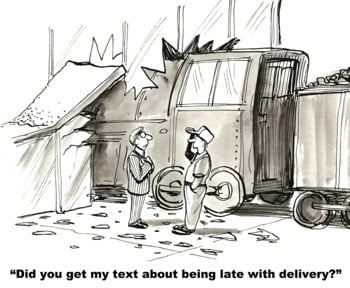
Distracted Driving may result in accidents that increase the cost of your car insurance.

Distracted driving accidents can raise your car insurance rates. Contact us to get the best rates on auto insurance in Reading, Lancsater, Philadelphia, Allentown, PA and beyond.It has probably been around since the first person sat behind the wheel of a Model T Ford in 1908. But as life seems to have hit break-neck (no pun intended) speed and multi-tasking has become a part of daily living, distracted driving has become the norm rather than the exception. And, of course, the number of deaths caused by teen texting has brought distracted driving to the forefront.

The Center for Disease Control (CDC) defines distracted driving as “driving while doing another activity that takes your attention away from driving.” That activity could be texting, eating, or even changing the radio station. The CDC defines three main types of distractions: Visual: taking your eyes off the road; Manual: taking your hands off the wheel; and Cognitive: taking your mind off of driving. The bottom line is that distracted driving is dangerous.

Distracted Driving Statistics

According to the National Highway Traffic Safety Administration (NHTSA), distracted driving took the lives of 3,477 people in 2015 alone. “Each day in the United States, over eight people are killed and 1,161 injured in crashes that are reported to involve a distracted driver,” the CDC says. “In 2013, nearly one in five crashes (18%) in which someone was injured involved distracted driving.” The NHTSA reports that “teens were the largest age group reported as distracted at the time of fatal crashes.”

Many states and government entities have put laws into place to help decrease distracted driving caused by texting and cell phone use, but the effectiveness of these laws is still unclear, so it’s up to you as a driver and a parent to decrease driving distractions.

Talk to Your Teen Drivers About the Risks and Costs of Distracted Driving

As a parent, you should talk to your teens about good driving habits, the responsibilities that come with driving and the consequences distracted driving can cause, including not only their safety, but their accident history and the cost impact on their future automobile insurance rates. And the best way to teach them… lead by example and never drive distracted.

Safe driving requires your full attention, and most distractions are avoidable; although some do take a little bit of planning and self-control. It’s up to you to take control and eliminate distractions so that you can focus on the road.

Here are 5 Tips to Avoid Distracted Driving

  1. Concentrate on the road and your driving. This tip may seem overly simple and obvious, but many - if not most - of us need to be reminded of this every once in a while.

  2. Prepare for driving. Set your GPS, music, seats, mirrors, etc. before you put your car into drive. Also, eat and get dressed (yes, even your lipstick) before you get on the road.

  3. Store loose gear, possessions, and other distractions out of sight, so you aren’t tempted. Only use cell phones in emergencies and NEVER text, email, or use the internet while driving.

  4. Make sure all children and pets are secure before setting out.

  5. If you need to attend to any activity – making a phone call, eating, taking care of a child, etc. - other than driving, pull off the road somewhere safe.

The American Automobile Association (AAA) says, “As a general rule, if you cannot devote your full attention to driving because of some other activity, it’s a distraction. Take care of it before or after your trip, not while behind the wheel.”

Get The Best Auto Insurance At The Best Rates Right Here

Nobody should pay more than they need to for quality car insurance. As independent agents, we're free to shop among lots of competing auto insurance providers to get you the right PA car insurance at a great price whether you're in Reading, Philadelphia, Lancaster, Allentown, Pittsburgh, Erie or beyond! So contact American Insuring Group online or call us at (800) 947-1270 or (610) 775-3848.

Tags: Car Insurance, Car Insurance Reading PA, Car Insurance Allentown PA, Car Insurance Philadelphia PA

Flood Insurance Tips for Your Home or Business

Posted by David Ross on Thu, Jun 01, 2017

Flood insurance tips for your home or business regarding adding flood insurance to your homeowners insurance or business insurance policy.No one wants to pay more for business or homeowners insurance than they need to, but everyone wants to ensure that that have the right coverage to protect their family and their possessions. It can be tricky to determine whether you need flood insurance. As you may know, standard homeowners and renters insurance policies do NOT cover flood damage.

If you’re in a designated flood zone, the purchase of flood insurance should be a no-brainer, and your lender will probably require flood insurance in that case. But what if you don’t live along a river or by the sea, and you’re far from a designated flood zone? That’s where it gets a little trickier.

Flooding: The Most Common and Costly Natural Disaster

Something to keep in mind: in the US, flooding is the most common and the most costly natural disaster, costing billions of dollars every year. The five most significant flood events in Pennsylvania (based on National Flood Insurance Program Payouts) include Superstorm Sandy in October 2012, Hurricane Ike in September 2008, Hurricane Ivan in September 2004, Hurricane Irene in August 2011, and Tropical Storm Allison in June 2001. 


Additionally, flooding isn’t always caused by overflowing rivers or out-of-control oceans. It can also be caused by melting snow, an overflowing creek, or water running down a steep hill. As FEMA states, “Just a few inches of water can cost thousands of dollars in damage to a home.”


If you do decide to purchase flood insurance, there are two types of coverage you need to understand:


Building Coverage covers the repair or replacement of the building. This includes the foundation, electric, plumbing, central air, furnaces, water heaters, refrigerators, stoves, and built-in appliances. Basic building coverage is available for up to $250,000 for residential and up to $500,000 for commercial.


Contents Coverage covers the contents of your home like furniture, clothing, electronic equipment, smaller appliances, etc. Basic contents coverage is available up to $100,000 for residential and up to $500,000 for commercial.

Please keep in mind that you can  purchase an Excess Flood Policy if you need more coverage than what’s available in the basic plans. You should also understand replacement costs – the amount you the insured will receive in the event of a loss.

Replacement Cost Value (RCV) is the cost to repair or replace the insured item at the time of the loss. There is no deduction for physical depreciation. The insurer is paid the amount required to replace the insured item (up to the limit). RCV is available when the insured property is the primary residence, and the amount of coverage is equal to 80% or more of the replacement cost of the building.

Actual Cash Value (ACV) is the cost to repair or replace the insured item, less the physical depreciation at the time of the loss. The depreciation is based on the age and the condition of the item. The contents of your property are always paid at ACV.

One more thing to keep in mind: With flood insurance, there is a 30-day waiting period before the coverage goes into effect, so don’t wait until you hear about a flood warning on the morning news to add flood insurance to your business or homeowners insurance policy.

Contact Us for Flood Insurance or Any Type of Insurance You May Need

Contact us for Flood Insurance for your home or business in Reading, Philadelphia, Allentown, Lehigh Valley, Pittsburgh, Erie, Harrisburg, Lancaster, State College, PA and beyond.American Insuring Group can help you determine if you flood insurance is right for your home or business.

And, regardless of what type of personal or business insurance you may need, we'll help you save because our independtent agents are free to shop among many competing carriers to find the right insurance protection at a great price.  

So contact us online or give us a call at (800) 947-1270 or (610) 775-3848 to learn more.

Tags: Flood Insurance, Flood Insurance Reading PA, Flood Insurance Philadelphia PA, Homeowners Insurance, PA Flood Insurance

Reduce Workers Comp Costs with the Right Attorney

Posted by David Ross on Thu, May 25, 2017

Choosing the right attorney can help lower your workers compensation insurance costs. Call us for workers compensation insurance in Reading, Philadelphia, Lehigh Valley, Allentown, Lancaster, Harrisburg, Pittsburgh, PA and beyond.Reviewing defense attorneys and panels should be done on an ongoing basis because choosing the wrong workers compensation defense attorney for your business can cause missed opportunities, unnecessary litigation costs, and time. Just because you’ve built a relationship with one attorney doesn’t make him or her the best choice to defend your workers compensation insurance claim.

You can start by looking at an attorney’s reputation, but you also need to find someone with workers compensation experience and a familiarity with your industry and someone who meets the objectives of your program.

So what should you look for in a good workers compensation defense attorney?

1. Outside-the-box Thinker
There are a lot of different ways to handle a workers comp claim, so first you need to look for someone who can think outside the box. Yes, they need to understand the basics and be able to evaluate the situation based on criteria related to the statute and be able to interpret the case law. But they also need to be able to look at the claim from different angles to develop the right strategies to resolve your case. You want someone who will consider all potential defenses, analyze how each of those defenses may play out, and develop creative solutions to complex problems.

2. Honest Assessments
It’s important to understand that the workers compensation system is inherently biased toward the employee, which means that most cases that go to court will end in an award to the employee. A good WC attorney will understand that and only recommend taking cases to court that you have a chance of winning. Otherwise, they should recommend settling on those cases that there is little chance of winning and make sure that those settlements are fair. You want your case to be resolved as quickly and fairly as possible.

3. Excellent Communication
This may seem obvious, but it is often overlooked. First, you’ll want an attorney that asks you lots of questions and takes the time to understand your industry, your business (including what your employees do), and your goals. You’ll want an attorney who responds quickly to your inquiries and provides regular updates that include an honest analysis of the claim, detailed information about their “plan of attack,” and status reports.

Here are 9 questions to ask before hiring a workers compensation defense attorney:


1. Do they also handle claims for employees?

2. Are they open to an in-depth interview before hiring?

3. Can they provide references from other clients who you can contact – preferably in your industry?

4. Do they have experience in hearings before the Board/Commission?

5. Do they have a thorough understanding of workers compensation laws and administrative regulations in Pennsylvania?

6. Do they have an in-depth understanding of statutes that can affect workers compensation claims such as social security disability and vocational rehabilitation?

7. What is their fee structure?

8. How will they bill you – monthly, quarterly, yearly?

9. Are they willing to provide you with copies of deposition transcripts, expert reports, Board/Commission decisions, and medical reports?


Contact Us to Lower Your Workers Compensation Insurance Costs

Contact us for help in lowering your workers compensation insurance costs.Having the right defense attorney for your workers comp claims will save you time and frustration and help you save money on your workers compensation insurance.

To find the right workers comp insurance for your business at the right price, contact American Insuring Group online, or call us at (800) 947-1270 or (610) 775-3848 to get started.

Tags: Workers Compensation Insurance, workers comp, workers comp insurance, PA Workers Compensation Insurance, workers comp costs

Truck Insurance in a Driverless Truck World

Posted by David Ross on Thu, May 25, 2017

Driverless truck insurance considerations. Serving Reading, Philadelphia, Lancaster, Harrisburg, York, Allentown, Pittsburgh and beyond with affordable trucking insurance.Do you ever wonder how trucking insurance rates may be affected by driverless cars and trucks? Will there be less accidents due to driver error, or more accidents due to compurter error?

Imagine driving along the highway and glancing into the cab of an 18-wheeler as you pass it; you see the “driver” sitting back, relaxing, and looking down at his iPad, drinking a cup of coffee, and completely ignoring the road and the cars around him. Don’t panic! Hopefully, you’ve just witnessed a driverless (Aka autonomous) truck. No, this is not a scene from the Jetsons. It is a very real possibility.

The First Licensed Self Driving Semi Truck

In 2015, Daimler introduced the world’s first licensed self-driving semi called the Freightliner Inspiration. “The Freightliner Inspiration is a limited take on autonomy. The system will kick in only once the truck’s on the highway and up to speed, and then it will maintain a safe distance from other vehicles and stay in its lane. It won’t change lanes to pass slower vehicles on its own. If the truck encounters a situation it can’t confidently handle, like heavy snow or faded lane lines, it will alert the human that it’s time for him to take over,” according to Wired. While it’s true that the world isn’t quite ready for an autonomous truck, it is not outside the realm of possibility within our lifetime.

Truck Driver Shortages

Nearly 70 percent of the country’s freight is moved by truck, according to the American Trucking Association (ATA), and that number is expected to increase by 24 percent by 2022. As the amount of freight being shipped by trucks increases, the number of drivers continues to decrease. Currently, there is a shortage of nearly 48,000 truck drivers, which experts say may increase to almost 240,000 by 2023. So you can see why trucking companies may be intrigued by the idea of driverless vehicles.

Trucking Insurance Company Concerns

Commercial trucking insurance companies are also keeping their eye on driverless trucks. In the US, 330,000 large trucks were involved in crashes that killed nearly 4,000 people (most were in passenger cars) in 2012. According to the National Highway Traffic Safety Administration, 90% of accidents are caused by driver error. Eliminate risk factors like drunk driving, distracted driving, or falling asleep at the wheel, and claims payouts and premiums could go down drastically – at least in the short term.

In the long-term, there are still issues that vehicle manufacturers, fleet owners, and insurers need to  address. For example, a computer-operated driverless truck would be susceptible to hackers, which could include terrorists or others with malicious intent. What if an autonomous truck is involved in an accident? Whose fault is it? The truck owner or the vehicle manufacturer or the driver (if there is one in the truck)? Determining who is liable for an accident could become difficult, especially in the event of product recalls or faulty equipment.

When Will Driverless Trucks Become the Norm?

The truth is: the U.S. isn’t quite ready for a driverless truck. First, there’s a ten-year testing phase. Daimler has said, “It won’t be market-ready for a decade, and could never replace human drivers.”

But more importantly, U.S. infrastructure isn’t ready for it. According to the American Society of Civil Engineers, the US infrastructure grade for 2013 was a D+. Roads received a D. The government would need to invest millions of dollars to upgrade the infrastructure of three million miles of road to support driverless vehicles. According to Economic Analysis of Transportation US roads have poor markings and uneven signage, traffic lights that are aligned vertically, horizontally or “doghouse” style in two columns, and pavement markings with different degrees of reflectivity. These are issues that can make it difficult for driverless technology to adapt.

Economic Impact

There is also the issue of industries that rely on truckers’ business such as highway motels, gas stations, diners, and truck stops. Remove the drivers, and you remove their customers. The U.S. economy could be significantly affected by the replacement of drivers with machines. It will be interesting to watch how far and how quickly technology will change the trucking industry. In particular driverless trucks. 

Driverless or Not, We Have You Covered! Contact Us for the Best Truck Insurance Rates.


Contact us for all your trucking insurance needsRegardless of where the trucking industry goes in terms of driverless trucks, you can trust Amercican Insuring Group to provide smart insurance protection at a great price.

As independent agents we're free to shop among lots of competing insurance carriers. That means you'll get the best rate on quality insurance. To learn more about trucking insurance, contact us online or call us at (800) 947-1270 or (610) 775-3848.

Tags: truck insurance, Affordable Car Insurance, Trucking Insurance, Driverless Cars and Trucks

Homeowners Insurance: 5 Fire Protection Tips

Posted by David Ross on Thu, May 18, 2017

Fire insurance protection tips. Reduce your homeowners insurance costs in Reading, Philadelphia, Lancaster, State College, Altoona, Harrisburgh, Lehigh Valley, Allentown, PA and beyond.When people think of homeowner's insurance the first thing that often comes to mind is fire in the home. We can’t think of many scenarios that are scarier than a home fire. Fire can spread very quickly. In just two minutes, a fire can become life-threatening. In five minutes, a residence can be engulfed in flames.

There’s an estimated $7.3 billion in property loss due to home fires each year. More importantly, more than 2,500 people die, and 12,600 people are injured in fires every year.

Most fires occur in the kitchen. Other common causes include carelessly discarded cigarettes, sparks from fireplaces, and heating appliances that are too close to furniture and other combustibles.

Heat and smoke are often more dangerous than flames. Breathing in super-hot air can sear your lungs, and poisonous gasses produced by a fire can make you disoriented and drowsy. More fire deaths are caused by asphyxiation than burns (a three-to-one ratio).

The good news is that home fires are preventable, but you need to be aware of potential hazards, and you need to be diligent about eliminating those risks. As a bonus, you'll reduce the likelihood of a homeowners insurance claim and potentially lower your long term house insurance costs.


Here are five tips to prevent fires and help keep your family, your home, and your possessions safe from fire

  1. Cooking
    Stay in the kitchen when you are cooking. Create a 3-foot “kid-free zone” around your stove. Keep outside grills at least 10 feet from siding and deck railings and out from under eaves and overhanging branches.

  2. Portable space heaters
    Keep combustible objects at least three feet away from portable heaters and only use heaters that have been evaluated by a nationally recognized laboratory, such as Underwriters Laboratories (UL). Before purchasing a kerosene heater, check on the legality of a kerosene heater with your local fire department.

  3. Fireplaces and woodstoves
    Inspect and clean fireplaces and woodstoves annually. Use a fireplace screen and make sure the fire is completely out before leaving the house or going to bed.

  4. Smoking
    If you smoke, do it outside (especially if oxygen is used inside the house) and make sure your cigarettes are completely extinguished in an ashtray or can filled with sand. Soak butts and ashes in water before placing them in a trash can.

  5. Electrical
    Use products that have been evaluated by a nationally recognized laboratory, such as Underwriters Laboratories (UL). Check for and replace worn or damaged cords, and never try to force a three-prong plug into a two-slot outlet. Don’t overload extension cords or wall sockets.

A few more practical tips

Finally, check your smoke detectors and replace the batteries regularly. A simple way to remember to check them is to do it in the spring and fall when we change our clocks for Daylight Saving Time.

You should also have a professional inspect your home - electric wiring, plumbing (gas), heating, and air conditioning – regularly for potential hazards.

You may also want to consider installing a fire alarm system and a home sprinkler system that can help detect and extinguish fires even if you aren’t home.

“An ounce of prevention is worth a pound of cure” couldn’t be truer than when you’re protecting your home and family from fire. To learn more about fires and how to prevent them, go to https://www.ready.gov/home-fires

For related information on protecting your home, see our blog post: How to Recover Quickly From Water Damage.


Avoid Regrets - Get a Free Homeowners Insurance Checkup

Your home is your castle and the source of many fond memories. Don't take a chance with your safety or your memories. Contact American Insuring Group online or give us a call at (800) 947-1270 or (610) 775-3848 to review your home owner’s policy.

We're experts at finding the right policy at the right price by searching for you among many competing insurance providers. Contact us today to start saving and for your peace of mind.

Tags: Homeowners Insurance Philadelphia Pa, House Insurance, Homeowners Insurance, Homeowners Insurance Allentown Pa, Homeowners Insurance Berks County

Data and Identity Protection and The Internet of Things (IoT)

Posted by David Ross on Thu, May 04, 2017

Cyber-Insurance-for-Your-Home.jpgOur homes are becoming “smarter”! That's a good thing, right? Yes, you proably have homeowner's insurance but have you considered non-traditional threats to your privacy and data in the home?

PCMagazine poses the intriguing question, “What if all the devices in your life could connect to the Internet? Not just computers and smartphones, but everything: clocks, speakers, lights, doors, cameras, windows, window blinds, hot water heaters, appliances, cooking utensils, you name it.

And what if those devices could all communicate, send you information, and take your commands? It's not science fiction; it's the Internet of Things (IoT), and it's a key component of home automation and smart homes.” 

This is awesome, right? Well… yes and no. Consider the following:

New Risks: Your Smart Home and the Internet of Things

As consumers add more and more IoT devices to their homes (a 2015 Gartner study estimates that approximately 5.5 million IoT devices are added to homes around the world every day), experts anticipate the number of attacks also to increase. In fact, in October 2016, hackers took over 100,000 IoT devices and used them to block traffic to well-known websites, including Twitter and Netflix.

This doesn’t mean that you need to forego the latest IoT device that becomes available; it means that you need to be smarter than ever about protecting yourself from Cyber Risk in the home.

To be precise, the actual IoT devices themselves do not contain your personal identity information - so they are not the security risk directly. The risk is that once they are working, they are often “forgotten” and rarely updated or monitored, if at all. If a hacker should find a way to compromise them, they could be used as a pathway to infiltrate your home. Once inside, a hacker could eavesdrop on your network for any unprotected information passing within it or possibly gain access to other devices that do contain your personal information such as computers, smart phones, and tablet devices.

Here are 5 steps to help you protect your home from a cyber attack


  1. Use proper software
    At the very least, you should have antivirus and malware software on your computers, smartphones, and tablets. You should also turn off unwanted or unused features and stay on top of firmware. And finally, when using a public Wi-Fi (like in an airport or coffee shop), use a virtual private network (VPN).

  2. Protect your privacy with a good password
    Regularly changing your password and using different sophisticated passwords is one of the quickest and easiest ways to protect yourself from cyber-attacks. If your device has a two-factor authentication - such as a fingerprint and a password - turn it on.

  3. Consider privacy concerns vs. benefits before purchasing a smart device
    Before purchasing a smart device, ask yourself if it will really enhance or simplify your life or if you just want it because it’s a snazzy new device that no one else has yet. Then, decide if it’s worth potentially giving up some of your privacy.

  4. Be selective when purchasing smart home devices
    When deciding which smart home devices to purchase, chose from well-known brands whenever possible and find out what security measures they are taking to protect your data. This is still a relatively new issue, so do some research. Find out which manufacturers are talking about security and being proactive in communicating how they’re delivering that security to you.

  5. Install a firewall
    This may seem obvious, but do you have a quality, up-to-date firewall in your home? If you are not sure then consult a local provider and installer of routers and request an in-home review.

2 steps to blunt the impact of a cyber attack

Even if you take all the responsible preventative meaures, cyber attacks can sometimes occur. Here are two things you can do to lessen the impact:

  1. Sign Up for Identity Protection
    Do you have an identify protection policy? There are various plans available with varying levels of monitoring and assistance should your identity be stolen. 
     
  2. Freeze your credit
    If you won’t be using your credit anytime soon, contact each of the credit bureaus individually, and ask them to temporarily freeze your credit. There is a form on each credit bureau’s site to do that. If you find you need to procure a loan, it takes about ten days to unfreeze your credit, and it’s a fairly easy process.

Home cyber threats are real

The fact is that there are cyber criminals out there ready to steal your information and wreak havoc. Although nothing is guaranteed to protect you from these criminals, following these measures will make it harder for those criminals to hack into your IoT devices.

For related information on cyber insurance for your business read our blog post: Combat Data Breaches with Cyber Liability Insurance.


Contact Us for All Your Insurance Needs

Are you sure your homeowner's policy offers the right amount of protection at a good price? Do you need cyber insurance for your business? 

Contact American Insuring Group online or give us a call at (800) 947-1270 or (610) 775-3848 for a free and thorough homeowner's insurance review. You'll be glad you did!

Tags: Homeowners Insurance Philadelphia Pa, Homeowners Insurance, Homeowners Insurance Allentown Pa, Homeowners Insurance Reading Pa, Cyber Liability Insurance, Cyber Insurance, IoT, Internet of Things

Workers Comp Tips: Getting Employees Back to Work

Posted by David Ross on Thu, Apr 27, 2017

Tips for getting employees back to work to help reduce workers compensation insurance claim costs in Philadelphia, Reading, Lancaster, York, Harrisburg, Allentown, Lehigh Valley, Pittsburgh, PA and beyond.Getting people back to work on time can help reduce the cost of workers compensation insurance claims. But how is this achieved?

People are different. We are not robots. We are not cookie cutters of each other. We are all unique. And good managers understand that every employee is different. What one employee may respond to, another may not (and may cause the opposite effect). You need to “read” your employees to determine the best way to motivate and communicate with each one individually. 

The same applies when it comes to an injured employee’s return to work. If you want to get them back to work as quickly and safely as possible after a workers’ compensation claim, you need to understand a little about their personality type and determine the best way to communicate with them.

Workers Compensation Return-to-Work Strategies

Fortunately, there are many different return-to-work programs, and it’s up to you to match the right strategy and the right communication style with each employee. Most employees fall under one of these four different employee personality types:

  1. Satisfied-Active
    These employees are happy and ready to return to work. This employee has probably missed few if any days of work, is committed to the company, and is considered a go-getter. This type of employee may even look at his or her injury and workers’ comp insurance claim as a weakness or setback. With this kind of employee, you’ll want to send them a get well card and work with them to create a strategy – whether that means a transitional duty position (if appropriate) or just getting them back to work. Repeated phone calls aren’t necessary and could be considered intrusive.

  2. Satisfied-Passive
    These employees are generally happy with their jobs, but aren’t necessarily chomping at the bit to get back to work. This type of employee needs a little more prodding than the Satisfied-Active employee. It’s okay to call this employee a few times to keep up with their progress, and you’ll probably need to come up with a return-to-work strategy for them.

  3. Dissatisfied-Passive
    These employees are unhappy. While they may not actively create schemes, they will take advantage of any opportunity to stay out of work. This type of employee definitely needs more communication to help keep them on the straight and narrow. Regular communication with them and their physicians to monitor their progress is needed.
  4. Dissatisfied-Active
    These employees are unhappy with their situation and actively do their best to take advantage of the system. You will need a more aggressive approach with this type of employee including fraud prevention measures, hiring investigators, and having constant communication with them.

An Important Workers Compensation Cost Control Goal

Your goal should be to get workers who have filed a workers’ compensation insurance claim back to work as quickly and safely as possible. Using different approaches based on their personalities will help make that happen.

We Can Help with Workers Comp Insurance

For help in lowering your workers compensation insurance costs contact American Insuring Group  online, or give us a call at (800) 947-1270 or (610) 775-3848. Our independent agents will be sure to find you the right policy at a great price. Contact us today to get started!

Tags: Workers Compensation Insurance, workers comp, workers comp insurance, PA Workers Compensation Insurance, workers comp costs

Truck Insurance 101:  Private Carrier Insurance

Posted by David Ross on Thu, Apr 20, 2017

Private carrier insurance tips and trucking insurance in Philadelphia, Reading, Allentown, Harrisburg, Lancaster, York, Lebanon, State College, PA and beyond.The United States economy depends on trucks to deliver nearly $671 billion worth of manufactured and retail goods in the U.S. alone. It’s estimated that 15.5 million trucks operate in the U.S. Two million of those are tractor trailers.

Whether they are common carriers or private carriers, these vehicles need to be adequately protected with trucking insurance known as private carrier insurance. And there are several different types of insurance coverage that are required.

Here is a look at the coverage a typical private carrier would need to purchase.

What is a private carrier?

If the company owns the vehicles that are used to transport its goods, it is a private carrier. Unlike a common carrier, a private carrier does not transport goods as its primary business, and it doesn’t have to carry the goods of other companies. A private carrier is not a for-hire carrier and does not tranport the products of other companies as its primary business. 

What kind of trucking insurance does a private carrier need?

Liability Insurance: If you’re at fault for an accident, liability insurance covers injuries or damage to other people or property. It also will pay for your legal defense expenses if you are sued as a result of your involvement in an accident.

There are two parts to the coverage:

  • Bodily Injury Coverage protects you if you cause an accident that injures or kills another person. It pays for any related expenses such as hospital and medical bills, long-term nursing care, lost earnings, and rehabilitation. It will pay funeral expenses in a fatal accident.

  • Property Damage protects you if you are at fault for an accident that damages another person's property. It will cover the costs to replace or repair the damaged items that could include vehicles, fences, and houses. 

Physical Damage Coverage: Physical Damage refers to two basic coverages that protect your truck. This insurance requires you to choose a deductible, which is the out-of-pocket amount that you agree to pay whenever you have a claim. These are the coverages:

  • Collision Insurance: Collision insurance provides protection for your vehicle if it is damaged in an accident. Collision insurance pays to repair or replace your vehicle if it collides with something or overturns.
  • Comprehensive Coverage: If your truck is damaged by something other than a collision with another vehicle or object, or if your truck is stolen, comprehensive insurance will cover it.

Medical Payments Insurance: This insurance is not available in all states. If you can get medical payments insurance, it will pay medical bills for you and any passengers in your truck in case they are hurt in an accident or auto-related injury.

Private truck insurance filings

If you are traveling across state lines, you may need federal or state insurance filings. Known as Financial Proof of Responsibilities, they are a guarantee to the government that you are carrying sufficient truck insurance protection.

You'll Get the Best Trucking Insurance Rates from American Insuring Group 

Contact us for help with your private carrier insurance questions or to buy trucking insurance.If you have questions about these filings or are looking for a great deal on any type of trucking insurance, contact American Insuring Group online or call us at (800) 947-1270 or (610) 775-3848 and sit down with one of our experts on Private Carrier Insurance. We can help you sort through it and get you back on the road quickly.

Best of all, you can rest assured that we will help you get the right insurance protection at the right price. Unlike our single-brand competitors, as independent agents we're free to shop among many competing insurance carriers to help you get the best deal on insurance. Contact us today to get started!

Tags: truck insurance, Trucking Insurance, Private Carrier Insurance

2016 Long-Term Care Insurance Tax Deductions

Posted by David Ross on Sat, Apr 08, 2017

Long-term care insurance tips and tax deductions. Contact us for long-term care insurance in Reading, Harrisburg, Allentown, Lancaster, Philadelphia, Pittsburgh, PA and beyond.There’s a good chance you’ve heard that long-term care insurance should be a part of everyone’s financial planning.

A long-term care insurance policy helps pay for the care you need when you become unable to care for yourself. It can protect your family's financial future and your investments and savings, and is therefore an important element in a well designed health insurance strategy.

What long-term care insurance covers

Long-term insurance benefits pay for services that include personal care such as bathing, dressing, eating, using the bathroom, moving around, or getting in or out of a bed or a chair. The help could be administered at your home or a variety of other facilities.

Long-term insurance rates vary depending on individual factors:
• How old you are when you apply for it
• The maximum amount that the policy will cover per day
• The highest number of days, months, or years that the policy will provide benefits
• The lifetime maximum amount
• Any options that you choose (increasing benefits with inflation, for instance)

Since most long-term policies require medical underwriting, you may not even qualify for the protection if you are in bad health. Sometimes, however, you can get group coverage that requires no underwriting, or you might be able to purchase an individual policy with limited coverage or at higher rates.

Good news from the IRS on long-term care insurance

The Internal Revenue Service (IRS) has announced that it is increasing the amount taxpayers can deduct from their 2016 income for long-term care insurance premiums.

Premiums for qualified long-term care insurance policies are tax deductible to the extent that they, along with other unreimbursed medical expenses, exceed 10 percent of the insured's adjusted gross income, or 7.5 percent for taxpayers 65 and older (through 2016).

The premiums, which are the amount a policyholder pays the insurance company, are deductible for the taxpayer, spouse, and other dependents. Self-employed individuals take note: Your rules are different. You can take the amount of the premium as a deduction just as long as you made a net profit. And your medical expenses do not have to exceed a certain percentage of your income.

One caveat, depending on the taxpayer’s age, there is a limit on how much of the premium may be deducted. The IRS does not consider any premium amounts for the year that are above these limits to be a medical expense.

Here are the deductibility limits for 2016:

Age before the end of the year
40 or less: $390
41 to 50: $730
51 to 60: $1,460
61 to 70: $3,900
71 and up: $4,870

How to receive the long-term care insurance tax deduction:

You must itemize your deductions on your federal return to receive the long-term care insurance tax deduction. Your long term care insurance premiums are added in to your other unreimbursed medical expenses. To get a tax deduction, you must have unreimbursed medical expenses that exceed 10% (7.5% for 65 and older) of your adjusted gross income. If so, you may deduct up to the age-based limits shown above.

We can help you select the right long-term care insurance

Contact us for help in selecting the right long-term care insurance policy.It’s never a bad time to review your financial plan, and with the IRS giving you an added incentive, you should take the time to consider long-term care insurance as part of your plan for 2017.

Contact American Insuring Group online, or call us at (800) 947-1270 or (610) 775-3848, and get all the details on this essential coverage.

Tags: Health Insurance Reading PA, Health Insurance Allentown, Long Term Care Insurance, Health Insurance, Health Insurance Philadelphia, Health Insurance Lancaster

5 Events that Should Trigger a Life Insurance Review

Posted by David Ross on Tue, Mar 28, 2017

Milestones in life that should trigger a life insurance review in Reading, Philadelphia, Allentown, Harrisburg, York, Lancaster, Pittsburgh, PA and beyond.When you have a milestone in your life, do you ever consider the financial consequences of it? You should because these changes have an impact on every part of your life, from the emotional to the financial.

Any major life event should trigger a review of your life insurance to make sure it aligns with your new situation.

If you’re experiencing one of these notable events, consider reviewing your policy now, and if you’re not sure why you need to do a review or aren’t even sure what constitutes a significant milestone, here are five for you to think about:

#1. Birth, death, divorce, and marriage

  • Birth:
    It doesn’t matter if it’s your first or fifth child, your life insurance must protect each one’s financial future. If you die, how will your spouse provide for the children? You should have enough coverage to get them through high school and college.
  • Death:
    If your spouse dies, you are left with the financial responsibilities of the entire family. More life insurance for you is probably in order.
  • Divorce:
    A divorce could have a substantial effect on your life insurance. If your ex-spouse dies, will there be enough to support the kids? Life insurance must be one of the things to settle in the process.
  • Marriage:
    After the wedding, it should be a priority to make sure that each of you is protected from financial adversity if one of you dies.

#2. Buying a home

When you purchase your first house, it’s probably the biggest financial commitment you’ve made so far. If either you or your spouse dies, the surviving partner will need to replace the other’s income to be able to pay the mortgage and maintain the same lifestyle.

And if you decide to buy a more expensive house—with a larger mortgage--in the future, you’ll need to review your life insurance once again.

#3. A change in your financial situation

Some changes to your financial condition prompt you to make adjustments to your life insurance coverage. The loss of a job might make whole life insurance prohibitively expensive, so you switch to term life to lower your premiums. A substantial increase in pay, on the other hand, would require more insurance to replace your paycheck if you die.

If you are fortunate enough to come into a large amount of cash—selling your business or property--you may not need as much life insurance.

#4. Retirement

When you retire from your job, that group insurance policy that your employer paid for you stays behind. You will still want to protect your family if you die, so you’ll need to determine if your retirement savings are enough to provide that security. If not, you’ll need to look at replacing at least some of the lost coverage.

#5. Two years have passed since your last review

The most important trigger for a life insurance review is time. You can’t predict the future, yet insurance is meant to protect you against future risks. The best way around this is to re-evaluate your situation every two years and make adjustments to your coverage based on that. If you always wait until a major trigger prompts you, it might be too late because changes in your health may have rendered you uninsurable.

We'll Help You Get the Right Life Insurance Protection

Contact us for a life insurance review.If you’ve experienced any of these life events, contact American Insuring Group online or give us a call at (800) 947-1270 or (610) 775-3848 for a free life insurance review.

Our independent agents will provide expert advice AND find you the best price by comparing many competing insurance providers - you'll get the right policy at a great price. Contact us today.

Tags: Life Insurance Berks Pa, Life Insurance Philadelphia Pa, Life Insurance Reading PA, Life Insurance Allentown Pa, Life Insurance Harrisburg Pa, Life Insurance