

 Most employers in Pennsylvania are required to carry Workers' Compensation (WC) Insurance to pay medical expenses and lost wages if an employee is injured or develops an illness on the job.
The majority of WC claims are legitimate; however, Workers' Comp fraud is costing businesses billions of dollars every year. WC fraud occurs when employees fake an injury, exaggerate an injury, claim an injury occurred at work when it did not, etc.
If an employer doesn't want to pay more than they have to for WC Insurance, they need to be on the lookout for questionable claims. Here are 4 valuable tips:
Report All Injury Claims
Even if you suspect a claim is not legit, you must report all injury claims to your Workers' Compensation Insurance carrier. Failing to do so could result in hefty penalties.
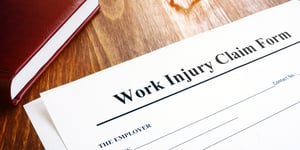
To do this, complete an injury/illness report. Some employers have their own reporting forms, and others use forms from their WC carrier or state WC agency. You should have every type of workplace accident report form available to avoid legal issues. Fill out the form with the injured employee if possible or deliver the form to the doctor who attended the employee first.
Typical information requested on these forms include (but is not limited to) the following:
- Date of injury
- Where the injury occurred
- A description of the injury or illness
- When the employee became aware of the injury or illness
- The date the injured employee received AND returned the form
Inspect and Document
You can help any WC investigation by gathering information as soon as an injury occurs while the information is fresh in everyone's minds. That includes surveying the scene of the accident, collecting information (such as talking to witnesses and writing down the details of the accident), and completing an incident report.
Try to determine the leading cause or causes of the accident and answer (in writing) the following questions:
- Were company rules and regulations followed?
- Were there any witnesses?
- Did something unique happen that caused the accident?
- Could the accident have been prevented?
- If it could have been prevented, why wasn't it?
- Is the risk still there?
As soon as possible, take photographs where the accident happened and any potential causes of the accident. Ask the doctor to document the state of the employee's injuries.
If there are witnesses, get the following information from them:
- Their name
- Their address
- Contact information
- A summary of what they saw
Let Your Claim Handler Know if You Believe a Claim is Questionable
The claim handler has experience and training in investigating WC claims – both legitimate and false claims, and they have the authority to deny a claim. However, you know more about your employees, your work environment, and the circumstances of an employee's claim than the claim handler.
If you feel a claim is questionable, you must let your claim handler know so that they can conduct a proper investigation.
Continue Communication
Once a claim is filed, the employer must continue to communicate with the carrier. Immediately forward any relevant information, such as medical documentation. Your claim handler may ask for additional information, such as the number of lost workdays, the RTW status, etc. If you want the claim resolved quickly, respond to claim handlers promptly.
How to Immediately Lower Workers' Compensation Insurance Costs:
If you want to lower your WC costs, work with an independent insurance agent like the pros at American Insuring Group. We can offer you lots of choices in WC insurance carriers. We'll make sure you get the right coverage at the right price. Give us a call today at (800) 947-1270 or (610) 775-3848 or connect with us online.
 The construction industry is notorious for being filled with potential hazards that cost construction companies billions of dollars in higher
  The rules and restrictions put in place by Gov. Tom Wolf, during the COVID-19 pandemic, forced many restaurants to get a little creative. At first, only take-out and curbside pickup were allowed, and then in early June, restaurants were given the okay for outdoor seating.
 If you want to lower
  We often focus on minimizing
  More than four years after Governor Tom Wolf signed the Pennsylvania Medical Marijuana Act into law, the implications of the law on construction site safety and
  Every business in Pennsylvania with one or more employees is required to provide
  In the US, opioids are costing businesses
  Third-party food delivery got a serious boost when Pennsylvania Governor Tom Wolf ordered all restaurants and bars to close their dine-in facilities to help stop the spread of COVID-19, while still permitting carry-out, delivery, and drive-through food and beverage service. Many restaurants began offering food delivery through apps such as Grubhub and UberEats.
  As specialists in