

Insurance Savings and News You Can Use
Join the Conversation!

4 Tips to Handle an Angry Workers’ Compensation Claimant

Posted by David Ross on Sun, Aug 11, 2019

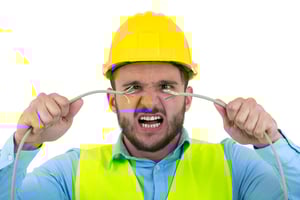
best-workers-comp-rates-300Sometimes when an employee is injured on the job and files a Workers’ Compensation Insurance claim, they can become frustrated and take it out on their employer. It isn’t right, but it happens. Sometimes no matter how hard you work to keep things civil, you’ll find yourself facing an angry employee.


Here are four tips to help diffuse a tense situation (many can be helpful in other situations, not just WC claims):

Do Not Take it Personally

If you do your best to do a good job for your injured employee and he or she still lashes out at you, it’s important to remember that not everything is about you. You need to understand that when an injured employee becomes angry, there are often mitigating circumstances that you will never know. They may be in pain; they may be confused; they may even be scared. Do not take their anger as a personal attack on you and how you are handling their claim.

Stay Calm, Listen, and Be Patient

Staying calm and patient is easier said than done when an employee is blasting you about their WC claim, but it’s essential if you want to diffuse the situation. Before you can resolve any issues with them, you need to try to get them calmed down.

You do that by staying calm, not raising your voice or using a sarcastic tone, and remaining objective. Otherwise, you will irritate the worker even more, and nothing will be resolved.

Let them know you are listening to them by using phrases such as “I hear what you’re saying.” It may sound corny, but it can help calm an angry employee. Don’t interrupt them. Sometimes they just need to vent or want to know that they’re being heard.

Once they calm down, you can focus on answering questions and coming up with solutions.

Empathize

Remember, this can be a scary time for an injured worker. They probably aren’t familiar with the process of filing a Workers’ Compensation claim, and they may be worried about how they’re going to take care of their family or if their injury will ever heal. Try to put yourself in their shoes and not only sympathize but empathize.

WC claimants want to know that you understand what they are saying and what they are going through and that you are willing and able to help them resolve their issues.

Some people have a hard time apologizing even when they know they’re wrong. Imagine how difficult it would be to apologize to someone when you know you are right, and they are wrong! If that sounds like you, swallow your pride and realize that your goal is to diffuse the situation. If an apology will get that done, do it! You can genuinely say you’re sorry for the confusion, or you’re sorry for what they are going through.

Offer Solutions

Most injured employees do not have experience handling Workers’ Compensation claims, but you do, so instead of arguing with them about how wrong they are, try to explain what is going on calmly. Let them know what is being done to resolve their issue or how they may be able to help resolve it.

Don’t talk so fast they can’t catch what you’re saying and don’t use a lot of jargon they may not be familiar with. This will only frustrate an angry employee further.

If you don’t know the answer to a question, find someone who does and get back to the injured worker promptly.

People can be irrational at the best of times. Throw in a little uncertainty and a little fear, and you have the potential for a nasty situation. If you find yourself dealing with an injured worker who is angry, use these tips to help diffuse the situation and resolve the issue more quickly.

Get the Best Price for Workers’ Compensation Insurance

American Insuring Group specializes in Workers’ Compensation Insurance, and we can make sure that you get the best price by comparing the cost of coverage with several insurance companies that meet your needs. Give us a call at (800) 947-1270 or (610) 775-3848 or connect with us online.
Tags: Workers Compensation Insurance, workers comp, PA Workers Compensation Insurance

Restaurant Liability Insurance to Protect Your Investment

Posted by David Ross on Tue, Aug 06, 2019

Restaurant-Liability-InsuranceThere is no denying that we live in a litigious society, and restaurants are not immune to lawsuits. In fact, the very nature of the business often makes them more vulnerable to lawsuits. Don’t believe us?

The 1993 case of a woman suing McDonald’s (and winning $2.86 million) after spilling hot coffee on herself is still fresh in many business owners’ minds. But it doesn’t end there. Check out Eater’s article “The Five Pettiest Lawsuits Against Fast-Food Chains” where you’ll read about Starbucks getting sued for putting ice in iced drinks and Subway being sued for 11-inch sandwiches.

That’s not to say there aren’t genuinely legitimate lawsuits. Someone slips and falls on a spill that wasn’t cleaned up, or someone gets food poisoning from food that was improperly prepared at a restaurant.

The bottom line is that every restaurant is at risk of being sued. Which is why restaurant owners must take steps to 1) prevent those lawsuits and 2) protect themselves with the right Restaurant Liability Insurance in the event of a lawsuit.

How to Prevent Lawsuits

You may not be able to prevent every lawsuit – freak accidents do happen – but there is a lot you can do to prevent most of them. Here are six tips:

  1. Train your employees well including safety and customer service
  2. Create a culture of safety
  3. Maintain consistent processes and quality in your food prep
  4. Treat all employees with respect
  5. Hire a good attorney
  6. Insure your business properly

Liability Insurance to Protect Your Restaurant

General Liability Insurance

This type of insurance, required by most landlords and lenders, covers you when a customer is injured at your restaurant, when there is damage to a customer’s property, or if there are advertising issues such as slander, libel, and copyright infringement.

When a customer is injured – such as slipping, falling, and breaking a leg on your property - general liability insurance covers legal fees, medical expenses, and any judgments imposed against your restaurant. It does not protect your employees; that’s where Workers’ Comp Insurance comes in (see below).

When a customer’s property is damaged – such as a server spilling coffee on a customer’s laptop – general liability helps pay for legal fees, replacement costs, and out-of-court settlements.

When you cause an advertising injury, general liability insurance covers copyright infringement and defamation - both libel(written) and slander(spoken).

Liquor Liability

Serving alcohol increases a restaurants liability issues, and most General Liability Insurance Policies do not cover it, so if you sell alcohol at your establishment, you need to have Liquor Liability Insurance. Pennsylvania is one of 43 states with some type of dram shop law.

According to the Pennsylvania Liquor Control Board, “Generally, dram shop laws establish the liability of establishments arising out of the sale of alcohol to visibly intoxicated persons or minors who subsequently cause death or injury to third parties (those not having a relationship to the bar) as a result of alcohol-related car crashes and other accidents.”

In other words, if you serve alcohol to someone who then injures someone else or damages someone’s property, you could be held liable. Liquor Liability Insurance helps protect your restaurant from this type of liability.

Product Liability Insurance

Food poisoning is every restaurant owner’s worse nightmare. The fact is that you can train your staff how to handle food safely and have proper processes in place to avoid food contamination, but you can’t control how the food is handled before it arrives at your restaurant. Therefore, food poisoning can still occur, and customers can still sue you for it. Product Liability Insurance helps protect your restaurant from those lawsuits.

Workers’ Compensation Insurance

Workers’ Comp is required for most businesses in Pennsylvania that have employees. It covers medical expenses, lost wages, and disability or death benefits for an employee who is injured on the job. But did you know that WC also covers legal costs if the injured employee sues you over the injury?

When reviewing your insurance needs, make sure your restaurant is protected from all potential risk – including liability.

How to Get the Best Price on Restaurant Liability Insurance

The independent agents at American Insuring Group understand the specific needs of restaurants. We will compare the cost of your coverage with several competing companies to ensure that you get the best price for that coverage. Give us a call at (800) 947-1270 or (610) 775-3848 or connect with us online.

Tags: Restaurant Insurance, Liquor Liability Insurance, Commercial Insurance, Restaurant Liability Insurance

Do Safety Incentive Programs Lower Workers Comp Insurance Costs?

Posted by David Ross on Sun, Jul 28, 2019

Incentive-programs-save-WC-costs-300In an attempt to lower workers’ compensation insurance costs, some companies implement safety incentive programs. For example, everyone receives a $25 gift card if there are no injuries reported for thirty days. This type of incentive program is called a “results-based” program, and at least on paper, makes perfect sense.


According to one study, between 1991 and 2001, companies with a safety incentive program saw a 44.16% reduction in the mean lost-time workday injury rate.

Again, this makes perfect sense; a safer workplace means fewer injuries and lower WC costs, so a company with no reported injuries for thirty days is a safer workplace, right? Maybe. The biggest flaw found in a results-based incentive program is that it can encourage underreporting.

A 2010 survey conducted by the Government Accountability Office, found that approximately 75% of manufacturers in the US had safety incentive programs that could potentially affect workers’ reporting of injuries and illnesses.

Let’s say on day twenty Joe Smith incurs an injury, but he doesn’t want to blow the $25 gift card for all of his coworkers, so he decides (or is pressured by coworkers) to wait to report the incident. When he does finally report that injury ten days later, there could be complications resulting in a more severe injury and higher medical costs.

Plus, if the injury is caused by an unsafe situation, another employee could be injured before the initial injury is reported and the hazardous situation remedied. Either way, you’re looking at higher medical costs and higher workers’ compensation costs.

That doesn’t mean that safety incentive programs don’t work. They can motivate employees to pay attention to safety and to work more safely, but they have to be done correctly. If the incentive program focuses on the incentive and not actual safety, it can interfere with creating a safer work environment.

Here are six tips to help you create an effective safety incentive program to help lower your workers’ compensation costs:


An Incentive Program Has to Be Part of a Comprehensive Safety Program

Some companies try to create an incentive program without having a comprehensive safety program – including safety training, accident investigations, a return-to-work program, etc. - in place. An incentive program is a way to encourage employees to engage in a company’s safety program and safe actions that it creates. 

Consider “Process-Based” Incentives

As discussed earlier, a results-based incentive program can result in unreported injuries, which is not reducing accidents or injuries. Instead of rewarding employees for the number of days without an incident, try rewarding positive, proactive behavior such as attending safety meetings, wearing PPE, scoring well on a safety training quiz, or suggesting ways to create a safer workplace. 

Provide Genuine and Meaningful Incentives

You need to find out what motivates your employees, and you need to offer a meaningful incentive that is worth achieving. Not everyone is motivated by money. Some would rather be recognized for doing a good job.

Incentives can include a pizza party or exclusive T-shirts with the company logo or an annual recognition dinner where employees on every level mingle, and top management presents awards to employees who have practiced safe work practices.

Award Incentives Often and to Many Employees

Workplace safety is a year-round activity. If you only award employees once a year, it’s easy to forget about safety three or four months into a program. Instead, offer frequent rewards – quarterly, monthly, or even weekly.

Everybody wins when you offer a safe work environment, so your incentive programs should take that same approach and award everyone – from top management to individual employees and from employees who already work safely to those who need encouragement to work more safely.

Get Buy-In From Upper Management

Upper management is footing the bill, so they need to understand the goals of the program and how it will progress. It takes a while to see a decrease in injuries and the resulting lower WC costs. 

Plus, there is usually an upfront investment required for things like signs, results boards, and even time. As the program progresses and employees become more familiar with the program, those costs typically decrease.

But if upper management doesn’t see immediate results, they could withdraw their support if they don’t understand the process.

And in order to create a culture of safety, upper management needs to buy into your company’s safety program, including incentives.

KISS

Keep it Simple Stupid! Don’t make an incentive program so complicated that your employees don’t understand what they need to do in order to receive the award. If it’s too complicated, a safety incentive program could backfire by lowering employee morale.

Providing a safe working environment is every employer’s responsibility. The good news is that efforts to create a safer workplace – such as safety incentive programs – can also help improve your bottom-line.

Get the Best Price on Workers’ Comp insurance

The experienced independent agents at American Insuring Group are committed to getting you the very best price on quality workers’ compensation insurance protection. Give us a call at (800) 947-1270 or (610) 775-3848 or find us online.

Tags: workers comp insurance, workers comp costs, WC Insurance, Safety Programs

Builder’s Risk Insurance: What Every Contractor Should Know About It

Posted by David Ross on Sun, Jul 21, 2019

save-on-builders-risk-insurance-300Insurance is a way to protect the things you have of value – vehicles, employees, buildings, etc. But what if you’re in the process of building or remodeling a structure? Does it have any value? Of course, it does, and it is susceptible to damage just like anything else, which is where Builder’s Risk Insurance comes into play. 


According to the National Fire Protection Association, between 2010 and 2014, fires in structures under construction resulted in $172 million in property damage every year, and fires in structures undergoing major renovation resulted in $108 million in direct property damage each year. And that’s just fires. Structures can also be damaged by vandalism, theft, severe storms, and more.

Therefore, it’s imperative that you protect these project just as you would anything else of value. Here’s what you need to know about Builder’s Risk Insurance. 

What Is Builder’s Risk Insurance?

Builder’s Risk Insurance (Aka Course of Construction) is temporary coverage for damage or loss to a structure that is being constructed or renovated.

If your existing property insurance doesn’t cover renovations or additions, Builder’s Risk Insurance can fill that gap. Most owners and lenders, along with most local, county, and state building and code enforcement agencies will require a contractor to have builder’s risk insurance.

Property owners, builders, financial institutions, contractors, or development/investment companies typically purchase Builder’s Risk Insurance, and additional parties may also be protected under an additional named insured clause.

Builder’s Risk Insurance is usually purchased before or on the date of construction when the contract is signed. If purchased after construction begins, the percentage of the work is completed will be considered.

These policies can be written in three, six, or twelve months terms, and can typically be extended (one time) if a project is not done on time.

What Does Builder’s Risk Cover (and Not Cover)?


Builder’s Risk insurance may just cover the structure, or it may also include materials and/or equipment used in the project. Each policy is different, so it’s essential to understand what a policy covers and doesn’t cover.

Typically, Builder’s Risk Insurance covers damage from the following:

  • fire
  • wind
  • theft
  • lighting
  • hail
  • vandalism
  • vehicles/aircraft
  • explosions

Typically, Builder’s Risk Insurance does not cover damage resulting from faulty design, planning, workmanship, and materials. Professional Liability insurance usually covers that type of damage.

Plus, Builder’s Risk Insurance usually doesn’t cover workplace injuries or liability. Other standard exclusions include the following:

  • employee theft
  • water damage
  • weather damage to property in the open
  • earthquake
  • war
  • government action
  • mechanical breakdown

What Is the Cost of Builder’s Risk Insurance?

The limit of the policy should reflect the total completed value of the project – including materials, labor, and overhead but excluding land cost. You can also insure a percentage of the building profit.

Typically, the best way to determine the best amount of coverage is to look at the construction budget. If changes result in an increase in the value of the structure, you should contact your insurance provider, so the policy can be endorsed to reflect the new value.

The cost generally runs between one and four percent of total construction costs.

How Do You Purchase Builder’s Risk Insurance?

Every construction project has a lot of moving parts, and each project is different. Your first step should be to find an agent with experience in contractor’s insurance like the agents at American Insuring Group.

Here is the basic information you should be ready to provide your agent:

  • Insured name and mailing address
  • Builder information – name, years of experience, number of structures built or remodeled in the last year and the projected number of projects for the next year, and loss history
  • Property information – address, square footage, number of stories, total completed value, type of construction material, and fire protection class

Here’s How to Get the Best Price on Builder’s Insurance

If you want to ensure the proper coverage, limits, and policy type are in place for your next project, give American Insuring Group a call at (800) 947-1270 or (610) 775-3848 or connect with us online. Not only do we specialize in contractors insurance, but we are also independent agents, which means we thoroughly check e and compare pricing and coverage with multiple companies to ensure that you get the best price and quality protection!

Tags: Builders Insurance, Construction Insurance, Construction Risk Insurance, Contractor Insurance

Lower Workers Comp and Liability Insurance Costs With Safety Signs

Posted by David Ross on Sun, Jul 14, 2019

lower-WC-insurance-with-signs-300The best way to reduce workers’ compensation insurance and commercial liability insurance costs is to create a safer work environment that reduces the number and severity of injuries. Whether your workplace is filled with hazards like a construction site or imposes minimal danger like a retail space, it is your responsibility as an employer to create the safest work environment possible.


One way to create a safer environment for employees, customers, vendors, etc. is to use safety signs to draw attention to potential hazards.

Several agencies such as the Occupational Safety and Health Administration (OSHA) and the American National Standards Institute (ANSI) set standards and regulations for the design, use, and placement of workplace safety signs.

Here are three things to consider when using signs to improve safety, lower injuries, and save on insurance costs:

OSHA has three classifications of signs:

  • Danger Signs are used when there is an immediate danger, and special precautions are needed. These signs need to be red, black, and white.
  • Caution Signs are used to warn people about potential hazards or to caution against unsafe practices. Those signs need to have a yellow background and black panel with yellow letters. Letters placed on yellow backgrounds need to be black.
  • Safety Instruction Signs are used for general instructions and suggestions regarding safety measures. These signs need to have a white background, green panel, and white letters, and any letters on a white background must be black.

Location

Signs should be placed where they can be read from a safe viewing distance, so people have time to prepare to enter or avoid the area. If needed, safety signs should be displayed with illumination or retro-reflectiveness so they can be read under normal operating conditions.

Signs should NOT be placed on or next to moveable objects such as doors and windows and should NOT be a distraction or create a hazard. Safety signs need to be protected from damage.

Signs should be used in these areas:

  • where there is a risk of injuries such as uneven ground or the risk of falling objects
  • where personal protective equipment is required
  • where equipment poses a threat such as loud machines that can cause hearing loss
  • where dangers aren’t visible or apparent such as around radiation or irritating chemicals
  • where equipment such as forklifts and mobile cranes are used
  • where potentially dangerous substances are located
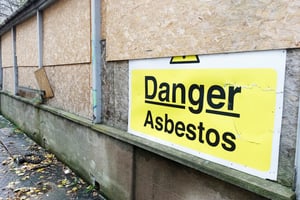
  • where there is asbestos, where it is suspected to be, or where it has been recently removed

Content

Keep your messages concise and straightforward and easy to read, so people are quickly alerted to potential dangers. Use vivid colors, so your signs stand out even in busy areas.

Use symbols, diagrams, and images where possible to bridge any language barriers. Lettering should be large enough that a person with normal vision can read the sign at a distance where they still have time to prepare for or avoid potential danger.

Safety signs are a cheap and easy way to alert employees, customers, vendors, etc. to potential hazards, which should reduce the number and severity of injuries and help lower your workers’ comp and liability insurance costs.

Want to Discover More Ways to Save on Commercial Insurance Costs?

Give the experienced independent commercial insurance agents at American Insuring Group at (800) 947-1270 or (610) 775-3848 or connect with us online. We will compare the cost of your coverage with several companies to ensure that you get the lowest price.

Tags: Workers Compensation Insurance, PA Workers Compensation Insurance, Commercial Insurance, Safety Programs

Filling Restaurant Insurance Gaps

Posted by David Ross on Sun, Jul 07, 2019

fill-restaurant-insurance-gaps-300Restaurant Insurance is available to protect your property, your employees, and your business. Some types of insurance are pretty standard and may even be required by law or by other entities such as lenders and landlords.

The following are standard types of insurance that most restaurant owners carry:

  • Property Insurance
covers your building and its contents if it is damaged by fire, storms, theft, etc. and is usually required by lenders.
  • Commercial general liability insurance
covers legal costs and any judgments you may be required to pay a plaintiff if you are found liable for bodily injury or damage to someone else’s property.
  • Workers’ compensation insurance
covers injury to employees and is required by law for most businesses with employees.

These insurances are great for protecting many of your assets; however, you may find that there are gaps in your coverage.  Fortunately, there are other types of insurance or additional coverages available that can help fill those gaps.

You may not need any of these additional coverages, but knowledge is power. If you want to avoid unpleasant surprises down the road, it is critical that you consider potential risks, determine if they are covered under your existing policies, and decide how (or if) you need additional coverage.  

An experienced agent who specializes in restaurant insurance – like those at American Insuring Group - can help you determine the best coverage for your specific needs.

Here are Additional Coverages You May Want to Consider for Your Restaurant

Liquor Liability

If you have a liquor license, you should have liquor liability insurance to protect your restaurant if a customer becomes intoxicated and causes injury or damage.

Commercial Automobile Insurance

If you use a vehicle to transport food or people, you will need commercial automobile insurance.

Employment Practices Liability

If an employee sues your restaurant for discrimination or harassment, it may not be covered by general liability insurance.

Life Insurance

If your death (and loss of income) would cause a financial hardship for your family, you should consider either term or permanent life insurance.

Commercial Umbrella Insurance

Umbrella Insurance provides coverage above the limits of your general liability, commercial auto, or employer’s liability on a WC policy.

Sewer Backup

Sometimes a sewer backup isn’t just a stinky nuisance; it can cause real damage to your restaurant and is typically not covered under property insurance.

Utility Interruption Coverage

The loss of utilities such as electric, gas, water, etc. could shut down your restaurant or even cause damage to your restaurant.

Equipment Breakdown

Restaurants rely on their equipment – ovens, freezers, food warmers, etc. - and equipment does break down and can cause damage.

Spoilage or Food Contamination Insurance

An interruption in utilities or an equipment breakdown could result in costly food spoilage.

Extra Expense

If your property is damaged, and you want to continue operating at another location while repairs are being made, you’re going to incur expenses such as equipment or property rentals. If you want those expenses covered, you’ll probably need to purchase extra expense coverage.

Fine Arts

If you have expensive paintings or other artwork in your restaurant, you may need to protect your investment from damage or theft with fine arts coverage.

Employee Theft

A typical property insurance policy does not cover theft by employees.

Peak Season

If your restaurant sees a high level of business during certain times of the year, you may want a higher limit for personal property insurance coverage during that time.

Specific Peril Insurance

If your liability policy doesn’t cover damage from natural disasters (some do, and some don’t), you may need specific peril insurance.

Business Interruption Insurance

If your restaurant sustains damage and you need to close for an extended period, business interruption insurance can cover your loss of income while repairs are made.

You don’t want to pay more for insurance than is necessary, but at the same time, you do want to make sure that your business assets are adequately covered. This is where an independent agent who specializes in restaurant insurance can help.

Need Help Ensuring That Your Restaurant’s Assets are Properly Covered?

The independent agents at American Insuring Group can help you determine the best coverage for your restaurant. They check and compare coverage from multiple insurance companies to make sure you’re getting the best price on quality coverage. Give us a call at (800) 947-1270 or (610) 775-3848 or find us online.

Tags: Restaurant Insurance, workers comp insurance, Commercial Insurance, Restaurant Liability Insurance, Commercial General Liability Insurance

The Cost of Hearing Loss in Construction Workers

Posted by David Ross on Sun, Jun 23, 2019

construction-hearing-loss-cost-300Work-related hearing loss is costing construction companies millions of dollars in contractors’ insurance costs every year. 

If you own a construction company, the chances are good that your employees are exposed to a lot of noise – heavy equipment, jackhammers, etc., which can lead to hearing loss and have an impact on your contractors’ insurance costs. 

Hearing loss is the most common work-related injury. The Center for Disease Control and Prevention (CDC) reports that about 22 million workers in the U.S. are exposed to hazardous levels of noise every year. A 10-year-study of more than one million construction workers in the U.S. found the construction industry has the second highest number of employees affected by hearing loss. 

Work-related hearing loss is costing businesses an estimated $242 million in workers’ comp claims every year. Training your employees about hearing loss and ways to avoid it and enforcing safety measures can help not only lower your contractors’ insurance costs but also save your employees from permanent hearing loss. 

The Science Behind Hearing Loss

Hearing loss can occur as a result of exposure to loud noises, exposure to metals or solvents, or a result of physical trauma like a blow to the head. 

Studies show that regular exposure to sounds 85-90 decibels (dB) can cause hearing loss. A truck or motorcycle that is five yards away can emit sound at 90 dB, and a jackhammer that is three feet away can emit 120 dB. 

Approximately 9% of workers who were NOT subjected to noise levels above 90 decibels experience noise-induced hearing loss by age 50, but 60% of construction workers who were repeatedly exposed to noise at 120 dB did experience hearing loss by the age of 50. 

The National Institute of Occupational Safety and Health (NIOSH) recommends that all worker exposures to noise should be controlled below a level equivalent to 85 dBA for eight hours to minimize occupational noise-induced hearing loss. 

As an employer, you are required to take proper measures to protect your employees from hearing loss when workplace noises exceed those levels. 

Tips to Avoid Hearing Loss

Once an employee experiences noise-related hearing loss, it is usually permanent. The good news is that like most workplace accidents and diseases, hearing loss is preventable. 

If you want to save your employees’ hearing and reduce your WC costs, share the following tips with your employees:

  • Avoid Excessive Noise both on and off worksites
  • Wear industrial-grade hearing protection any time you are working at a noisy construction site.
  • Take regular breaks away from noisy areas
  • Work as far away from loud equipment as possible
  • Using headphones to listen to loud music to drown out a noisy work environment can do more harm than good. A better option is to use noise-canceling headphones, which can reduce your exposure to harmful noise levels both on and off the job.
  • Quit smoking because smoking suffocates the cells in your body, including those in your ears, which can increase your chance of experiencing hearing loss.
  • High blood sugar levels can damage cells in your body; thereby, causing hearing loss, so watch your blood sugar levels.
  • Never put anything including cotton swaps directly into your ears because you can injure your eardrum.
  • Schedule regular hearing tests 

Younger workers often feel impervious to workplace injuries including hearing loss, so it’s your responsibility as an employer to make your employees understand the prevalence of hearing loss among construction workers, what causes it, and how to avoid it, and you should require hearing loss protection protocol.  Eventually, they will thank you, and you will see immediate benefits in lower WC costs. 

Want to Learn More About Saving on Your Contractors’ Insurance?

Give one of the experienced agents at American Insuring Group a call at (800) 947-1270 or (610) 775-3848 or connect with us online.

As independent agents and specialists in contractors’ insurance, we will compare the cost of your insurance with several companies to help ensure that you get the right coverage at the best price!

Tags: Construction Insurance, Contractor Insurance, workers comp costs, Contractor Safety Management

Opioids: The #1 Workers’ Compensation Problem

Posted by David Ross on Sun, Jun 16, 2019

Opioids are the biggest workers compensation insurance cost driverIf you want to keep your Workers’ Comp insurance costs down, you need to understand the effects of opioid abuse.

The economic burden of prescription opioid misuse in the U.S. is about $78.5 billion every year including healthcare, lost productivity, treatment, and criminal justice costs, according to the Centers for Disease Control and Prevention. Health insurers and workers’ compensation carriers bear about one-third of that cost, according to Claims Journal


The result is increased workers’ compensation costs. A 2012 report from Lockton Companies reported that “Prescription opioids are presently the number one workers’ compensation problem in terms of controlling the ultimate cost of indemnity losses. There has never been a more damaging impact on the cost of workers’ compensation claims from a single issue than the abuse of opioid prescriptions for the management of chronic pain.” 

Why is This Happening?

Often, when an employee is injured on the job, a physician will prescribe an opioid for the pain. The Addiction Center reported that in 2012, 259 million opioid painkiller prescriptions were written. According to the Talbot Campus, the US makes up just 5% of the world’s population but consumes about 80% of the world’s prescription opioid drugs. 

The problem is that opiates are one of the most addictive substances available today. The Addiction Center reported that of the 259 million prescriptions written in 2012, an estimated 2 million led to addiction. 

According to the Talbot Campus, prescription opioid drugs contribute to 40% of all US opioid overdose deaths. The National Institute on Drug Abuse reports that every day, more than 130 people in the US die after overdosing on opioids. 

Furthermore, approximately 5% of those who abuse prescription drugs eventually transition to heroin. 

The Link Between Prescription and Illicit Opioids

Opioids include pain relievers such as oxycodone, hydrocodone, codeine, morphine, etc. that are available by prescription. However, many opioid addicts turn to illegal drugs like heroin and synthetic opioids such as fentanyl.  The Talbot Campus reported that about three out of four heroin users misused prescription opioids before their use of heroin. 

Fentanyl, a synthetic opioid that is fifty times more potent than heroin, is cheaper to produce and more readily available than heroin. Pharmaceutical fentanyl is primarily used to manage severe pain for cancer patients and end-of-life palliative care. Non-pharmaceutical fentanyl is often mixed with heroin or cocaine – often without the users’ knowledge. 

According to the CDC, there were more deaths involving synthetic opioids (more than 28,000) than from any other type of opioid in 2017. The introduction of fentanyl and other synthetic opioids is currently the most significant concern among opioid experts.

What can you do as an Employer?

Despite these frightening statistics, most people who are prescribed opioids do not become addicts; however, the ones who do are costing U.S. businesses like yours billions of dollars every year.

Thankfully, some precautions can be taken to address pain relief for injured employees. Here are a few steps to take if you want to reduce your workers’ compensation insurance costs.

Educate Your Employees

Make sure they understand the risks of opioid use, how addictive it can be, and how to prevent problems.

Build Good Relationships with Providers

Build a good relationship with area physicians - especially physicians within your network – and pharmacy benefit managers to make sure that they understand the risks of opioid use and how to minimize those risks such as screening patients for addiction, avoiding the use of opioids as the first line of therapy, and conducting urine screenings.

Intervene

If you suspect a case of opioid over prescription or abuse, intervene by talking to another physician, the insurer, and/or the third-party administrator. 

Accidents do happen, and employees do get hurt, but don’t allow the prevalence of opioid addiction exacerbate the effects of those injuries on the injured employee, his or her family and coworkers, or your workers’ comp costs.


Want to Lower Your Workers’ Compensation Insurance Costs?

Another way to save on workers’ compensation and other commercial insurance costs is to work with an independent agent who can compare the cost of your insurance with more than one company.

Give American Insuring Group a call at (800) 947-1270 or (610) 775-3848 or connect with us online. Our independent agents will make sure that you get the best price on quality insurance protection. 

Tags: Workers Compensation Insurance, PA Workers Compensation Insurance, Commercial Insurance, Opioid Epidemic

Food Allergies and Restaurant Liability Insurance

Posted by David Ross on Sun, Jun 09, 2019

Food allergies can affect restaurant insurance costs.Are food allergies affecting the cost of your restaurant liability insurance? Maybe. 

If it seems as if more people suffer from food allergies, it’s because they are. According to Food Allergy Research & Education (FARE), food allergies in children increased by 50 percent between 1997 and 2011, and the number of children hospitalized due to food allergies tripled between the late 1990s and the mid-2000s. 

In the U.S., about 15 million people have food allergies, and food allergic reactions are responsible for approximately 30,000 emergency room visits and 150-200 deaths every year, according to the Environmental Health Specialists Network (EHS-Net). Over a thirteen-year period, nearly half of all fatal food allergy reactions were caused by food from restaurants or other food establishments. 

What if one of those reactions was a result of something that person ate at your restaurant? Are you liable? Again, maybe! 

So far, five states have enacted laws to make it safer for individuals with food allergies to eat at restaurants. While Pennsylvania is not one of those states, that doesn’t mean that you couldn’t find yourself on the wrong end of a lawsuit, which could affect not only your restaurant's liability insurance rates but also your restaurant’s reputation. 

What is a Food Allergy?

The Mayo Clinic defines a food allergy as “an immune system reaction that occurs soon after eating a certain food. Even a tiny amount of the allergy-causing food can trigger signs and symptoms such as digestive problems, hives, or swollen airways. In some people, a food allergy can cause severe symptoms or even a life-threatening reaction known as anaphylaxis.”

Symptoms can begin within a few minutes or up to two hours and can include one or more of the following:

  • Hives
  • Flushed skin or rash
  • Tingling or itchy sensation in the mouth
  • Face, tongue, or lip swelling
  • Vomiting and/or diarrhea
  • Abdominal cramps
  • Coughing or wheezing
  • Dizziness and/or lightheadedness
  • Swelling of the throat and vocal cords
  • Difficulty breathing
  • Loss of consciousness

According to the Food and Drug Administration (FDA), there are more than 160 foods that can cause an allergic reaction, but eight foods account for 90 percent of all food allergy reactions. Those eight major food allergens include the following:

  1. Milk
  2. Eggs
  3. Fish (e.g., bass, flounder, cod)
  4. Crustacean shellfish (e.g., crab, lobster, shrimp)
  5. Tree nuts (e.g., almonds, walnuts, pecans)
  6. Peanuts
  7. Wheat
  8. Soybeans

What do Restaurant Employees Know About Food Allergies?

A study conducted by the EHS-Net discovered that while most restaurant managers, workers, and servers were familiar with food allergies, there were significant gaps in that knowledge. This isn’t surprising since less than fifty percent of those interviewed had received food allergy training.

For the most part, restaurant employees could recognize the symptoms of an allergic reaction and knew to call 911 if a reaction occurred. 

However, one in ten were under the false assumption that someone with a food allergy could eat a small amount of an allergen without experiencing any adverse effects. The study also concluded that while most restaurants make ingredient lists available, many of them did not take other steps – such as avoiding cross food contamination – to reduce the risk of allergic reactions. 

What Your Restaurant Can Do to Ensure the Safety of Customers With Food Allergies

The EHS-Net recommends that restaurants do the following:

  • Train staff on food allergies including identifying major food allergens, how to prevent cross-contamination of allergens, and what to do if a customer has an allergic reaction
  • Have a designated person on duty at all times to handle food allergy questions and requests
  • Keep ingredient lists or recipes for menu items available for customers
  • Use dedicated areas and equipment to prep and cook meals for customers with food allergies
  • If this isn’t possible, clean prep areas and equipment before preparing meals for customers with food allergies 

If taking a few steps can help ensure the safety of your customers and help minimize the possibility of a lawsuit and the adverse effects that go with it, isn’t it worth the effort? Lowering your restaurant liability insurance is just icing on the cake.

We Specialize in Restaurant Insurance

If you want to save even more on your restaurant insurance, give one of the agents at American Insuring Group who specialize in restaurant insurance a call at (800) 947-1270 or (610) 775-3848 or connect with us online.

Tags: Restaurant Insurance, Commercial Insurance, Restaurant Liability Insurance, Restaurant Insurance Costs

Lower Trucking Workers’ Comp Costs With Safety Training

Posted by David Ross on Sun, Jun 09, 2019

save-truck-workers-comp-300If you want to lower workers’ compensation insurance costs in your trucking company, the solution is simple! Provide safety training to lower the number of injuries, cultivate happier and more productive employees, and lower your WC costs. 

When it comes to safety training for truck drivers, it’s natural to think about steps to avoid traffic accidents. After all, the CDC (Centers for Disease Control and Prevention) reports that crashes are the leading cause of on-the-job deaths for truck drivers in the US. 

But truck drivers also incur injuries getting in and out of their trucks or handling cargo, and these injuries can affect your workers’ comp costs. The good news is that many common workplace injuries in the trucking industry are preventable with the right safety training. 

Here are four areas that should be included in any safety training in the trucking industry if you want to lower your workers’ comp costs

Slips, Trips, and Falls

According to the National Safety Council (NSC), 23,490 transportation and warehousing employees were injured in falls, and 46 died in 2016. The NSC also found that the fall doesn’t have to be from a high level to cause severe and sometimes fatal injuries.

Here are fall safety tips:

  • Ensure proper training on the use of all equipment
  • Never push or carry a load that will block your vision
  • Clean up spills immediately
  • Keep areas where employees will be walking free of clutter
  • Make sure all mats, rugs, and carpets lie flat
  • Wear slip resistant shoes
  • Check all equipment for damage before using 

Three-Point Contact

According to the Infrastructure Health and Safety Association, more than one-quarter of all injuries to equipment operators and truck drivers occur while getting into or out of equipment and trucks. One way to avoid these injuries is to employ the three-point contact rule. 

That means maintaining three points of contact with the truck – two hands and one foot or two feet and one hand - whenever climbing in or out of your vehicle. 

Lifting

Lifting is such an every-day activity that it’s easy to forget how quickly an injury can occur when improperly lifting cargo, but those injuries can significantly affect your workers’ compensation costs. According to the Occupational Safety and Health Administration (OSHA), lifting heavy objects is one of the leading causes of workplace injuries. Shoulder and back injuries accounted for 36 percent of injuries that resulted in missed work days, and the most significant factors in these injuries were overexertion and cumulative trauma. 

Training your employees on how to lift heavy items correctly can avoid back sprains, wrist and elbow injuries, muscle pulls, spinal injuries, and more. 

OSHA reports that five factors generally contribute to lifting injuries – the weight of the object being lifted, awkward postures, frequent or long-duration lifting, inadequate handholds, and environmental factors. 

Here are some tips from OSHA that address these common factors.

  • Use equipment such as forklifts and duct lifts to lift heavy items
  • Use your legs when lifting objects from a low location
  • Avoid twisting
  • Break down loads into smaller units
  • Rotate tasks, so workers aren’t doing the same activity too long
  • Work in teams
  • Take regular breaks
  • Move materials with inadequate (or no) handholds into containers with good handholds
  • Adjust work schedule to limit exposure to extreme heat or cold temperatures 

Falling Cargo

Loads can shift while in transit, making the simple task of opening a trailer door a potential risk. Improperly secured loads can cause serious injuries and increase your WC costs. 

Here are a few tips to avoid injuries caused by falling cargo:

  • Make sure the load is firmly immobilized or secured on your truck
  • Open one trailer door at a time and stand behind the door as you open it
  • Do not attempt to catch falling cargo 

Training in these four areas and creating a culture where safety is a priority and a work environment where workers feel comfortable reporting injuries will help reduce injuries and lower your workers’ comp insurance costs. 

Save on Workers’ Compensation and Truck Insurance!

To learn additional ways to save on workers compensation and other truck insurance costs, give one of the experienced agents at American Insuring Group a call at (800) 947-1270 or (610) 775-3848 or connect with us online. As independent agents, we're free to compare the cost of insurance among lots of companies to ensure you get the best price on all your commercial insurance needs! 

Tags: Workers Compensation Insurance, truck insurance, workers comp costs, Trucking Insurance