
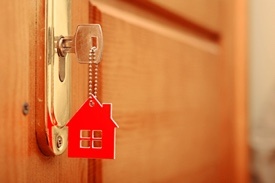
 On the surface, home sharing looks like a simple idea. You, the homeowner, offer accommodations to a guest--a home sharer--in exchange for an agreed-upon fee and, in some cases, help with household tasks.
There are even companies—Airbnb and HomeAway to name just two—that will list and advertise your home to potential renters. Each of these firms claims over one million listings, attesting to the growing popularity of home sharing.
But have you considered whether your house insurance policy covers the additional risks associated with sharing your home? Is your current homeowner's insurance sufficient?
Before you log on to one of these websites and join the ranks of home sharers who cover about 190 countries, you need to ensure that you are not exposing yourself to unnecessary financial risk with insufficient homeowner’s insurance coverage. HomeAway’s Bill Furlong warns that most hosts “probably don’t think through the fact that they’re beginning to engage in a commercial venture (and) they have to think about the tax part of the equation and they have to make sure the insurance is covered.”
Is Your Home Sharing Done For Profit? Watch Out for These Traps!
As with most homeowners, your insurance offers broad coverage for your property. The problem arises when you rent out your home since these policies almost always exclude a business pursuit. If you’re renting out your property for income, that is a commercial transaction. And there may be traps and gaps in your coverage that could be devastating
Traps and Gaps
- A guest is injured or dies, resulting in a personal injury lawsuit
- A guest files a property damage lawsuit against you
- You lose income because of significant damage to your home by one of your guests
Your standard homeowner’s policy does not cover these home-sharing activities. You have now changed your exposure from that of a residential homeowner to a business vacation rental. And as soon as you create a business exposure in your home, your carrier can refuse coverage for a claim and, in some cases, discontinue liability and property coverages—sometimes at renewal, maybe in mid-term.
Landlord policies may not be the answer
Up until recently, those who rented out their houses, or just a few rooms, had the option to buy a landlord’s policy to cover the home, structures, liability, and lost rental income. The problem with these policies is that they are designed for people who rent out their property full time. These landlords live elsewhere and have tenants who have signed contracts to live in the rental property for a longer term.
Home sharing presents a unique exposure that demands more options in coverage. Retired couples who bought a second home at the beach or the mountains are now discovering that they are not spending as much time there as they thought they would. Renting out these properties for short periods (perhaps 6-8 weeks each year) helps to offset set some of the expenses of ownership. The same goes for those who wish to have guests while they take a vacation or an extended business trip. They need a policy that offers risk protection for these shorter terms.
Policies that address the needs of the host are available
Some insurers are responding to this new market with insurance that can be added to an existing policy. These add-ons provide extra protection in cases where, for instance, your guest steals or damages your expensive flat-screen TV. Some home-sharing companies like Airbnb and HomeAway advertise coverage options for their hosts. Keep in mind, however, that these plans also have gaps—like not paying for intentional damages to your property.
Don't Risk It - Contact Us About Your Homeowners Insurance
 Before you commit to becoming a host, check with American Insuring Group to understand what your existing homeowner’s policy covers and what exclusions might apply. Then you can purchase a policy that closes all of the gaps.
To learn more about homeowner’s insurance and the available add-ons, contact American Insuring Group online or call us at (800) 947-1270 or (610) 775-3848.
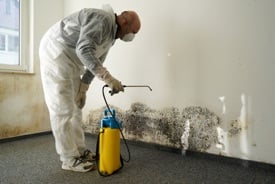 Attention: restoration contractors! You may have lucrative opportunities from an unlikely source—mold. Yes, the fungus that grows in moisture-laden areas of many old homes has created a demand for professional mold remediation services. Done right, you can grow your mold remediation business while controlling your
  To learn more about Commercial General Liability and Contractors Pollution Liability insurance, or for any business insurance need,
  Having a freshly constructed building for your business is exciting. It’s the culmination of an undertaking that involved the acquisition of land, working with an architect, hiring a construction company, and picking out the furnishings. After you have completed the project, you will have added a significant investment that you will undoubtedly protect with a well-designed insurance program.
 We can help you create a policy that meets the needs of your construction project. As independent insurance agents, we're free to shop among competing providers to help you obtain the best insurance solution at the right price.
 In 1992, 79-year old Stella Liebeck filed a lawsuit against McDonald’s for serving coffee that was too hot. In a product liability case that became known as the “McDonald’s Coffee Case,” the Albuquerque woman sued for injuries she had received after spilling coffee on herself. The basis of the lawsuit centered on insufficient warnings on the cups. After a trial and appeals, the parties settled out of court for an amount of less than $600,000.
 Get the Right Product Liability Insurance
 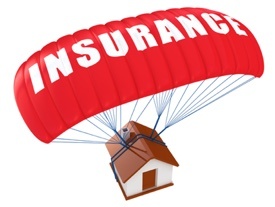 Like most homeowners, you’ve spent thousands (possibly hundreds of thousands) of dollars to purchase your home, most likely making it the largest purchase you will ever make. In order to protect your investment, you (hopefully) bought a homeowner’s insurance policy that will provide funds to replace your house if it is destroyed or to repair it if it is damaged.
 Want to save on homeowners insurance? As independent agents, we're well qualified to find you the best homeowners insurance at the right price because we represent MANY competing insurance carriers.
 Litigation is like lightening; it can never be accurately predicted. So, the best defense against both is to avoid them altogether. While it’s possible to seek shelter and stay out of harm’s way during a storm, avoiding a professional liability lawsuit can be much more complicated.
 To learn more about Professional Liability Insurance, which helps you pay for the cost of lawsuits and other expenses for which you are legally responsible, and for all your
  Maybe you’re like many employers who believe that
  Reduce the Cost of Workers Comp Insurance: Get Help From American Insuring Group!
  Experienced small-business owners know that it’s wise to expect the unexpected. Bad things often happen without warning.
 To learn more about business liability and commercial property insurance from our independent agents,
  Employers have been using cameras and video surveillance in the workplace for many years. In fact, in a 2005 survey, over half of the responding companies indicated they used video surveillance to counteract theft, violence, or sabotage. 16% of those respondents used surveillance to monitor their workers’ performance.
 For more information about workers compensation insurance,
  Every day, thirty men and women across the United States are severely injured in work-related accidents. That amounts to over ten thousand workers each year who are hurt so critically that the consequences to themselves and their families are sometimes permanent. Clearly, many U.S. worksites have been hazardous to workers. Reducing workplace hazards is good for employees and a smart way to reduce
  If you want to discuss how your business can maintain a safe worksite or if you would like to lower your workers compensation insurance premiums,