 Every home-based business should be protected by commercial insurance. But the growth of the internet and other technological advancements –such as social collaboration tools and communication apps - have changed the way many of us do business today and significantly influenced the number of small businesses nationwide. In addition, the low start-up costs; the reduction in the cost of commuting, meals, and other expenses; the flexibility; and the savings realized from not maintaining a “storefront” are creating more home-based businesses. Sometimes home-based business owners forget that their homeowner's policy is unlikely to cover them for liabilities that can occur in their business.
In 2014, there were 28 million small businesses in operation. Approximately half of the small businesses today are home-based businesses. The SBA reports that most of these home-based businesses are operating as sole proprietorships; others are s-corporations and partnerships, and the majority of them are service oriented.
But a home-based business is still a business. Owners need to understand the financial risks and responsibilities associated with this type of business, including how to protect that enterprise with the right business insurance for businesses run out of the home. It’s important to understand the differences between personal and commercial insurance liabilities and not assume that your personal insurance policies will always cover your home-based business insurance needs.
Here are five things every home-based business owner needs to consider protecting with the right business insurance.
- Home and Property Insurance – Most home owners’ or renters’ insurance policies only cover up to $2,500 for business property losses or damages. They also tend to exclude business-related liability claims and provide no provisions for any downtime associated with a property loss. Therefore, if you run your business from home, you may want to consider a business owner’s insurance policy, general liability insurance, business property insurance, and business interruption/continuation insurance. You may qualify for a homeowners' policy endorsement that modifies your standard policy.
- Auto Insurance – If you own or lease a vehicle almost exclusively used for business – whether it’s a small 10-year-old sedan or a large customized van complete with everything needed to groom a giant Greyhound - make sure your business name is listed as the principal insured. If your business involves transporting people, you should consider commercial vehicle insurance for the higher liability limits and special provisions that are available.
- Life Insurance – If your home-based business is a partnership, you may want to consider Key Person life insurance to ensure the organization’s future. If one partner dies the other partner (s) can use the life insurance payout to buy out the partner’s heirs, pay off outstanding loans, and continue operations. When considering key person life insurance, be sure to think about staff beyond the business owner. This type of coverage typically focuses on any person without whom the business would cease to exist.
- Health Insurance – Without health insurance, one extended stay in the hospital could mean the end of your business. Today, it’s much easier for small businesses to acquire health insurance – HMOs, PPOs, EPOs and other group plans. With the new Affordable Care Act, you may even qualify for a tax credit or subsidy if you purchase coverage through the new healthcare marketplace and failure to purchase health insurance could result in a tax penalty.
- Income Insurance – Worker’s Compensation insurance and disability insurance isn’t reserved for large companies. If you have just one employee, many states require that you purchase workers’ compensation insurance to protect your business from claims relating to work-related injuries and to protect the employee’s income. If your family relies on your income to survive, you should also consider Workers’ Compensation and/or disability for yourself, to ensure that you continue to see an income even if you are injured or become ill and can’t work.
Getting the Right Business Insurance for Your Home Business
There are also insurance “packages” available -known as Business Owners Policies (BOP) - that usually include property, business interruption, and liability insurance.
 The agents at American Insuring Group can help you determine the best commercial insurance for your home business. Contact us or give us a call at (800) 947-1270 or (610) 775-3848. As independent insurance agents, we're free to shop among many competing insurance companies, so we can find you the best deal on quality business insurance protection. Call or email today to learn more!
 Workers Compensation Premium Audits - a necessary evil (some would say) for any employer - determines the final cost of your
  For more information about premium audits or how to get the best deal on
 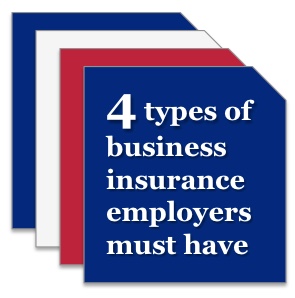 You’re about to become an employer. Maybe you’ve been in business for a while, but now you’re ready to hire your first employee. You’re excited; this means your business is growing. Or, maybe you’re just starting a business and you need employees to help run that business.
 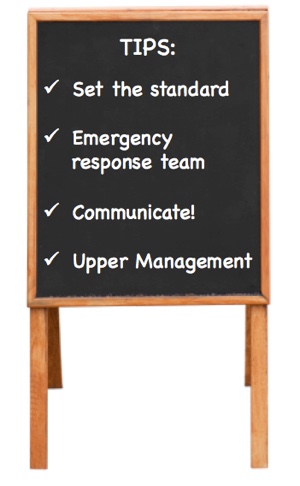 Set the Standard
 Our world is changing. The “typical” family has changed and people are living much longer due to advances in medicine. These two ingredients have created a new generation – known as the Sandwich Generation. Gone are the days when a “typical” family consisted of a working husband, a stay-at-home wife and a couple of children.
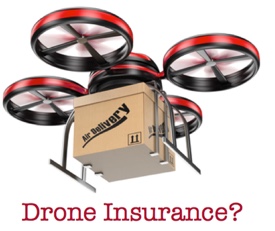 Businesses are discovering many uses for drones – also known as unmanned aircraft systems (UAS). In fact, total spending for military and commercial drones is expected to reach $89.1 billion over the next ten years. This translates into approximately 30,000 small commercial drones in use by 2020, according to the Federal Aviation Administration (FAA).
 In February 2012, congress mandated that the Federal Aviation Administration (FAA) find a way to integrate drones into U.S. airspace by September 2015. With that deadline looming, the FAA is nowhere close to finalizing its plans. This lack of regulation and the fact that there is very little loss history available at this point makes it challenging for insurance companies to develop policies. It's therefore likely that drone insurance rates may vary widely among insurance providers. Therefore, it's helpful to acquire drone insurance protection from an
  For more information about drone insurance and other commercial insurance needs,
 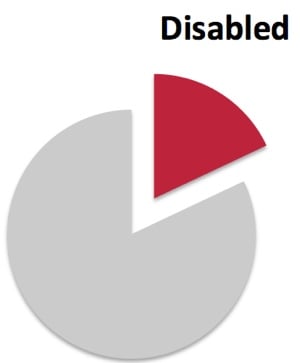 More than 50 million Americans – 18% of the population – have disabilities, making them the largest minority group in the country. In addition, approximately 71.5 million baby boomers will be over the age of 65 by the year 2030; many will require special provisions to meet their age-specific physical needs.
  You say you have good
  The inability to get the right care, from the right provider, at the right time is one of the leading causes of increasing medical costs.
  Contact Us for Workers Compensation Insurance Assistance
 Did you recently get married? Have you started thinking about having children? Are you already pregnant? Congratulations! This is a very exciting time in your life!