Business Insurance that Attracts & Retains Employees
 Great employees can be the fuel to move your business ahead of the competition. Dedicated employees add more and more value over time as they gain increased knowledge and experience. While everyone likes a company that offers great benefits, the best employees and job candidates are likely to view the quality of the benefits you offer as a compelling reason to join, remain at, or leave your firm.
With today's cost of purchasing individual insurance, employees are likely to view well-designed employer insurance packages as a deciding factor in selecting one company over another. Furthermore, strong benefits packages help retain your best employees, reducing the high cost of employee turnover.
Designing an Attractive Employee Benefits Package
That's why smart business owners create attractive employee benefits packages that not only include health insurance, but often life insurance, extended disability insurance, dental insurance, and generous retirement plans, among other options. Executive compensation packages may also include deferred compensation plans and higher levels of insurance coverage to retain your best talent. It pays to be well informed on the range of insurance options available to your business. Your independent insurance agent can be a key resource to help you craft an employee benefits package that attracts better employees at a price you can afford.
Commercial Insurance to Protect Your Business in Ways You May Not Have Considered
General liability insurance, property insurance, vehicle insurance, and workers' compensation insurance form the foundation of your business insurance protection. However, there are other types or subcategories of commercial insurance to consider. Among these are key person insurance, individual insurance, and insurance-backed buy-sell agreements.
Key Person Insurance: Thinking Beyond Job Titles Alone
Key person insurance, also known as key man insurance, is designed to reimburse you for the loss of sales or earnings due to losing an executive, business partner, or other key employee due to disability or death. When considering key person insurance, think beyond titles and identify those employees in your organization who, if unavailable, would dramatically impact your sales or the continuity of your business operations.
These may include high-performing sales reps and customer service personnel, as well as employees with deep technical knowledge of your industry or complex internal processes. Such people may be very difficult to replace with someone of similar knowledge or talent, resulting in reduced productivity or lost sales revenues for your firm for years to come. Your independent insurance agent can help you put together a smart key person insurance package to protect your business financially from the impact of losing a key employee.
Backing Buy-Sell Agreements with Business Insurance Protection
In the excitement of starting a new business with your business partner, business owners often overlook the need to work out all the details of a buy-sell agreement that comes into effect as a result of the loss of the other business partner due to retirement, death, or disability. While an attorney may be invaluable in putting together such agreements, don't neglect the need to obtain the proper life insurance on each partner to carry the remaining partner through the transition period and to keep the business financially healthy. The insurance coverage should be sufficient to buy out the departing partner's share of the business due to any of the circumstances mentioned above.
Life Insurance for Business Owners: Obtaining the Right Amount of Coverage
Business owners should carefully determine the amount of personal life insurance protection needed. Unlike employees, owners often have significant personal assets tied up in the business, such as a second mortgage that may have been used to finance the business. If the surviving family members' income drops significantly due to the death of the business owner, the results can be disastrous not only for the family, but for employees as well, even if significant personal loans and assets have not been invested in the business.
Low levels of life insurance may threaten not only the entire business, but also the careers of all employees by potentially forcing the surviving family members to liquidate or sell the business to pay the personal debts of the deceased business owner, or simply to provide the income needed to keep up with day-to-day financial obligations.
We Can Help with All Your Business Insurance Needs
We can help you make sense of your many business insurance options, from key person insurance, to life insurance, health insurance, disability insurance, dental insurance, and other forms of personal and commercial insurance to protect your business, and to attract and retain employees. We serve businesses in Reading, PA, Philadelphia, Allentown, Harrisburg, Lancaster, Lebanon, State College, Pittsburgh, Erie and points in between and beyond.
Contact us
(800) 947-1270 or (610) 775-3848
Take the challenge - get a quote. We offer the best insurance protection at the best price.

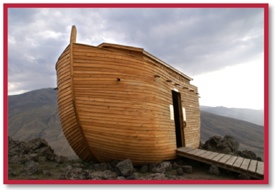 While most Pennsylvania homes and businesses are not considered to be in a flood plain, that doesn't mean that buildings in Pennsylvania don't flood. Even low risk areas suffer flooding due to poor drainage systems, blockages, broken mains, or rapid precipitation. The average homeowner's and business insurance does not cover flood damage, so it merits a discussion whether to purchase a flood insurance policy to protect yourself.
 So don’t wait until you see the ark float by; find out what kind of flood insurance works for you to protect your home and business! Give us a call at (800) 947-1270 or (610) 775-3848 or Contact Us by email.
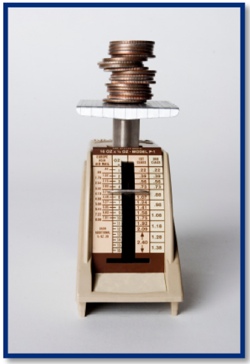 Workers' Compensation Insurance and Minimum Wage Increases
 It's obvious that having the right commercial property insurance is key to protecting your business against unforeseen risks. But have you taken practical steps to reduce the potential impact of storms, floods, earthquakes, or other natural disasters beyond obtaining insurance?
 Dirty Harry Was Right About Disability Insurance
 Life insurance. It's one of those decisions that can be so easy to ignore, a can we like to kick down the road, whether that road hails from Philadelphia, Reading, Allentown, Lancaster or beyond. If you've been procrastinating about resolving your life insurance needs, then this article is for you. Let's think this through and get that monkey off your back, shall we?
 Contact Us
 The
The 
 Too Busy to Assess Your Risk?