

Avoidinging Workers Compensation Insurance Claims via Risk Awareness
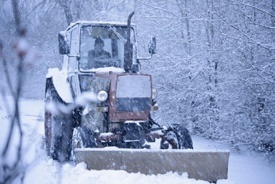 For construction workers and others whose jobs require them to be outside, winter means a few months of extreme cold and challenging days, during which they will be susceptible to cold-related injuries.
In addition to injuries resulting from slips and falls as temperatures dip below freezing, there is also the risk of cold stress. Cold Stress is the result of skin temperature being lowered, ultimately resulting in a reduced core body temperature.
The human body’s natural reaction when exposed to cold environments is to maintain its core temperature. To do so, blood shifts away from less critical body parts--hands, feet, arms, legs and skin--to concentrate in the vital chest and abdomen areas. As a result of the blood shift, the body parts containing less blood face an increased risk of cold-related injuries. Under severe conditions, tissue damage and death may occur.
Cold stress and the risk of cold-related injury can be reduced by increasing management and worker awareness of the hazards. In order to ensure a safe working environment, mitigate risk and prevent workers' compensation insurance claims, it is important to understand the elements of cold stress.
Types of cold stress facts you need to know
- Hypothermia involves a severe loss of body heat, resulting in shivering, confusion, and loss of motor skills to an extent where workers cannot replenish their warmth.
- Frostbite is the freezing of an area of the body, typically the nose, ears, cheeks, fingers or toes. Severe cases of frostbite may lead to amputation. Symptoms include numbness, hard skin, tingling or blisters.
- Trench foot occurs when a worker's feet remain damp for a prolonged period of time. Although not directly tied to extreme cold (wet feet can contribute to the condition in warmer temperatures), it is a threat in winter with symptoms of red skin, numbness swelling, or bleeding.
Workers can help prevent cold stress
Workers will be able to monitor their own health and identify problems with colleagues if they understand the symptoms of cold stress. Following some simple guidelines will also help them to prevent cold stress injuries:
- Dress in several loose-fitting layers and don’t forget boots, gloves, and a warm cap
- Have at least one layer of waterproof clothing to protect at least some of their other clothing from getting wet
- Take breaks to get warm. If possible, go indoors for a few minutes or at least get out of the elements
- Stay hydrated. This is every bit as important in winter as it is in hot weather
- Keep spare clothing nearby in case the clothing they’re wearing gets wet
What can employers do about cold stress?
A cooperative approach with employees is important. A cold stress prevention program, outlining steps to limit cold stress and reduce risk of injuries and illnesses, is a good start.
Another step you can take is a review of your scheduling. If at all possible, plan outdoor work, equipment repairs and other tasks when the weather is more favorable. While it is not always possible to prevent workers from operating outside at all times, especially in the construction industry with its deadline pressures, you can limit the length they have to spend in the coldest temperatures.
Next, you must train your team. Review the symptoms of cold stress in a group meeting. Emphasize the safety measures that workers must take, and discuss the best emergency response methods and who to notify should an employee begin to show signs of cold stress.
Finally, you need to provide resources for your workers. These can include insulated clothing, a heated shelter, warm beverages or educational materials. Above all else, call attention to cold-weather safety this winter. These measures will help to keep your workers on the job and your workers compensation insurance costs low.
Control Your Workers Compensation Insurance Cost
 Click here to contact us for more information about reducing the cost of workers compensation insurance, or give give us a call at (800) 947-1270 or (610) 775-3848.
 Medicaid is an entitlement program, jointly funded at the state and federal levels, which provides healthcare--both medical and long-term custodial care--to the poorest population of the United States. Not to be confused with Medicare, the federally funded program available to most U.S. citizens and permanent legal residents who are age 65 or older, eligibility for Medicaid is means-based, and the program has strict income eligibility requirements that vary from state to state.
 When one of your employees is injured on the job, it sets off a sequence of procedures that must be adhered to in order to protect your business. If a claim is filed--whether compensable or contested—it is imperative that you have the necessary documents on file. Documentation for
  Click here to contact us
 Workers' compensation insurance
 Today’s businesses are paying greater attention to their employees’ wellness. Some are even taking a more holistic approach in which “wellness” is being supplanted by “well-being.” Whether your business is providing employees with fitness programs, diets, and screenings or adding meditation and massages into the mix, your employees reap tangible benefits…and so do you.
 Businesses today face challenges in managing a
 In the early 1990’s when many states began passing workers compensation insurance acts, there was a prerequisite that any compensable injury had to have a physical impact. That has changed over the years.
 To learn more about saving on
  All businesses are at risk for some type of damage, liability or loss, and need to ensure that they have the right commercial insurance to protect themselves, their business, and their employees from those risks.
 Changing your
  Need help finding a good TPA?
 Workers Compensation Premium Audits - a necessary evil (some would say) for any employer - determines the final cost of your
  For more information about premium audits or how to get the best deal on