

 Life Insurance and Murder Mysteries
A 25-year-old wife falls to her death while hiking with her husband. The woman’s mother, convinced that her son-in-law pushed her daughter over the edge, goes on a relentless hunt to prove his guilt. The authorities, dismissing the accusations as the rantings of a grief-stricken mother, ignore her claims. That is until they discover that the husband secretly took out a million dollar life insurance policy on his wife just days before her death.
Is this just a plot for a classic film noir masterpiece or could it really happen? Could someone buy a secret life insurance policy on someone else – maybe even you?
You can rest easy; this life insurance collection plot is extremely unlikely. Here’s Why:
- Most life insurance policies require a medical exam of the person being insured.
- Most policies require you to sign an acknowledgement letter that will allow the insurer to access your medical information.
- Even policies that don’t require a medical exam will require the signature of the insured.
- It has become standard practice for most insurers to make a follow-up phone call to the person being insured to verify the information on the application.
- Insurance companies make sure that the person buying the policy has an "insurable interest" in the insured, based on marriage, blood, or business relationships.
What About Secret Employer-Based Life Insurance Policies?
Up until 2007, employers could purchase life insurance policies on their employees without their employees’ knowledge or consent. In the event of an employee’s death, the employer would receive the benefits of that policy. These were known as “dead peasant” policies (lovely, right?).
The bottom line on secret life insurance policies
If you want to go hiking with your spouse, go ahead. The chances that he or she has taken out a “secret” life insurance policy on you are slim to none.
 To learn more about obtaining the best life insurance protection, contact us at (800) 947-1270 or (610) 775-3848.
As independent Trusted Choice insurance agents, we offer life insurance policies from competing carriers, so unlike single-brand agencies, we are equipped to find you the best deal that truly meets your insurance needs. Call today.
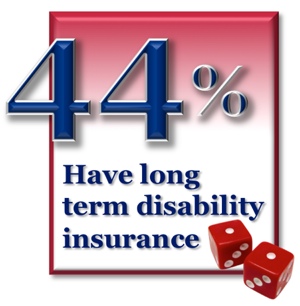 Let's Get Honest About Disability Insurance
 The average long-term disability claim is 34.6 months (just shy of 3 years!). If you rely on your paycheck (and who doesn't?) you should have disability insurance.
  Worker's compensation insurance, job classifications, job risks and insurance premiums are all related. Job classifications, which are based on specific ratings and descriptions for all types of jobs, are determined by the National Council on Compensation Insurance (NCCI), the insurance industry’s ratings bureau. There are more than 600 different job classifications, and more are being added all the time, so it isn’t surprising that 30-35 percent of businesses have classification errors. But have you considered the potential impact on your business insurance costs that an erroneous job classification can bring?
 Don’t wait for your
  Most people don’t want to think about life insurance; it’s something they pay for and hope they never use. But, let’s face it - you just never know when life is going to throw you a curveball. It’s what makes life so incredibly exciting sometimes and so very scary at other times.
  Insurance Protection for Those Curveballs!
 Following these tips will help ensure the safety of your employees and reduce workers’ comp claims; however, injuries may still happen.
  Picture this: a pizza delivery guy, a shuttle driver (sole-proprietor of the business), and an independent landscaping contractor collide into each other at the intersection of First and Main.
 Personal vehicle insurance
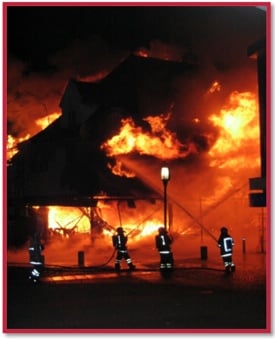 On March 25, 1911, the US witnessed one of the deadliest industrial disasters in American history – the Triangle Shirtwaist Factory Fire in New York City. The fire resulted in the deaths of 146 garment workers – 123 women and 23 men – who were working on the eighth, ninth, and tenth floors. Some died from the fire, but many were killed by smoke inhalation or falling or jumping to their deaths.

 Electrically-Related Worker's Comp Injuries
 Following these suggestions will help ensure the safety of your employees, reduce workers comp claims, and avoid fire-related business costs.
  Working in the food service industry often means hard work and long hours. You also face many unique challenges, including the responsibility of ensuring that the food you serve to your customers is safe. As any restaurant owner knows, a foodborne-illness can cause the loss of thousands of dollars and, in some cases, your entire business.
  You’ve worked hard to establish your restaurant business. Don't leave things to chance. Be sure you can survive any potential issues with a comprehensive