
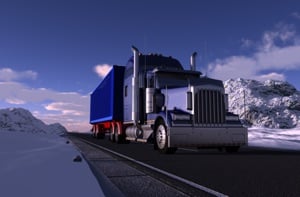
 Driving a truck is challenging enough. Add some snow, sleet or freezing rain, and you have the perfect storm not only for your safety, but for your trucking insurance rates. Few truck drivers can escape driving on wintry roads because more than 70 percent of the nation’s roads are located in regions that receive more than five inches average snowfall annually.
Winter Accident Rates
The Federal Highway Administration (FHA) reports that 24 percent of weather-related vehicle crashes occur on snowy, slushy or icy pavement and 15 percent happen during snowfall or sleet each year. Every year more than 1,300 people are killed, and 116,800 people are injured in vehicle crashes on snowy, slushy or icy pavements.
Handling a 40,000-pound tractor trailer on treacherous wintry roads requires special driving skills and a lot of common sense as stop time increases and visibility and traction decreases.
Here are two tips to prepare for winter driving:
- Make sure you have the following supplies in your truck. It’s better not to need something and have it than to need something and not have it:
- Kitty litter – When you stop for a meal or a bathroom break, your tires will be warm, which can quickly turn snow into ice. Kitty litter is a great way to get a little bit of extra traction to get you started.
- Good quality Lug tires
- Fuel conditioner
- Methyl hydrate for fuel and air lines
- Extra fuel filters (don’t forget a wrench)
- A hammer & putty knife. When driving in excessive amounts of snow, air tanks can quickly freeze. You can remove snow and ice packed on your air tanks with a hammer and putty knife
- Windshield washer fluid
- Chains
- Propane heater and lighter
- Extra warm clothing
- Insulated socks and good boots
- Extra blankets or a sleeping bag
- A well-charged phone
- Food and water
- Be extra diligent during your circle check. Make sure that everything is in working order including the defroster, heater, wiper blades and motor, brakes, and lights. Top off the washer fluid. A few ounces of brake line antifreeze mixed in with the washer fluid can help prevent freezing on your window. Drain moisture from the air tanks. Start with a full tank of gas for extra weight over the drive tires to help with traction. Check the tires and the tire pressure. Make sure all windows, mirrors, and lights are completely clean before departing.
Here are six tips once you hit the road:
- Slow down – This is the number one rule of safe winter driving. If roads are slick, the posted speed limits are probably too fast. Most at-fault accidents are due to excessive speeds.
- Keep a safe distance – When possible, leave about ¼ of a mile between you and the vehicle in front of you.
- Don’t stop on the shoulder – When visibility is bad, another vehicle may not see you or may think that you’re driving on the road and slam right into you.
- Don’t over brake and don’t engage the jake brake on icy roads – Your truck may slow down, but your trailer may not.
- Keep lights clean – Even if you start out with clean lights, snow and ice can build up decreasing visibility. Stop in a safe place periodically to make sure the lights on your truck are clean.
- Use common sense – You may feel pressure from hours of service rules and dispatchers, but don’t put yourself (and others) in harm’s way. Know your limits and what your equipment can handle. If you don’t feel that the roads are safe enough to drive on, find a safe place to park your truck and wait out the storm. Call dispatch and have the delivery rebooked. Nothing is more important than your life.
Taking these precautions on snowy, icy, or slushy roads can help save lives. It can also help decrease the cost of your truck insurance premiums.
Call Us to Save on Commercial Vehicle Insurance
To learn more ways to save on any type of commercial vehicle insurance, give the experienced agents at American Insuring Group a call at (800) 947-1270 or (610)775-3848, or click here to contact us online.
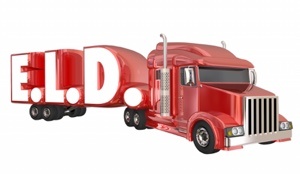 American Insuring Group has teamed up with Progressive Insurance to help commercial trucking companies comply with the new Electronic Logging Device (ELD) mandate.
 Nearly
 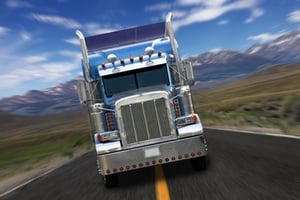 You have a great deal of power behind the wheel of a tractor-trailer. It's your responsibility to drive safely. As a bonus, if you do, then you'll also enjoy lower truck insurance costs.
 To learn more
 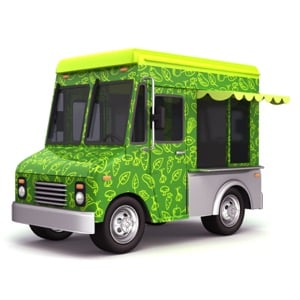 More people are getting into the food truck business than ever before. Food trucks offer a more affordable and flexible option for first-time entrepreneurs. Plus, many restaurateurs are adding food trucks to increase brand awareness and to cash in on the current growth of the food truck industry.
 It may sound complicated and perhaps a bit overwhelming, but the independent agents at American Insuring Group can walk you through your options and help you determine the best food truck insurance for your operation.
  You invested a lot of money to start your own for-hire trucking business. Now it’s beginning to pay off as your schedule fills and you are spending more time on the road.
 Signing on with a reputable motor carrier can mitigate some of those insurance expenses, but whether you drive under permanent lease or your own authority, you will need to sit down with an expert on for-hire trucking insurance to help you get the best coverage at a competitive price.
 Obviously, falling asleep at the wheel is dangerous, but did you know that driving while you’re drowsy (even if you don’t fall asleep) can be just as dangerous.
 Starting an independent trucking business is expensive. But, if you get a good return on your investment, it’s worth it. You can be your own boss and have a career that offers excellent earning potential. And, you have a choice to lease your trucks and services or to become an independent carrier.
 Commercial auto insurance is designed to protect you, your employees, your vehicle, your equipment, your business (in the event of a lawsuit), and other individuals. It has some of the same coverages as personal insurance, but usually includes higher liability coverage and additional add-ons not offered with personal auto insurance.
 If you want to protect your employees, your vehicle, your equipment, your business, and other individuals, give us a call at