
 Every small business should conduct a risk management assessment prior to reassessing their business insurance needs – preferably before they even open their doors. Basically, this means imagining the “What ifs” and thinking about worst-case scenarios. Think about any event that could lead to a loss for your business, estimate the cost of that loss, and determine how to best address each risk. These losses may include material losses, liability, business interruption, or injury to employees.
There are several factors that will determine the list of risks to your business. The risks to a company that produces large machinery will be very different from a service business. A caterer who rarely if ever has customers coming to their location will have very similar and – at the same time - very different risks and insurance needs than a restaurant that has customers coming and going all the time. Each business is unique.
Here are 7 types of risk/loss to consider before purchasing or changing your commercial insurance coverage:
- Loss of physical assets due to accidents (fires) and nature (floods)
- Loss of Intellectual Data
- Theft of physical assets
- Business liability – customers or employees getting injured on your premises
- Business product liability – A product that you manufacture/sell causes injury
- Advertising slander or personal injury
- Loss of income
How to Deal with business risks and help lower your commercial insurance costs:
Some business risks can be minimized or eliminated with specific actions; many risks are best managed by purchasing commercial insurance. For example, if you’re concerned about damage to your property, you could lease the property instead of purchasing it - or you could purchase insurance. If you’re concerned about theft, you could install an alarm system to minimize loss, but you would probably want to purchase insurance as well (the alarm system may afford you a discount).
Business insurance can reduce, mitigate or compensate for exposure to business risks. An insurance agency will do a risk assessment to determine how much insurance you need and what you need to cover, and they’ll do it at no cost. This assessment might include visiting your business, talking to you about the business or service you provide, reviewing your inventory, and reviewing any procedures to determine all the risks your business could be exposed to. By conducting your own assessment, you can combine your knowledge of your business with your insurance agent’s knowledge of insurance to create the best insurance policy to protect your business.
Growth is Good, But ..
As your business grows, so do your liabilities! If you purchase or replace equipment or expanded operations, you should contact your insurance broker to discuss changes in your business and how they can affect your need for expanded insurance coverage. Should disaster strike, you don't want to be caught underinsured.
Getting the Right Business Insurance is Key
 For more help creating a risk management assessment and aligning your business insurance needs with your risk, contact American Insuring Group at (800) 947-1270 or (610) 775-3848.
 Every home-based business should be protected by commercial insurance. But the growth of the internet and other technological advancements –such as social collaboration tools and communication apps - have changed the way many of us do business today and significantly influenced the number of small businesses nationwide. In addition, the low start-up costs; the reduction in the cost of commuting, meals, and other expenses; the flexibility; and the savings realized from not maintaining a “storefront” are creating more home-based businesses. Sometimes home-based business owners forget that their homeowner's policy is unlikely to cover them for liabilities that can occur in their business.

 Workers Compensation Premium Audits - a necessary evil (some would say) for any employer - determines the final cost of your
 For more information about premium audits or how to get the best deal on
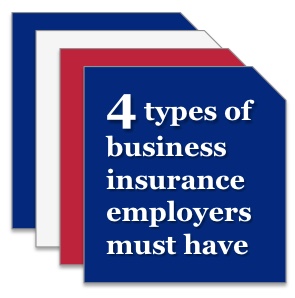 You’re about to become an employer. Maybe you’ve been in business for a while, but now you’re ready to hire your first employee. You’re excited; this means your business is growing. Or, maybe you’re just starting a business and you need employees to help run that business.
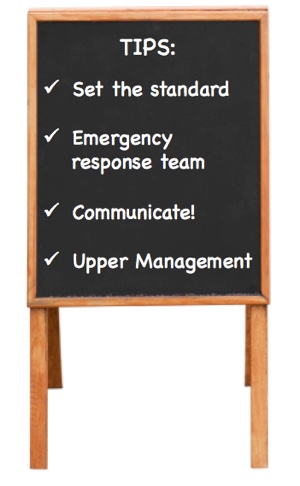 Set the Standard
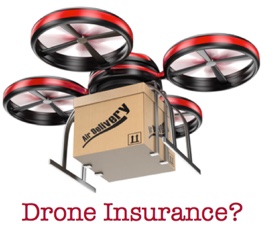 Businesses are discovering many uses for drones – also known as unmanned aircraft systems (UAS). In fact, total spending for military and commercial drones is expected to reach $89.1 billion over the next ten years. This translates into approximately 30,000 small commercial drones in use by 2020, according to the Federal Aviation Administration (FAA).
 In February 2012, congress mandated that the Federal Aviation Administration (FAA) find a way to integrate drones into U.S. airspace by September 2015. With that deadline looming, the FAA is nowhere close to finalizing its plans. This lack of regulation and the fact that there is very little loss history available at this point makes it challenging for insurance companies to develop policies. It's therefore likely that drone insurance rates may vary widely among insurance providers. Therefore, it's helpful to acquire drone insurance protection from an
 For more information about drone insurance and other commercial insurance needs,
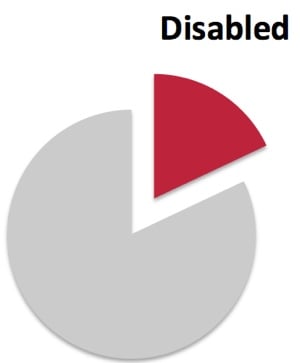 More than 50 million Americans – 18% of the population – have disabilities, making them the largest minority group in the country. In addition, approximately 71.5 million baby boomers will be over the age of 65 by the year 2030; many will require special provisions to meet their age-specific physical needs.
 Fraud, waste, and abuse continue to drive up the cost of administering workers’ compensation programs. Workers’ compensation fraud, which accounts for approximately one-quarter of all insurance fraud, comes in all forms: injury while off work, multiple claims, injury concurrent with termination, and many more.
 For additional methods to reduce the cost of workers’ compensation, including getting the best rate on quality workers comp insurance,
 If you own a fleet of vehicles that are used exclusively for your business or you own a freight truck or delivery truck, you probably understand that you need commercial vehicle insurance on those vehicles. But what if you have one vehicle that you use to deliver pizzas? What if you use your personal vehicle to drive to job sites or to meetings?
 Whether you’re a subcontractor or a general contractor – whether you build small backyard sheds or giant commercial buildings – whether you’re a one-man remodeling business or a multi-million dollar construction company, there are three types of insurance you need to consider. In other words, the size of your business and the size of the project make little difference. If you want to protect your investment, your employees, and even your business, there are three types of
 For more customized information about your construction insurance or