

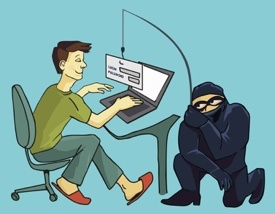
 Today’s businesses cannot operate without the aid of technology. Most companies do a significant portion of their business interactions online, and they are storing more sensitive information on their computers than ever before.
Even though technology has had a tremendously positive impact, it also comes with the inherent risk of data breaches.
As technology advances, these threats have become more difficult to resolve. Hence, the growing need for cyber liability insurance, also known as cyber insurance.
Data Breaches Affect Smaller Companies, Too
Data breaches at larger corporations-- Target and Neiman Marcus, for example—should not overshadow the more frequent security infringements that target smaller businesses. Many small business owners may not think they need cyber liability insurance; however, since half of all data breaches happen to small businesses, they are actually very vulnerable to security threats.
This should convince every enterprise, regardless of size, that cyber security and cyber insurance are worth considering. Whether it’s the theft of intellectual property or user data, a cyber breach can have unfavorable effects on your reputation, customer confidence and brand name.
The High Cost of Data Breaches
When criminals get access to your company’s databases, they become privy to a collection of information--Social Security and credit card numbers, addresses and other identifying data. Once they gain access to sensitive business data, they can use it to open and access accounts, steal money and destroy the affected individuals’ credit. And, of-course, a data breach can also cost the company that was breached thousands of dollars.
Some of these costs include:
- Lost profits and opportunities: When your company closes its doors while the data breach is investigated, sales and profits stop. And negative publicity and diminished customer confidence can decrease your sales significantly
- Updating or implementing your security system: New software, infrastructure and training in procedures and policies for your personnel can cost a great deal.
- Concessions to customers: Many businesses affected by data breaches offer free credit monitoring services, discounts, and promotions to help regain customers’ trust and loyalty.
- Bankruptcies and business closures: Stolen resources and the expense of responding to the breach can drain the limited resources of many small businesses.
Take Steps to Protect Your Business from Breaches
The best way to protect data is through a comprehensive cyber security policy. This will include keeping sensitive data on a "need to know" basis, employing network security and firewalls, and training employees on the proper care and control of customer data.
Employees need to understand the sensitivity and liability related to customers' financial and personally identifiable information. It is critical that you document your processes and conduct regular training sessions, as well as security audits, to ensure compliance.
Business owners should be aware that standard commercial insurance policies don’t offer the special protections afforded by cyber insurance, and in some cases, specifically exclude cyber threat coverage. Cyber insurance policies generally safeguard against viruses and hacking, and intervene if a breach does occur.
The Benefits of Cyber Insurance
If you run a small business, you may not have time to adequately manage your web security. Cyber threat policies can provide periodic reviews and assistance. Other benefits include:
- Reimbursement for Fees and Penalties. Insurance benefits could reimburse you for additional staff you hire to recover from a cyber-attack, paperwork or filing fees, or other related costs.
- Business Interruption Protection. The smaller your business, the more income you lose if you’re temporarily sidelined. Cyber insurance can offset losses.
- Legal Help. If a data breach results in legal action, your plan could help find expert counsel, as well as cover legal fees and judgments against you
Regardless of a company’s size or industry, business owners must take preemptive action to secure their customers’ valuable data against the possibility of a cyber-attack. In addition, investing in cyber liability insurance protects your assets should such an event occur.
Learn More About Your Cyber Insurance Options
To learn more about cyber liability insurance options and cost, and to find the cyber insurance policy that's right for your business, click here to contact us, or call us at (800) 947-1270 or (610) 775-3848.
 Life insurance offers the peace of mind of knowing your family will have a financial safety net if you’re no longer there to provide one. While most people think obtaining coverage is as simple as filling out a few forms, that’s not always the case.
 Knowledge is power, so find out why you were denied. Then, straighten out all of your records and work with an experienced independent life insurance agent to obtain the coverage you need.
 Medicaid is an entitlement program, jointly funded at the state and federal levels, which provides healthcare--both medical and long-term custodial care--to the poorest population of the United States. Not to be confused with Medicare, the federally funded program available to most U.S. citizens and permanent legal residents who are age 65 or older, eligibility for Medicaid is means-based, and the program has strict income eligibility requirements that vary from state to state.
 When one of your employees is injured on the job, it sets off a sequence of procedures that must be adhered to in order to protect your business. If a claim is filed--whether compensable or contested—it is imperative that you have the necessary documents on file. Documentation for
 Click here to contact us
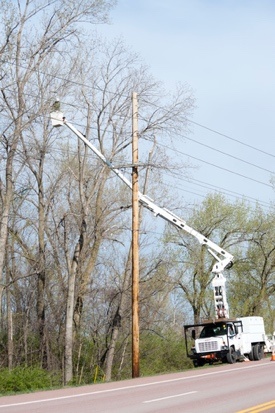 The storm was ferocious. Luckily, your buildings were spared damage from the high winds and heavy rains; however, a few miles away the storm brought down power lines that supply your business with electricity. While there is no physical damage to your property, you’re still out of business without power. Does your
 Workers' compensation insurance
 Look! Up at the sky! It’s a bird! It’s a plane! No, it’s a drone! And it’s coming to a neighborhood near you. The Consumer Electronics Association estimates that consumer drone purchases this year will put 300,000 more recreational drones in the skies. And while many consumers are now eyeing these unmanned, remote-controlled aerial toys as one of their next purchases, they don’t necessarily want their neighbors to buy one. Furthermore, few consider whether their homeowners insurance will cover them for drone-related accidents.
 Today’s businesses are paying greater attention to their employees’ wellness. Some are even taking a more holistic approach in which “wellness” is being supplanted by “well-being.” Whether your business is providing employees with fitness programs, diets, and screenings or adding meditation and massages into the mix, your employees reap tangible benefits…and so do you.
 This answer implies that there is work ahead. There is no standard lump-sum figure or, at the very least, a formula that can be used to arrive at the right amount of life insurance for you. In the past, traditional schools of thought have suggested that seven to ten times a person’s annual salary should be sufficient coverage.